"These guys were very Professional. They had the right equipment and they knew how to use it. They gave us very good advice, and they were reasonably priced. i hope i never need their services again, sewer issues are no fun! But, If I ever do I would definitely call them again. 5 Stars!"
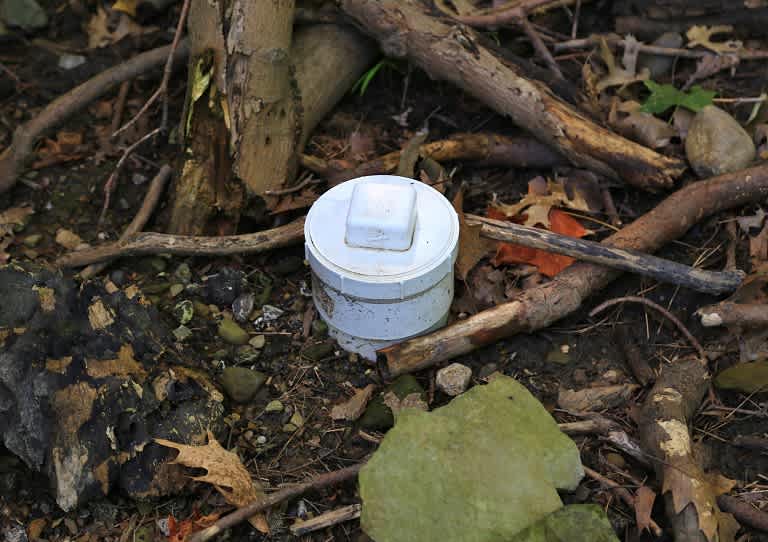
A sewer cleanout typically looks like a white or gray PVC pipe with a removable cap. It's often located either in your yard or basement, depending on your home's plumbing configuration. The cleanout pipe is designed to provide easy access to your sewer system for maintenance and inspections. It may be flush with the ground or slightly elevated, making it distinguishable from other pipes. When you remove the cap, you can access the sewer line directly or determine its direction, which can be helpful when you need to locate your sewer line from your house to the street.
This depends on the location of the blockage. If the blockage is in your home’s system, anywhere in the system, it is your responsibility as a homeowner. Blockages seldom happen because of items or buildup coming from the city, which means it originates in the home. It becomes the city’s responsibility at the exact point your home’s line distributes waste into the city’s system. The exception is if the problem in your home damages the city lines.
No, you should not see water in a sewer cleanout. If you do, it could indicate that you have a block or leak in your main sewer line—which can cause sewage to back up inside your home and potentially flood your yard. Your best bet is to call a local sewer cleaner if you notice any water or sewage around your cleanout.
Yes, sewage smells can originate from a floor drain. If the P-Trap in the floor drain dries out or if there's a clog or other issue in the plumbing system, sewer gasses can escape through the drain, causing nasty odors. Regularly pouring water into the drain helps maintain the water seal and prevent those smells, but if the smell persists, you should have a plumbing professional inspect the drain for potential problems.
Your home has a few telltale signs of a sewer line problem. If you notice multiple plumbing fixtures (toilet, sink, or shower drains) appear to be clogged, call a plumber ASAP. Also, if water appears in the tub or shower when you flush the toilet, you likely have a sewer line issue. A sulfur (rotten eggs) smell and bubbling or gurgling noises at the drain also warrant a check. And keep your eyes peeled for changes to the yard, such as a new indentation or mysteriously soggy grass.
The Armour, SD homeowners’ guide to sewer cleaning services
From average costs to expert advice, get all the answers you need to get your job done.
A clogged main sewer line can lead to gas or wastewater leaks. Find out what main sewer line clog repair costs by type of service, clog severity, and more.
Don't fall victim to unnecessary plumbing service. Learn five ways to avoid becoming the victim of a fraudulent contractor's sewer or drain-cleaning scam.