





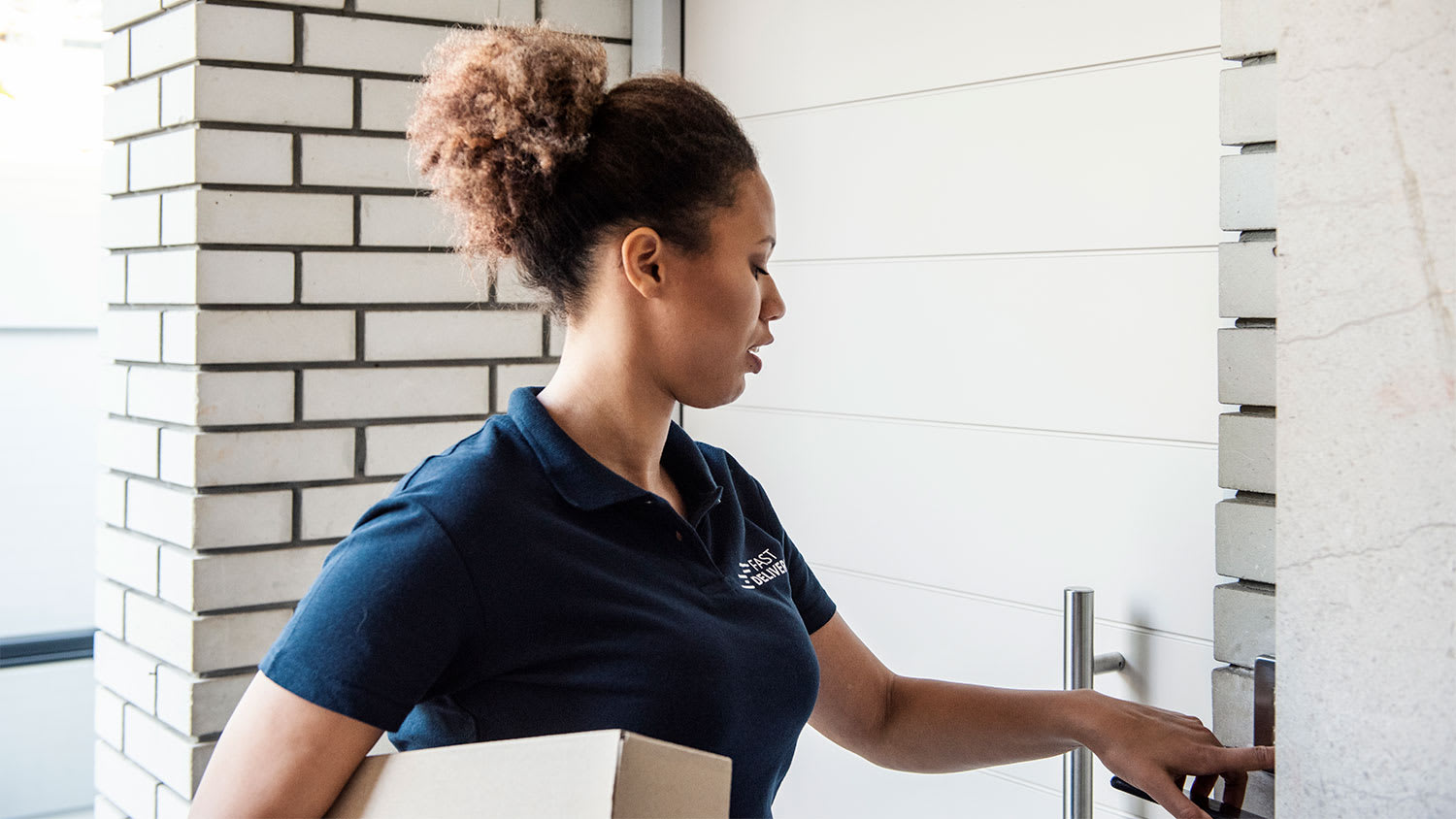
Top-rated doorbell installation pros.

Get matched with top doorbell installation pros in Pelzer, SC

Enter your zip and get matched with up to 5 pros

Need a pro for your doorbell installation project in Pelzer, SC?

Select your specific project to find the pro for you.

TRUSTED BY PELZER, SC HOMEOWNERS

  • Average homeowner rating star icon4.6
    Average homeowner rating
  • Verified reviews icon1.4k+
    Verified doorbell installation services reviews

Find Doorbell installation pros in Pelzer

No results for Doorbell installation pro in

Try adjusting your search criteria.
Doorbell Installation questions, answered by experts

Air duct insulation typically lasts for 10 to 15 years or even longer, depending on the material and maintenance. It's important to conduct periodic inspections to check for signs of deterioration, such as water damage, tears, or general wear. If you find any of these issues, it may be time for repairs or a full replacement. You might also consider upgrading your insulation even if it's in good shape to improve your home's energy efficiency and enhance your HVAC system's performance with newer, more effective materials.

On average, insulating an attic costs about $2,500, with a typical range of $1,500 to $3,500. The final price often depends on the attic's size, with costs generally falling between $1 to $3 per square foot. For example, insulating a 1,800-square-foot attic would likely cost between $1,800 and $5,400.

If the project involves removing old insulation, this can add an average of $900 to the total cost, bringing a full removal and reinsulation project to around $3,000.

Several factors influence the overall cost:

  • Insulation Type: Prices per square foot vary significantly by material.

  • Reflective: $0.50–$1.50

  • Blown-in: $1–$4

  • Batt: $2–$4

  • Loose-fill: $2–$5

  • Spray foam: $2–$5

  • Structural insulated panels (SIPs): $4–$7

  • Project Complexity: Factors like sealing air leaks, poor attic accessibility, and required inspections can add to the cost.

  • Removal Issues: The discovery of mold, asbestos, or pests during the removal of old insulation can substantially increase the price.

Unfaced wall insulation is easier to cut and install, making it the better choice for a DIY project. It’s also more affordable. But if it’s unfaced, you’ll likely need to add a vapor barrier to reach your desired R-value and efficiency, as it doesn’t offer any moisture barrier.

Faced insulation uses paper or foil to create a built-in barrier and doesn’t require an extra step. It’s also more fire-resistant and safe. But it’s quite a bit more expensive and a little bit harder to work with as a DIYer.

Insulation can be easy to install, depending on the condition of your walls, but there are many safety considerations and potential challenges involved. For example, most types of insulation are made from materials that can cause irritation if inhaled or if they come into contact with your skin. Additionally, installing insulation incorrectly can actually make moisture issues in your home worse.

Insulating windows with plastic works, but it can be time-consuming, and the end results can—and often do—end up lacking in aesthetics. Window film and caulking your windows to make sure there are no drafts are two options that increase the energy efficiency of your home in a low-cost way. Plastic can be a good strategy while you consider alternatives.

The Pelzer, SC homeowners’ guide to doorbell installation services

From average costs to expert advice, get all the answers you need to get your job done.