
Top-rated lead testing and removal specialists.

Get matched with top lead testing and removal specialists in Williamstown, PA

Enter your zip and get matched with up to 5 pros

Need a pro for your lead testing and removal project in Williamstown, PA?

Select your specific project to find the pro for you.

Find Lead testing and removal specialists in Williamstown

Avatar for MasterLink, Inc.
MasterLink, Inc.
0.0(
1
)
Toxic Lead - Testing

Serving Williamstown, PA and surrounding areas

In business since 2001

Hi! My name is Brent Yocum and I am a certified inspector in the state of Pennsylvania."What is a certified inspector?" you may ask. A certified inspector meets all the requirements the state of PA has outlined for home inspectors. Some of these are maintaining specified limits for E&O (errors and omissions) and liability insurance, being a member of a nationally recognized Home Inspection association, a written report, participation in 100 or more inspections,etc. To learn more, contact the Attorney Generals office (under the state listing in the red or blue section of your Yellow Pages) and request a copy of Act 114. Or see me at the Better Business Bureau (www.mybbb.org). I can offer you a wide variety of one-stop Home Inspection, real estate (and non-real estate) inspections and Home Environmental testing, including water, asbestos, lead, mold, etc. I will give YOU personalized service and the utmost attention. After all, YOU are my client, and thats how it should be!\n\n Brent

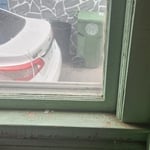
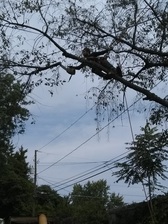
Curling shingles=no air.
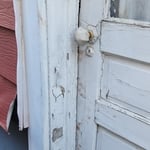
Can you spot 4 problems?
Missing handrail. Ouch!
Cracked main floor beam.
 Termite central/asbestos

+1

Lead Testing and Removal questions, answered by experts

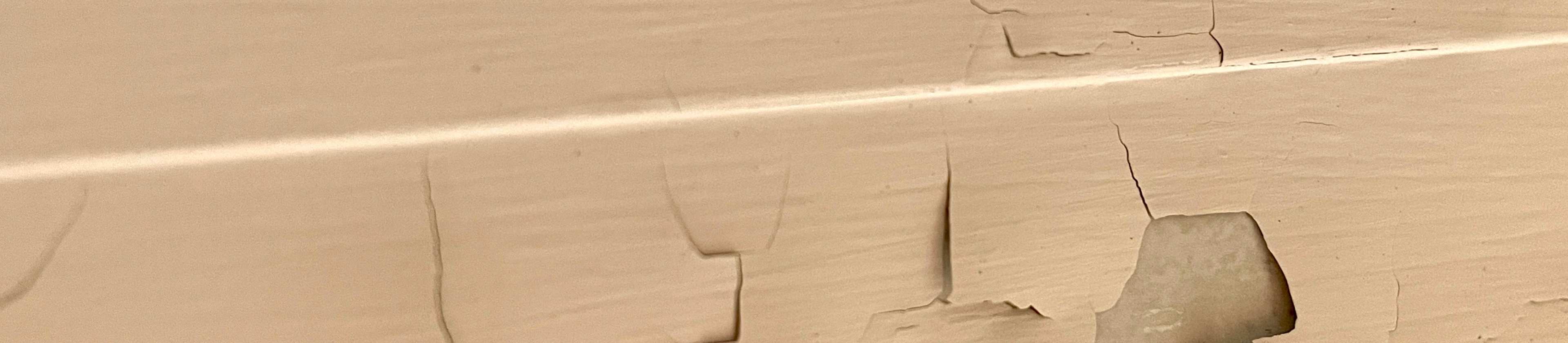
You can paint over lead paint, or “encapsulate” it with a special paint that includes an ingredient called an encapsulant. The EPA approves encapsulation as a lead paint removal method as long as the paint remains undisturbed. Standard types of paint without an “encapsulant” from the big box stores or hardware stores do not meet EPA standards for remediation of lead-based paint.

The average cost of a lead paint inspection is about $600, but it can cost as low as $150 or as much as $800, depending on the size of the area, geographic location, and the inspection methods. Some of the most common lead paint inspection methods include:

  • Visual inspection: $150–$400

  • Paint sampling: $200–$600

  • X-ray fluorescence (XRF): $250–$700

  • Risk assessment: $300–$800

With regular testing, treatment, and maintenance, water from a community well should be safe to drink. Unfortunately, the EPA does not regulate private wells, and contamination can happen. 

If you have doubts about the quality and safety of your drinking water, you have options for testing. You can pick up kits from your local home supply store or harvest samples and send them to a local testing facility. To get the most complete water quality testing and system diagnosis, seek a local well professional. They know what to test for and can recommend and implement a longer-lasting solution.

While not all homes built before 1978 contain lead paint, enough do, so you’ll still want to test to be on the safe side. The federal government banned lead-based paint for homes in 1978, but your state may have banned lead before that time. Around 24% of homes built between 1960 and 1977 contained lead-based paint, while 87% of homes built before 1940 contained lead-based paint.

According to the Environmental Protection Agency (EPA), hazardous waste is generally classified into four main categories:

1. Characteristic Wastes: These exhibit at least one of four hazardous traits: ignitability (flammable, like gasoline), corrosivity (can rust or decompose materials, like car batteries), reactivity (unstable and can explode, like aerosol cans), or toxicity (harmful when ingested, like lead-based paint).

2. Listed Wastes: These are specific wastes from manufacturing and industrial processes that the EPA has officially designated as hazardous. They include byproducts from processes that use solvents, pesticides, and other chemicals.

3. Universal Wastes: These are commonly generated hazardous items that are subject to streamlined regulations. Examples include batteries, pesticides, mercury-containing equipment (e.g., bulbs), and some lamps.

4. Mixed Wastes: This category includes waste that contains both hazardous and radioactive components, making it subject to regulation by both the EPA and the Nuclear Regulatory Commission.

The Williamstown, PA homeowners’ guide to lead testing and removal services

From average costs to expert advice, get all the answers you need to get your job done.