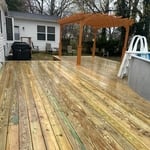
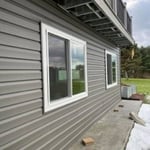
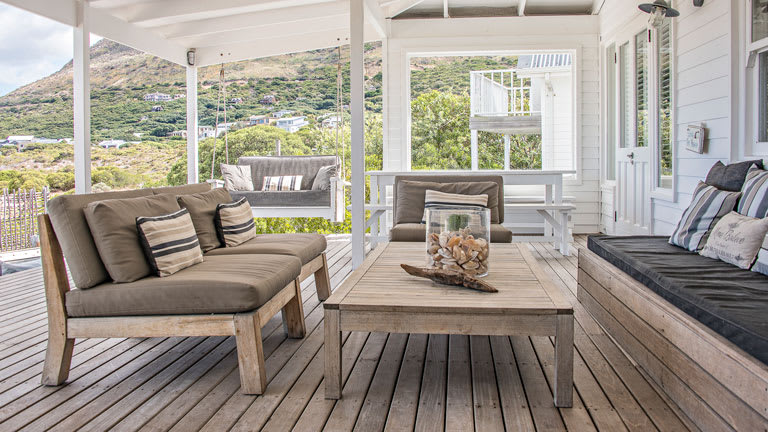
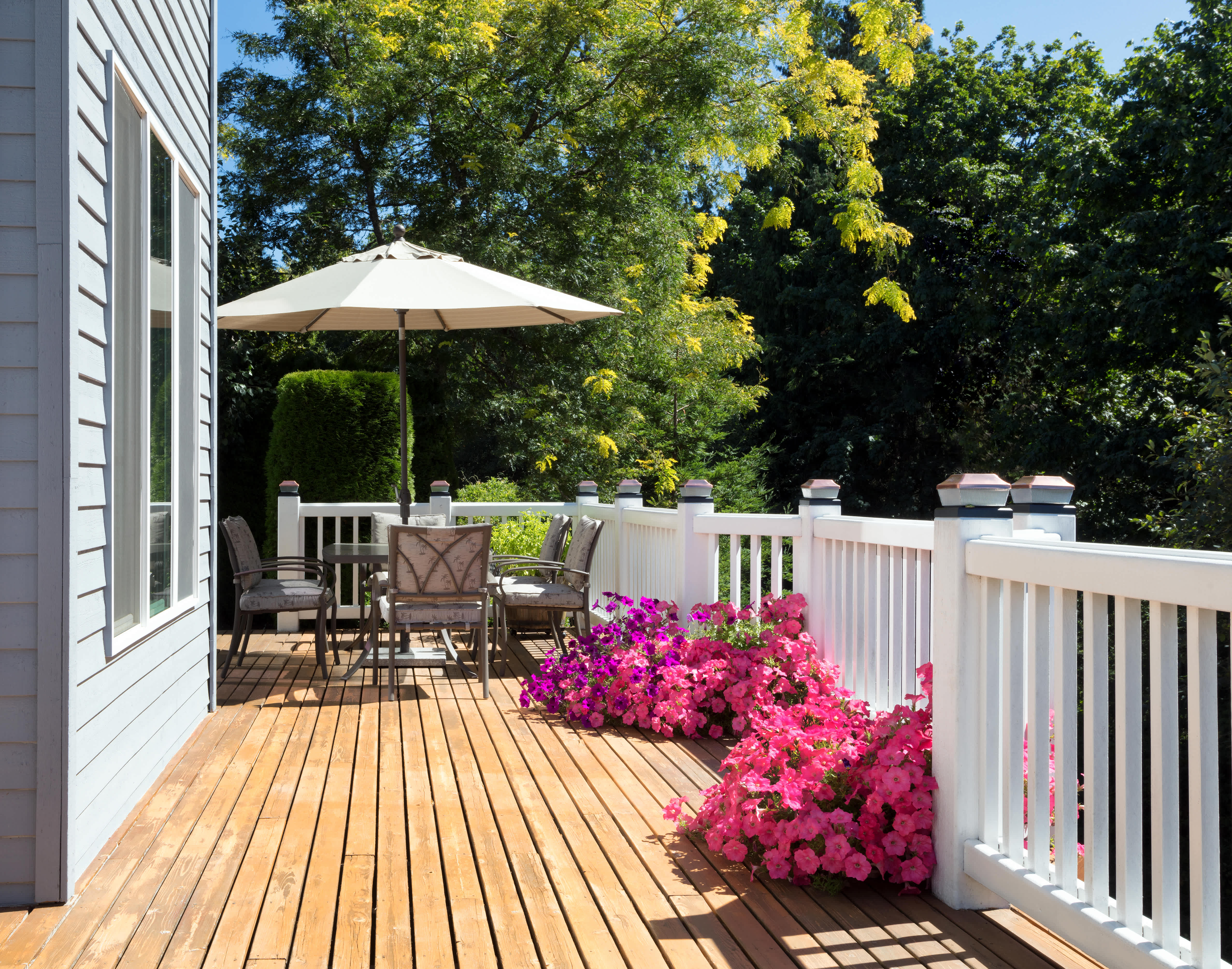
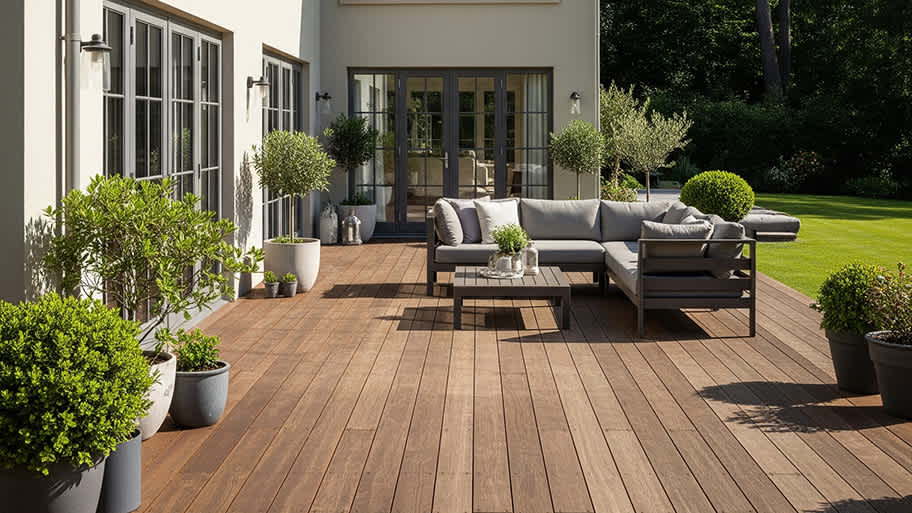
"Scott was very patient and responsive to our specific needs with fixing up our deck. We were on vacation while the work was being done and he still managed to work closely with us! He is extremely knowledgeable and was able to steer us in the right direction for what we wanted done. And the finished product is amazing! It’s like a whole new deck!"
"Tim did a very nice job of fixing parts of the deck where some floor boards were coming lose and adding screws to the flooring for improved stability. Then he completed the job with two coatings. He kept us informed of the progress, worked independently and also cleaned up and replaced deck furniture. Highly recommend!"
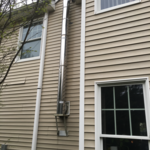
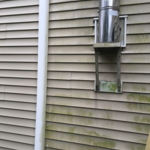
"They really did an exceptional job. The deck rebuild was a complicated job. The deck wasn’t built correctly originally so CM Contracting had to extensively modify the structure. They really did a great job. The deck looks really great, and I think I now have the strongest deck in the Lehigh Valley. The chimney work was a big concern of mine going into the job. The previous owner of the house let the chimney cap rust, and the rust stains ran down the Dryvit. It really looked bad. Chris worked with his paint supplier to get the color to match perfectly. He had Sherwin Williams out to my house on several occasions because Chris wanted it done right. It far exceeded my expectations, and now looks perfect. The caulking and power washing all went well too. I would highly recommend CM Contracting. Chris is very responsive. We would communicate often via phone or txt. His crew is great too. Very polite and friendly."
The best direction for a gate to swing depends on its location and purpose, but swinging inward is the general rule. An inward swing is often considered safer, prevents the gate from opening into public spaces like a sidewalk, and may be required by local building codes.
There are exceptions and specific considerations. If your property is on a slope, an inward swing might not be possible. For a deck gate, it's safest to have it swing away from any steps. In a backyard, the direction can be a matter of preference, though an inward swing can be helpful when carrying heavy items like a wheelbarrow into a garden.
Regardless of direction, ensure the gate can open fully without hitting any objects or blocking spaces. While an inward swing is standard, a gate that can swing both in and out offers the most flexibility if your setup allows for it.
The choice between Trex, a brand of composite decking, and PVC decking depends on your priorities regarding budget, appearance, and environmental impact. Both materials are durable and resistant to moisture and insects. Trex is often considered more eco-friendly because it contains recycled wood and plastic and is 25% recyclable, while PVC is fully synthetic and harder to recycle. Aesthetically, Trex is designed to look more like real wood, whereas PVC often has a glossier, more plastic-like finish. In terms of cost, Trex is typically less expensive than PVC.
Applying too much sealer to a deck might seem like extra protection, but it can cause more harm than good. Wood is a porous material with a limited capacity to absorb liquids. When you go overboard with sealer, the excess can't soak in and instead forms a film on the surface. This leftover layer is prone to peeling, cracking, and trapping moisture, ultimately defeating the purpose of sealing in the first place.
Liquid rubber is great for waterproofing, but it can damage your deck if it’s not applied correctly. First, it can trap moisture in the wood if the deck isn’t completely dry before application. Second, applying it too thickly can create a heavy, rubbery surface layer that peels and cracks under fluctuating temperatures. For the best results, ensure the wood is completely dry before application, and apply the liquid rubber in thin, even coats. A quick inspection every now and then will help you catch any issues early, keeping your deck protected and looking its best.
The life expectancy of deck boards varies widely based on the material, climate, and maintenance. Untreated wood boards typically last 10 to 30 years with proper care, while pressure-treated boards can last up to 50 years. Hardwoods generally outlast softwoods. Composite boards also tend to last longer than natural wood. Environmental factors like arid or humid climates can shorten a deck's lifespan. To extend the life of wood decking, it's important to consistently clean and seal it to protect against moisture, UV light, and insects.
The Emmaus, PA homeowners’ guide to deck maintenance services
From average costs to expert advice, get all the answers you need to get your job done.
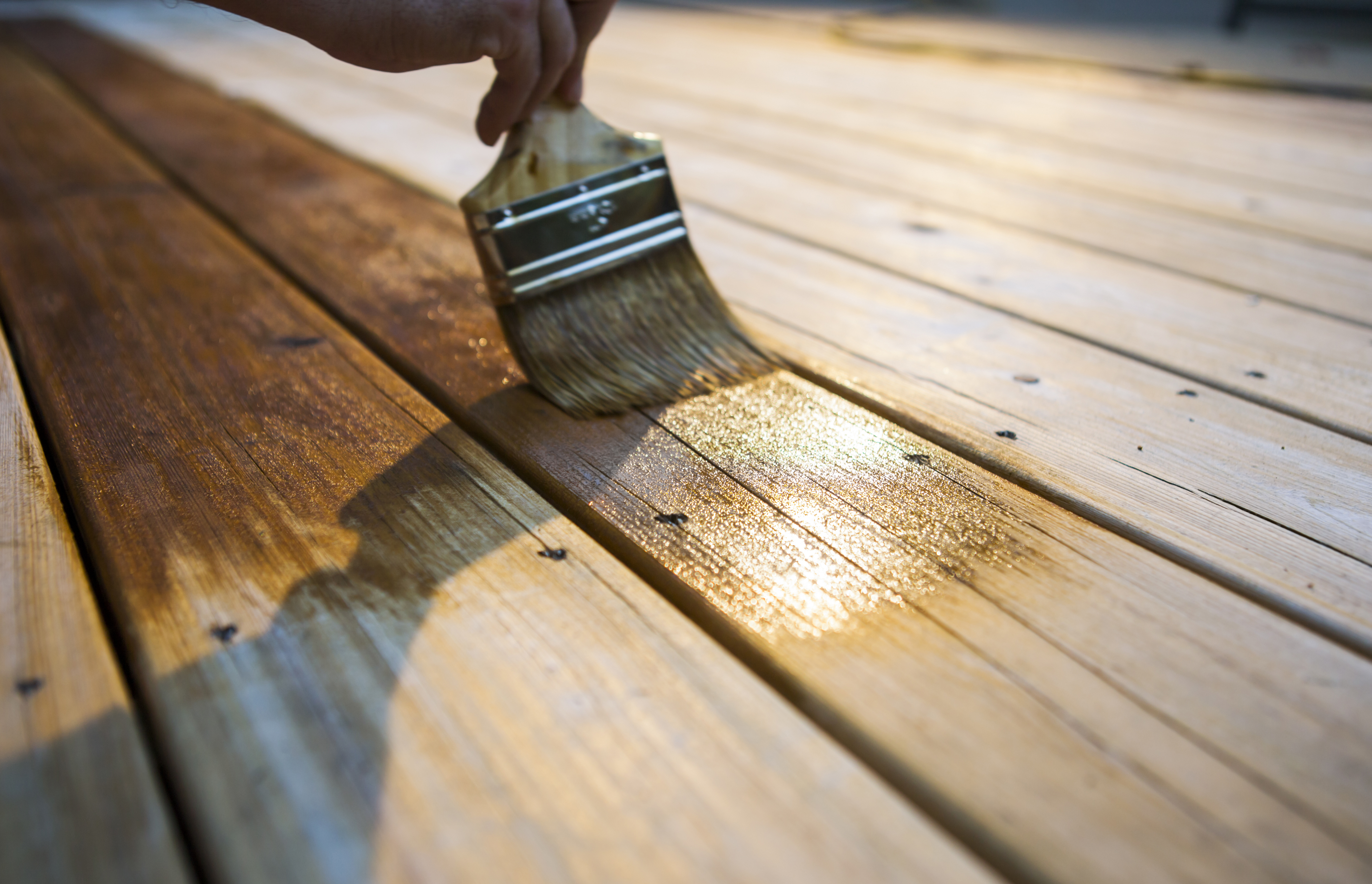
Deck maintenance is vital to protecting a wooden deck. Cleaning, staining and sealing a deck after pressure washing will add years to its lifespan. Protect a deck by following these deck maintenance tips for cedar and other types of wood materials.
Finding maintenance-free decking that works for your home, budget, and lifestyle can be challenging. This guide lists the 7 best low-maintenance deck materials.