
Top-rated sonic cleaning pros.

Best sonic cleaning pros near Burgettstown, PA

Enter your zip and get matched with up to 5 pros

Need a pro for your sonic cleaning project in Burgettstown, PA?

Select your specific project to find the pro for you.

Top-Rated Sonic cleaning pros in Burgettstown - Updated Nov 2026

Avatar for h2oTEKS Ltd.
h2oTEKS Ltd.
4.9(
43
)
Window CleaningWindow Cleaning - For Business

Serving Burgettstown, PA and surrounding areas

Approved

In business since 1997

Free estimates

Emergency services offered

"Twice last year we had them clean our clogged 2nd-story gutter. Each time, the crew they sent showed up on time and did the job quickly and efficiently. Very prompt email Q&As and followup from Jonathan, the owner. We're about to hire them again for our fall gutter cleaning!"
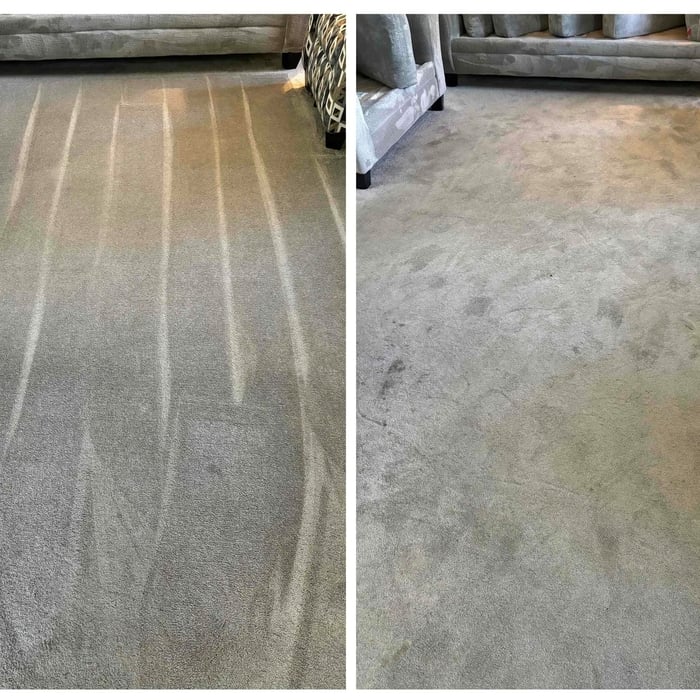
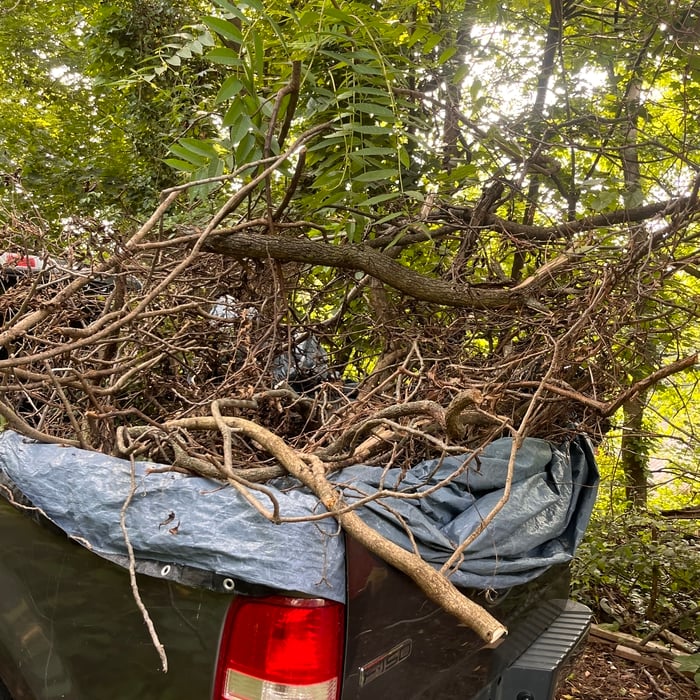
Additional Photos
Additional Photos
Additional Photos
Response time4 days
Response rate100%
12 neighbors recently requested a quote
Avatar for Clark Kleaning Company
Clark Kleaning Company
New to Angi
Air Ducts & Vents - CleanBlinds or Shades - CleanDryer Vents - Clean+3 more

Serving Burgettstown, PA and surrounding areas

Approved

Free estimates

Warranties offered

Small jobs welcome

\n\nJermaine & Eric’s Cleaning Co. is the team that turns “just clean” into seriously spotless. Built on teamwork, trust, and a hustle-first mindset, we deliver top-tier residential and commercial cleaning with consistency you can count on. From everyday tidy-ups to full deep-clean transformations, we bring shine, precision, and professionalism to every space we touch.\n\nThis isn’t just cleaning —\nit’s clarity, comfort, and confidence… delivered by two guys who take real pride in the cleanliness next to godliness

...
Showing 1-10 of 247
Sonic Cleaning FAQs, answered by experts

Inspections should be conducted annually, and minor repairs should be made as needed.

You should avoid using a pressure washer on any surface or item that could be damaged by the high-pressure spray, as some materials are too delicate to withstand the force.

Key items and surfaces to avoid include:

  • Electrical Components: Never pressure wash electrical systems, as water can cause short-circuits and create a safety hazard. This includes utility meters, breaker boxes, electrical outlets, generators, and HVAC or air conditioner units.

  • Delicate and Fragile Materials: Fragile items can crack, shatter, or be stripped by the pressure. Avoid pressure washing windows, glass, light fixtures, shingled roofs (especially asphalt), and stucco.

  • Painted, Stained, or Sealed Surfaces: Unless your goal is to strip the finish, do not pressure wash painted surfaces, stained wood (like decks), or anything with a protective seal that could be stripped away. Be especially cautious with older surfaces that may contain lead paint.

  • Soft Woods and Certain Decking: Delicate surfaces like softwood, composite decking, and antique or wooden patio furniture can be etched or damaged. If you must wash wood, use a lower-powered pressure washer with a wide-angle nozzle to prevent damage.

  • Living Things: Never use a pressure washer on people, pets, or plants. The force can cause serious injury and will destroy landscaping.

An improper DIY roof cleaning could cause leaks by damaging the roofing material. Things like using too much water pressure on the shingles or applying a harsh cleaning solution could cause damage. If you do enough damage, you could harm the ability of the shingles or other roof materials to keep water out of your home.

The easiest way to remove snow from a roof involves using a roof rake that allows you to clear snow from the ground. Roof rakes are lightweight and feature adjustable handles, making them user-friendly for most people. This method also helps prevent ice dams and excess snow buildup, reducing the risk of roof damage during winter months.

When should you remove snow from your roof? A good rule of thumb is once six inches of snow accumulates. 

Both bleach and vinegar are effective at killing and removing moss from surfaces like driveways. Bleach tends to have a longer-lasting effect, potentially keeping moss away for up to a year, whereas vinegar may require more frequent applications. However, vinegar is a non-chemical option that is gentler on the environment. A key consideration is the surface you are treating, as both substances can stain or discolor certain paver materials. It is recommended to test the solution on a small, inconspicuous area first to ensure it doesn't cause damage.

The Burgettstown, PA homeowners’ guide to sonic cleaning services

From average costs to expert advice, get all the answers you need to get your job done.