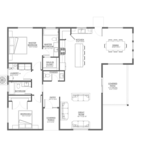
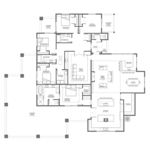
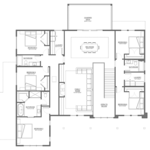
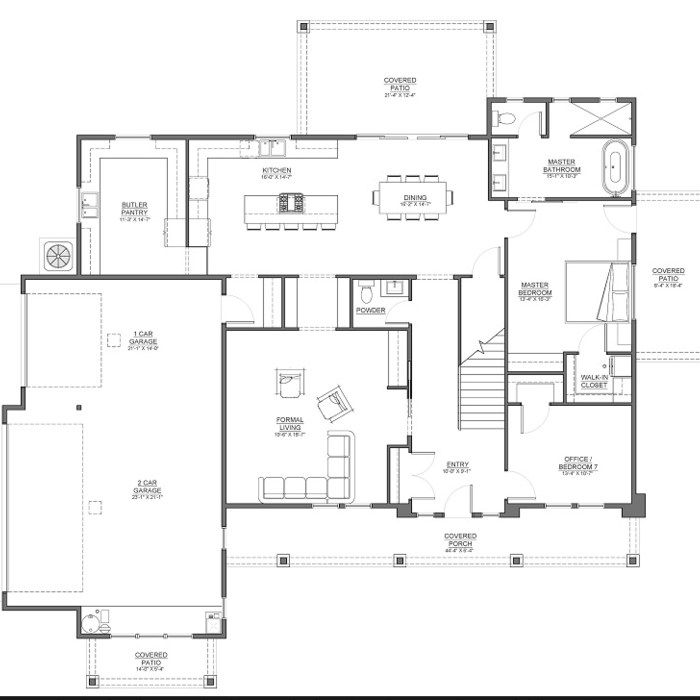
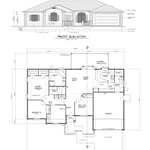
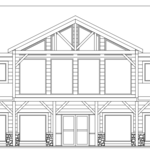
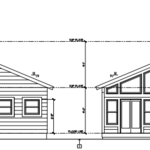
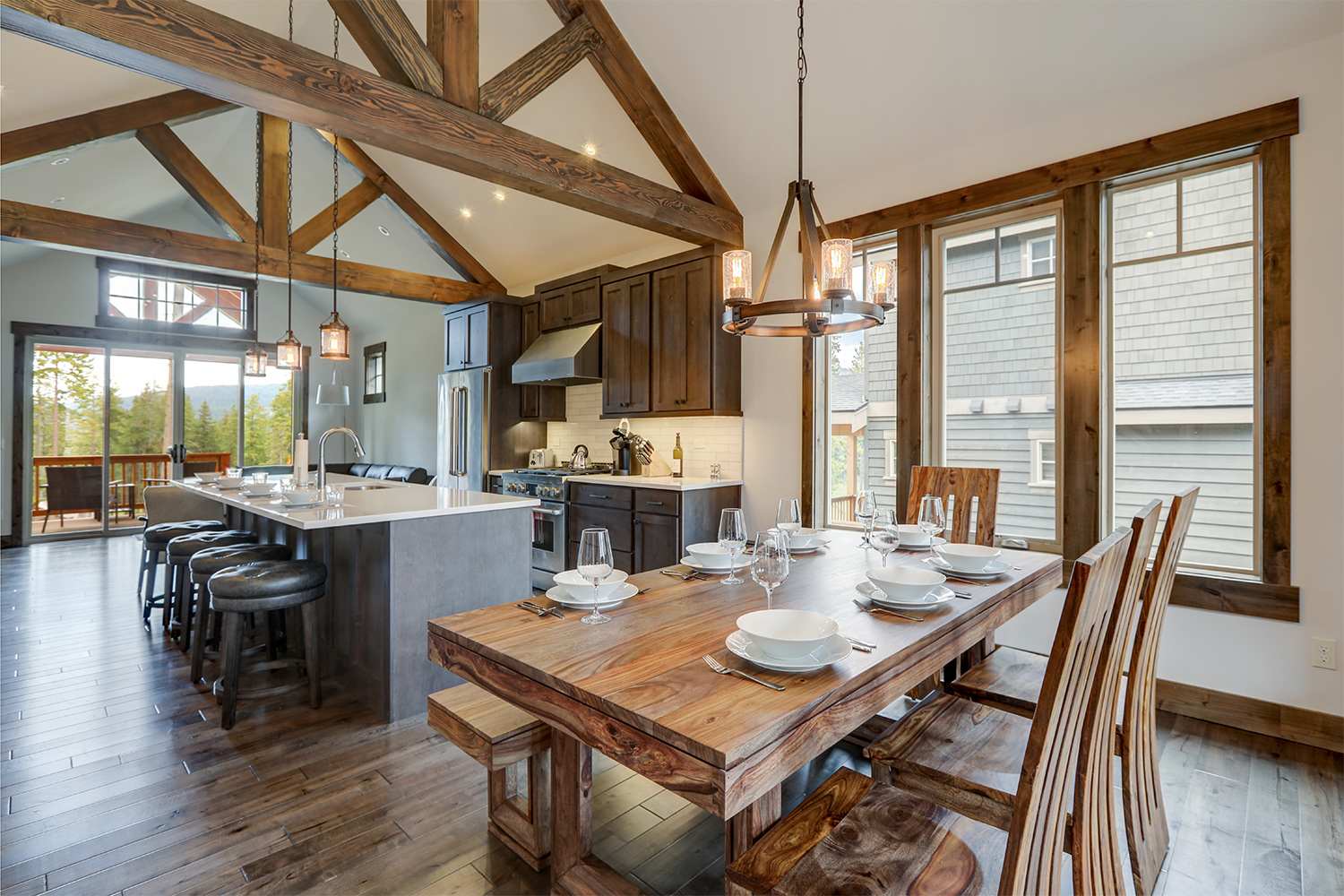
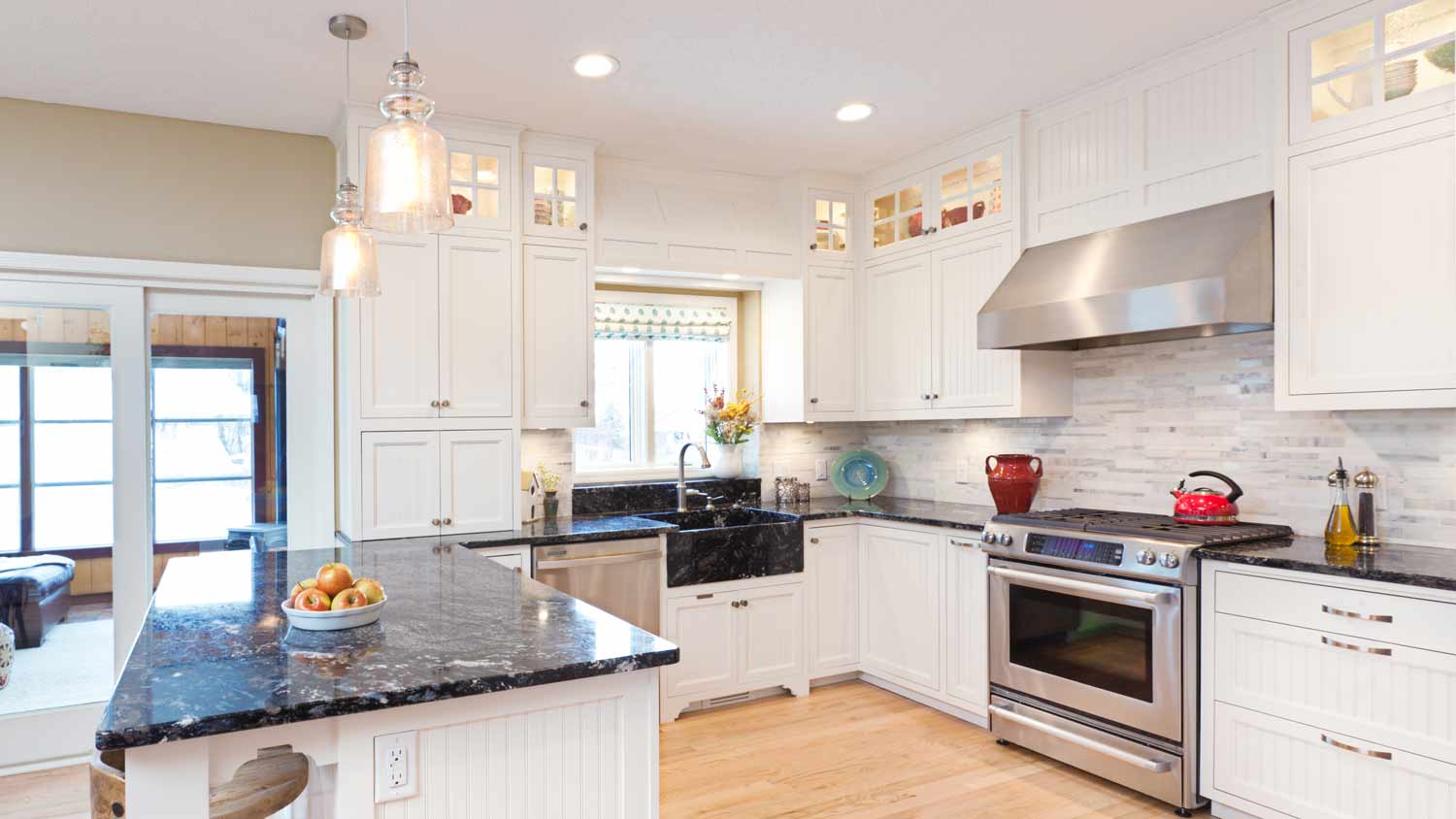
At Outdraft we provide a number of services to make the design and premitting process easy for homeowners and contractors. From provideing simple, cost-effective, custom blueprints for their home projects. To help with code compliance and even taking over the premitt submittal process. We are here to help!!
We have a single mission: Complete Customer Satisfaction! We have consistently focused on the needs of our customers, providing personalized attention and a stress-free experience.\nYou will find us to be competitively priced with close attention to the details.\nOur reputation is based on service, safety, and quality, regardless of how large or small the job.\nWe look forward to building a lasting relationship and guarantee your satisfaction!\n
Terraform Development & Design LLC, delivers expert permit-ready architectural plans and drafting services nationwide. With 8+ years of experience and hundreds of clients across all 50 states, we create code-compliant residential and commercial construction documents that get approved fast and built right.\nFrom site plans, floor plans, elevations, structural & foundation drawings to MEP coordination, full construction sets, 3D renderings, interior design, solar PV layouts, and precise material takeoffs - we handle it all. Fast 4-6 week turnaround, 3 design revisions included, free revisions for city redline changes, transparent pricing (starts at $2,000), and direct partnerships with licensed engineers for stamps in every state.
"I was really under the gun due to a prior Architectural firm not performing their duties per building plan codes. Not only were the plans incomplete but the City Plan Reviewer states(The Worst plans he’s ever seen) they will not make adjustments unless there is an additional charge for Thousands.
Evaluation’s saved my clients and drew our project per code, along with Engineering in less time then they quoted. I highly recommended them, Especially Kirsten. You went above and beyond trying to coordinate this project. The staff was very professional and I will use them on all my projects.
Sincerely,
Frank B
BCM Builders"
MS Drafter is an experienced drafting service firm located in Orofino, Idaho. With over 20 years of experience, there is no residential drafting or design task they cannot handle. Please call directly for a free quote!
Precision Structural Engineering, Inc., specializes in structural design, code checks and peer review. No project is too big or too small. We are competitive, committed, and above all else, we care. Give us a call today!
Structural Engineering questions, answered by experts
In framing, studs are placed at 16-inch intervals to coincide with the typical spacing of wall materials such as drywall or plywood. This spacing is called "on-center" and is necessary for maintaining structural stability and efficient use of materials. The 16-inch spacing also helps to distribute the weight evenly across the building's structure. For those looking to cut material costs and improve energy efficiency, 24-inch stud spacing can be employed through a method called "advanced framing". This requires careful planning and adherence to local building codes to ensure structural integrity.
Water can seep into porous materials like wood beams, floor joists, and roof rafters within minutes, but they’ll need to see prolonged exposure before you have structural damage. Mold can start growing within 24 hours, and mold can eat away at the structural components over time. Wood rot is more of a concern, though. Wet and dry rot are fungal infections that set in in moist conditions and rapidly deteriorate wood, causing major structural damage within just a few months in some cases.
No, beams are the primary load-bearers for flooring or roofing systems, and they distribute the weight of the structure to your foundational supports, while joists bear far less weight and distribute their loads to the beams. Beams are usually thicker and longer, and they have support posts or foundation walls beneath them for support.
Most structural engineers offer free quotes, regardless of the size of the job. For simple inspections when buying or selling a home, engineers typically charge a flat fee that may be based solely on your home’s foundation type and square footage. For larger projects, like new construction and major home renovations, an engineer will either perform an analysis of your project and site and provide you with a formal estimate, or they will do a more in-depth assessment and in-person site inspection before coming up with a per-hour or per-project cost estimate. In most cases, the estimate is free.
Structural engineers are necessary for projects involving alterations to load-bearing structures, foundation work, and compliance with safety standards. This includes home expansions, retaining walls, and significant repairs that impact a property's integrity.
The Enterprise, OR homeowners’ guide to structural engineering services
From average costs to expert advice, get all the answers you need to get your job done.
The cost of a structural engineer is easily justifiable given the value they bring to the table. Use this guide to see what hiring your professional will total.
Spotting deep foundation cracks or sagging floors? Learn about structural engineering costs, serious warning signs, and how to hire the right local pro.
It can be hard to choose the right pro for any job, but it matters. Learn how to hire a structural engineer who'll get the job done right from start to finish.