





Top-rated landscapers.

Get matched with top landscapers in Greenfield, OH

Enter your zip and get matched with up to 5 pros

Need a pro for your landscaping project in Greenfield, OH?

Select your specific project to find the pro for you.

TRUSTED BY GREENFIELD, OH HOMEOWNERS

  • Average homeowner rating star icon4.6
    Average homeowner rating
  • Verified reviews icon20
    Verified landscaping services reviews

Find Landscapers in Greenfield

Avatar for Hastings And Sons, LLC
Hastings And Sons, LLC
3.9(
118
)
Retaining Wall - Install

Serving Greenfield, OH and surrounding areas

Approved

In business since 2008

Free estimates

Credit card accepted

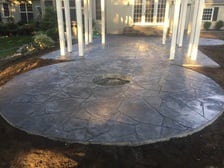
"Very pleased with the project. Scott and his crew were outstanding, quality timely installation. The patio was installed in the back of our yard and equipment and materials had to go over front lawn and there was virually no damage to the lawn. Exceeded expectations."
Response time6 hrs
Response rate90%
3 neighbors recently requested a quote
...
Showing 1-10 of 213
Landscaping questions, answered by experts

Most experts recommend a quarter-inch layer of compost for best results, and you will need about .77 cubic yards of material per 1,000 square feet. To measure how much compost to use, take the square footage of your yard and multiply it by .77, then divide that number by 1,000.

Yes, it is possible to add too little mulch. Anything less than 1 inch will likely result in too little coverage around your plants, allowing weeds to grow through and minimizing the positive effects that a deeper bed of mulch would have, like maintaining proper soil moisture and insulating the ground.

Yes, you can put topsoil over sand to encourage grass growth. The topsoil will help to improve water retention and promote grass roots’ development, making it a recommended step of the seeding process. Adding a layer of topsoil will provide additional nutrients to the sandy soil, helping the grass grow and remain healthy through many seasons.

While you can leave roots in the ground, if you don’t want the shrub to regrow again over time, it’s best not to leave any roots behind. Ensure you remove as much of the shrub as possible, including the root ball and any main roots you can see, to prevent new growth. Some gardeners opt for using a chemical treatment to prevent the stump from growing back, but this can kill beneficial microorganisms living in your soil.

Grass is the most popular and safest option for planting over a septic drain field, but you can also plant small flowering plants and other lightweight plants that don’t have woody or deep roots. Avoid trees and bushes within 10 feet of the field, as the woody roots can crack the perforated pipes. You should also avoid planting vegetable or fruit gardens over your drain field, as a leak from the pipes could contaminate the soil and put anyone who eats the produce at risk.

The Greenfield, OH homeowners’ guide to landscaping services

From average costs to expert advice, get all the answers you need to get your job done.