


Wiznik Welding is committed to excellence in every aspect of our business. We uphold a standard of integrity bound by fairness, honesty and personal responsibility. Our distinction is the quality of service we bring to our customers. Accurate knowledge of our trade combined with ability is what makes us true professionals. Above all, we are watchful of our customers interests, and make their concerns the basis of our business.
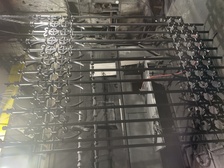
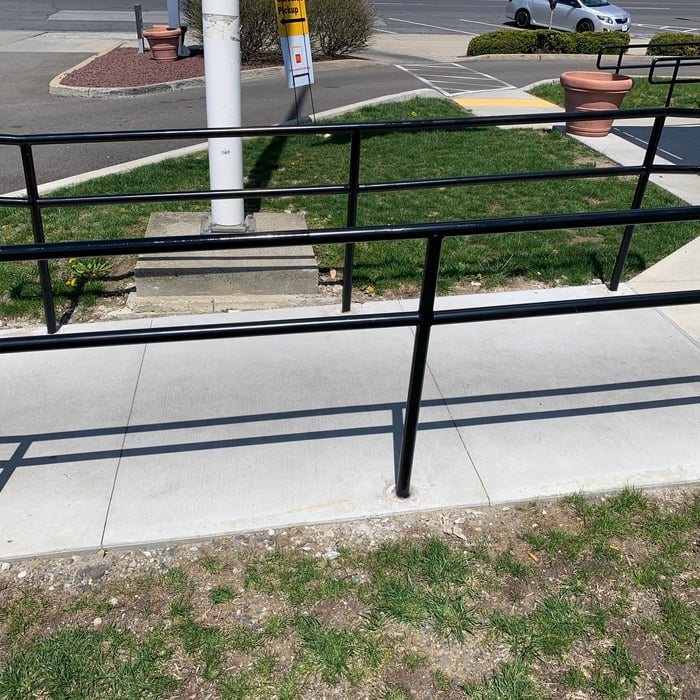
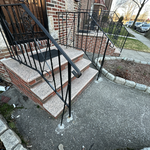
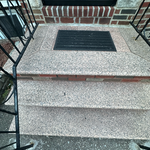
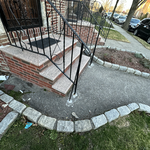
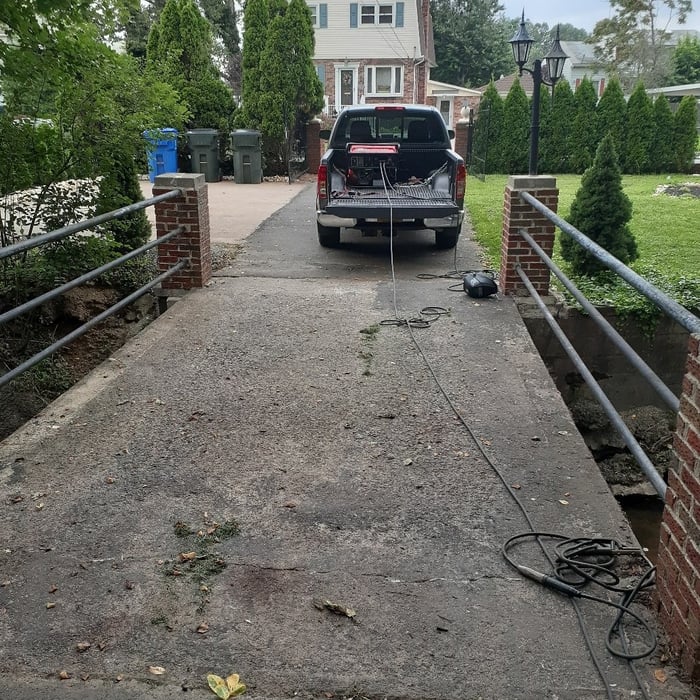
"Garreth is a true Professional. The handrail was completed and installed within the timeframe discussed. The handrail was well made and is extremely sturdy as well as attractive! I would not hesitate to recommend Garreth for any type of welding work needed. His completed work is Excellent!"
"Tim did an excellent job of replacing main beams in living room and bedroom. Tim and his team did an excellent job of moving all my belongings so they could do the work. The work they did I could never have done as neatly myself. Along the way Tim kept me informed as to what was happening in words I could
understand. He also connected me with painters etc who could help finish the job. It is almost impossible to see the areas Tim worked on, the finishing work was so meticulous. I would highly recommend Tim And Diggs Building Technologies for any structural work . He deserves 5 stars."
Cutting rectangular ductwork requires careful measurements and the right technique. Use a measuring tape and pencil to mark the cutting lines accurately. Tin snips are excellent for straight cuts on smaller ducts. For more extensive or thicker rectangular ducts, a reciprocating saw with a metal-cutting blade is effective.
Ensure the duct is well-supported and secure while cutting to prevent wobbling and maintain precision. After cutting, use a metal file to smooth any sharp edges, ensuring safety during installation.
This all depends on the tools you have on hand and whether you’re trying to cut a straight line or shapes.
The best tool to use for straight lines is either a circular saw or table saw. When cutting shapes, a jigsaw will be the easiest and most precise tool to use.
Yes, but you’ll need reliable steel-cutting tools and safety gear to get started. Shipping containers are typically around ¾ inch thick, so it’s entirely possible to cut through them, but experience and the right equipment are very important. When possible, try to get a container as close to the size you want it as possible.
Choosing the right metal fabricator for your project begins with research. Find a reputable fabrication company by searching for reputable contractors in your area, and then reviewing photos of their previous work, customer reviews, and photos of the company’s workshop.
Once you’ve narrowed down the list, contact the companies to ask about the types of metal fabrication projects they specialize and inquire about guarantees and warranties on workmanship. You should also ensure the company uses high-quality material, and ask about the schedule and turnaround time for your proposed project.
Cutting round ductwork requires precision and the right tools. A duct cutter, specifically designed for circular ducts, is ideal. First, mark the cutting line on the duct using a measuring tape and pencil. Then, position the duct cutter's blade on the marked line. Apply steady pressure, rotating the cutter around the duct. The sharp blade creates a clean, precise cut. Alternatively, a reciprocating saw with a metal-cutting blade can be used for larger round ducts. Ensure the duct is securely held in place while making the cut to prevent slips and maintain accuracy.
The Yorktown, NY homeowners’ guide to welding services
From average costs to expert advice, get all the answers you need to get your job done.
When you need help with a metal project and don’t have the expertise or the time, call an expert welder for your project. Here’s how to vet and hire a welder.