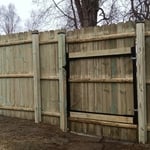
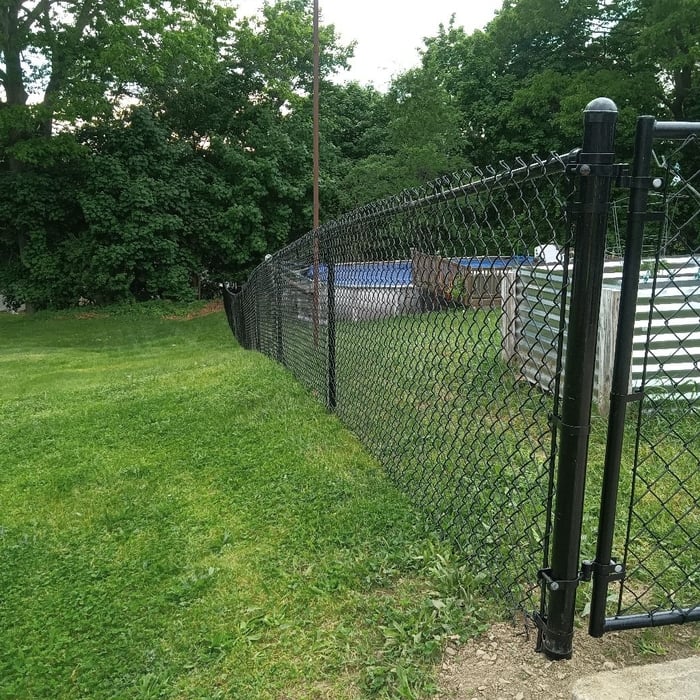
"Randy of Salvation Welding/Fencing was timely, thorough, and performed the fence repair within his written estimate. I highly recommend him for chain link fence repair."
Begin Welding Service's is committed to excellence in every aspect of our business. We uphold a standard of integrity bound by fairness, honesty, and personal responsibility. Our distinction is the quality of service we bring to our customers. Accurate knowledge of our trade combined with ability is what makes us true professionals. Above all, we are watchful of our customers' interests, and make their concerns the basis of our business.
The Welding Guys is committed to excellence in every aspect of our business. We uphold a standard of integrity bound by fairness, honesty, and personal responsibility. Our distinction is the quality of service we bring to our customers. Accurate knowledge of our trade combined with ability is what makes us true professionals. Above all, we are watchful of our customers' interests and make their concerns the basis of our business.
To maintain custom or fabricated metal structures and extend their lifespan and appearance, perform regular cleaning, apply rust prevention treatments, and use protective coatings.
Sawing your hot tub into more manageable chunks so it can be lifted easily into a truck takes several hours. Generally, 2.5 hours for smaller hot tubs and around 4 hours for larger ones with the help of one to two people. If money isn't a concern and you want to skip the physical labor, you can hire a pro to get the job done.
The cost to weld aluminum averages about $14 to $22 per pound. The type of metal factors into the overall cost of any welding project due to the cost of the materials and the expertise required to work with it.
Some of the most common metals used by welders include:
Magnesium alloy: $7–$16 per pound
Low-carbon steel: $11–$12 per pound
Stainless steel: $13–$15 per pound
Copper/brass: $24–$29 per pound
Cast iron: $38–$79 per pound
Titanium: $60–$85 per pound
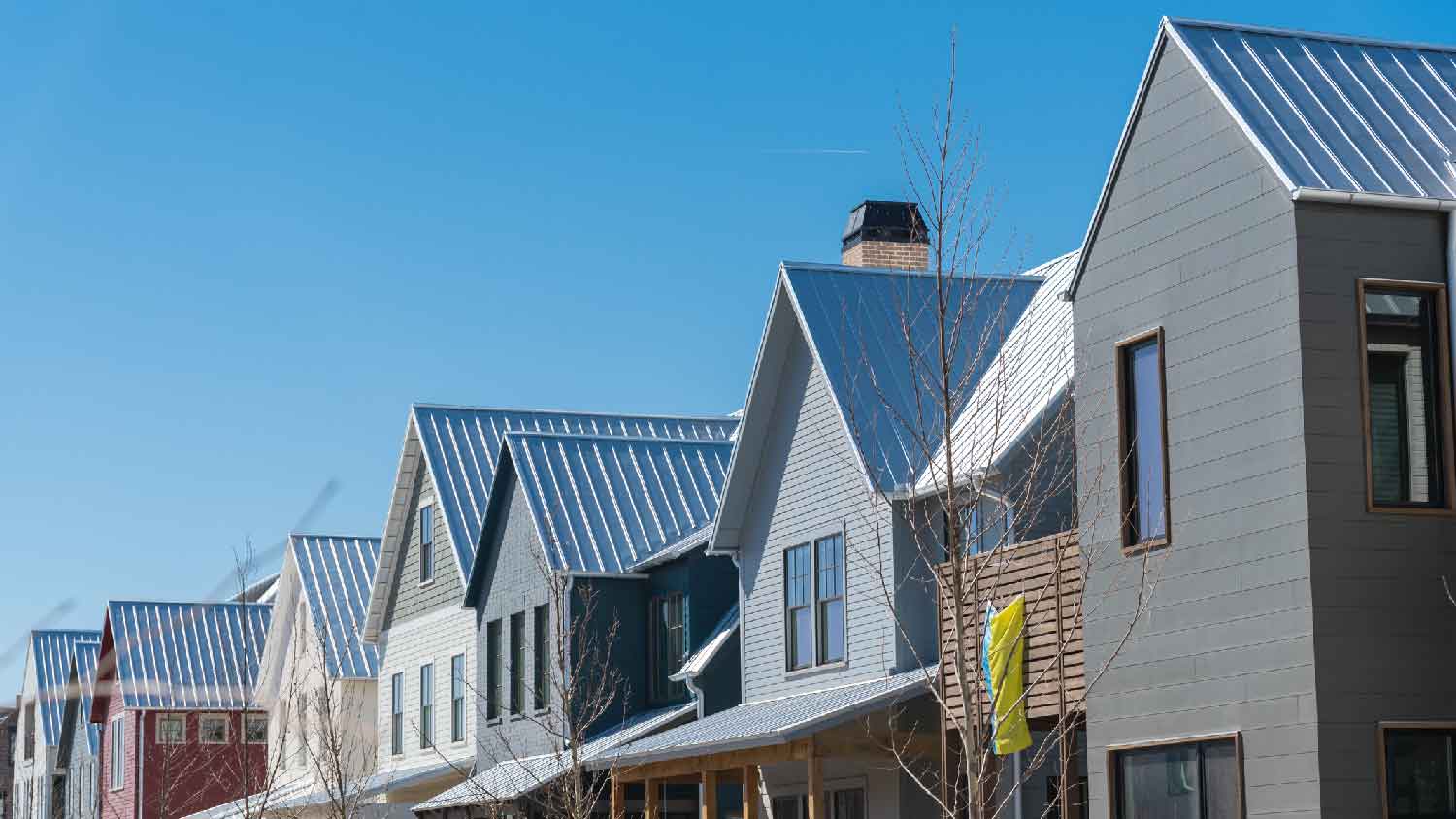
While a high-speed circular saw will cut through metal, and even cut through multiple sheets at once, the fast-spinning saw blades create a lot of heat. This heat can damage paint and other protective coatings, leading to serious problems like rust over time. The cost to paint a metal roof again to avoid this damage is typically an additional $0.50 to $1 per square foot.
Professional metal fabricators typically charge around $70 per hour, but the total cost of your project will depend on several factors. The largest cost drivers are the size, complexity, and design of the project, as well as the price and type of metal used. A good way to estimate the total cost is to multiply the cost of raw materials by four; typically, one-quarter of the total goes toward materials and three-quarters toward labor. Your geographic location can also influence costs, as labor and material prices vary by region.
The Stillwater, NY homeowners’ guide to welding services
From average costs to expert advice, get all the answers you need to get your job done.
When you need help with a metal project and don’t have the expertise or the time, call an expert welder for your project. Here’s how to vet and hire a welder.