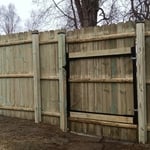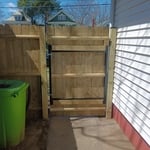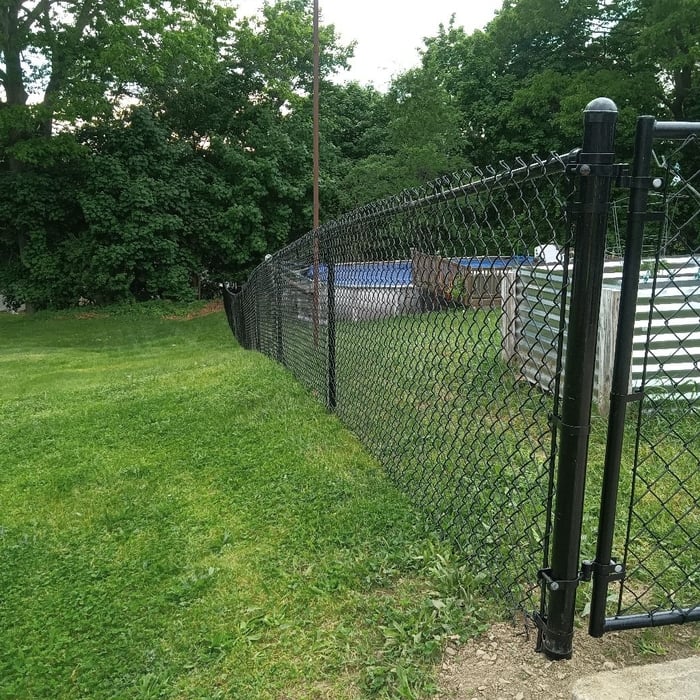






Top-rated welders.

Get matched with top welders in Nassau, NY

Enter your zip and get matched with up to 5 pros

Need a pro for your welding project in Nassau, NY?

Select your specific project to find the pro for you.

Find Welders in Nassau

Avatar for Salvation Welding/Fencing
Salvation Welding/Fencing
5.0(
63
)
Wrought Iron Fence - Repair or Weld

Serving Nassau, NY and surrounding areas

Approved

Super Service Award Winner

In business since 2012

Free estimates

Emergency services offered

"Randy was a pleasure to do business with. His estimate was fair and his work was impeccable. He showed professionalism and was at the jobsite on the day and time agreed upon. I highly recommend Salvation Welding."
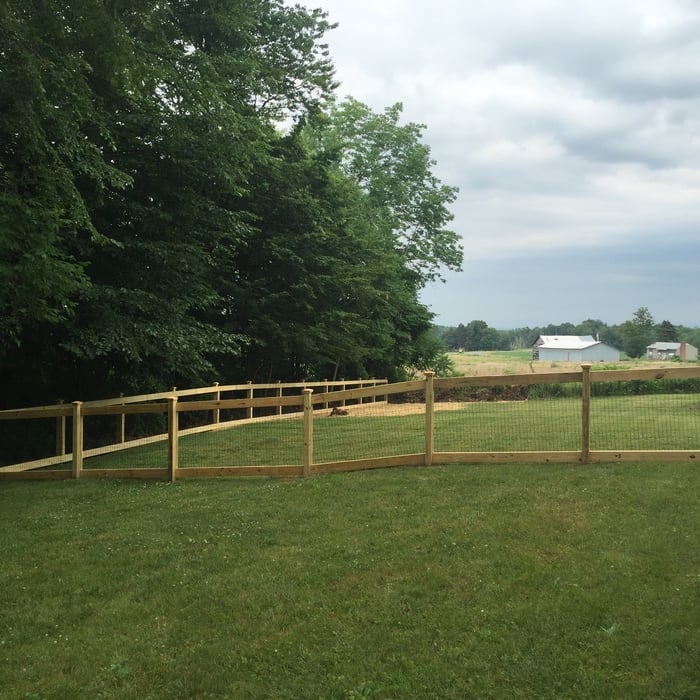
Animal Fencing Project
Fencing Project
Animal Fencing Project

+364

Response time6 days
1 neighbors recently requested a quote
Recommended by78%of homeowners
Showing 1-10 of 38
Welding questions, answered by experts

The cost to weld aluminum averages about $14 to $22 per pound. The type of metal factors into the overall cost of any welding project due to the cost of the materials and the expertise required to work with it. Some of the most common metals used by welders include:

  • Magnesium alloy: $7–$16 per pound

  • Low-carbon steel: $11–$12 per pound

  • Stainless steel: $13–$15 per pound

  • Copper/brass: $24–$29 per pound

  • Cast iron: $38–$79 per pound

  • Titanium: $60–$85 per pound

Welders use a variety of methods in their trade. Different types of welding are better suited for different purposes and contexts. For example, stick welding is a versatile form suitable for most metals and alloys. The most common types of welding include:

  • Stick welding: $100–$1,000

  • Metal Inert Gas (MIG) welding: $250 and up

  • Tungsten Inert Gas (TIG) welding: $250 and up

  • Gas welding: $150 and up

  • Forge welding: $15–$25 per hour

Professional metal fabricators typically charge around $70 per hour, but the total cost of your project will depend on several factors. The largest cost drivers are the size, complexity, and design of the project, as well as the price and type of metal used. A good way to estimate the total cost is to multiply the cost of raw materials by four; typically, one-quarter of the total goes toward materials and three-quarters toward labor. Your geographic location can also influence costs, as labor and material prices vary by region.

This all depends on the tools you have on hand and whether you’re trying to cut a straight line or shapes. 

The best tool to use for straight lines is either a circular saw or table saw. When cutting shapes, a jigsaw will be the easiest and most precise tool to use. 

Yes, but you’ll need reliable steel-cutting tools and safety gear to get started. Shipping containers are typically around ¾ inch thick, so it’s entirely possible to cut through them, but experience and the right equipment are very important. When possible, try to get a container as close to the size you want it as possible.

The Nassau, NY homeowners’ guide to welding services

From average costs to expert advice, get all the answers you need to get your job done.