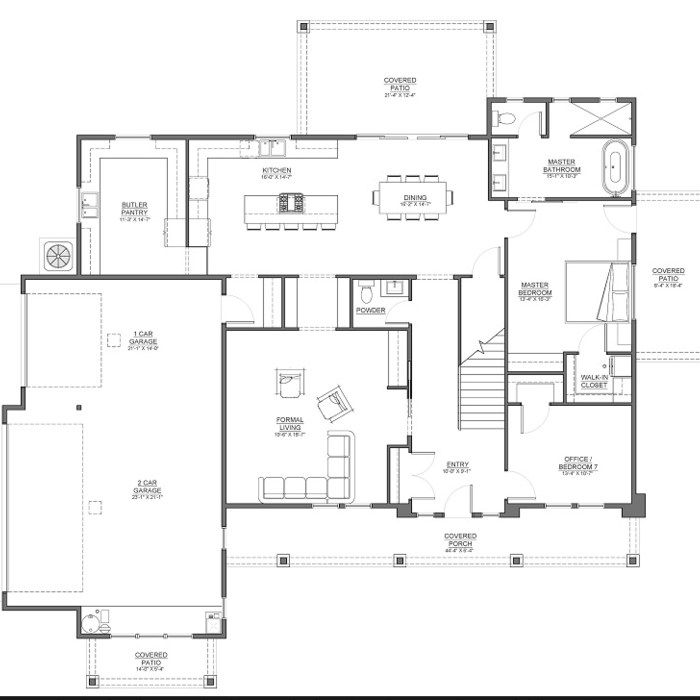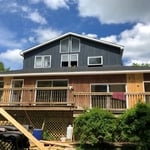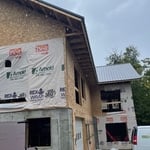







Top-rated structural engineers.

Get matched with top structural engineers in Malone, NY

Enter your zip and get matched with up to 5 pros

Need a pro for your structural engineering project in Malone, NY?

Select your specific project to find the pro for you.

Find Structural engineers in Malone

Structural Engineering questions, answered by experts

No, it’s not legal for unlicensed individuals to conduct structural calculations for buildings or building repairs. Not only do licensing requirements prevent DIYers from tackling this project, but mistakes can also be extremely dangerous and put your property and anyone inside or near it at risk of severe injury or even death. You should always hire a licensed and certified local structural engineer to make structural calculations.

The primary reason homes have crawl spaces is so the foundation can reach down below the frost line to avoid dangerous soil movement and structural damage when the ground freezes. They’re more popular in colder climates where the ground freezes down to a few feet, and slabs are most popular in warmer areas where there is no frost line. Crawl spaces also provide a space for utility lines to run where they’re at less of a risk of freezing.

Yes, you can put a doorway in a structural wall; in fact, most exterior doors are set into structural walls. The project is a little more challenging than installing a door in a non-load-bearing wall because you need a structural engineer to assess the wall and make sure it’s safe to create a wall opening. Your engineer’s report will include instructions for your contractor on how and where to install additional supports, like steel headers above the door, to distribute the weight above to the wall on either side of the door.

A freestanding brick wall that's only one brick thick can usually stand six to eight feet high. If you need a higher wall, it should be at least two bricks thick for adequate stability, and it might require a footing to support the added weight. Additionally, some areas have regulations and codes dictating how high a brick wall can be, so check with local code enforcers to ensure your proposed wall complies with any regulations.

Failure to compact the soil during construction is the most common cause of leaning retaining walls. In addition, poor drainage can lead to excessive water pressure behind a retaining wall, pushing against it until it begins to move forward away from the soil it is holding back.

The Malone, NY homeowners’ guide to structural engineering services

From average costs to expert advice, get all the answers you need to get your job done.

What do you need done? We’ll find top pros.
  • 🌱 "Mow a small front yard"
  • 🛠 "Fix a leaking pipe under the sink"
  • 🏠 "Repair shingles on an asphalt roof"