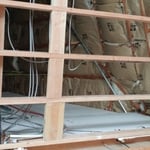
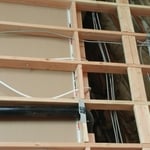
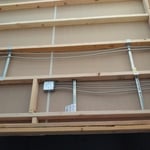
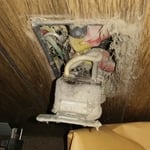
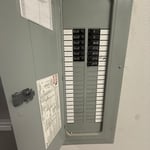
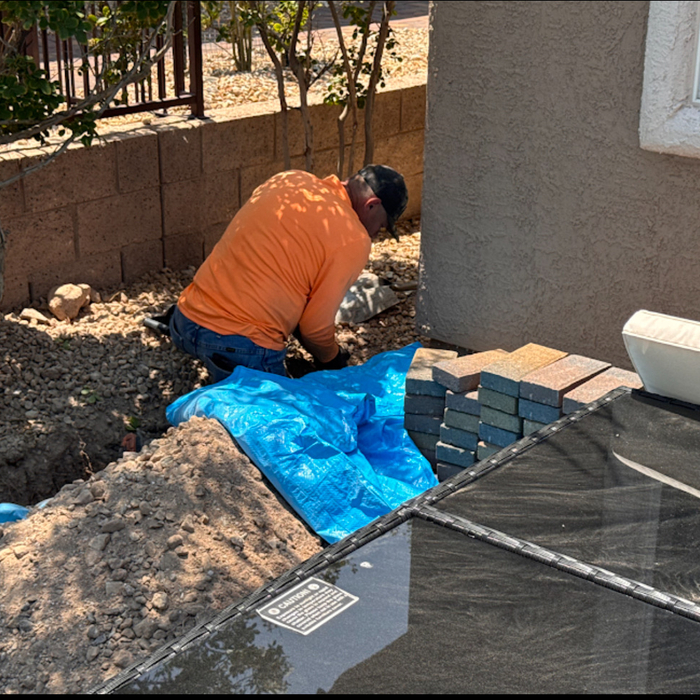
"A?Team Electricians were fantastic from start to finish. They clearly knew what they were doing and completed our panel upgrade efficiently and cleanly over the course of a few days. Communication was prompt, the team was respectful, and they left the space spotless. Everything passed inspection with no issues. I would definitely recommend them to anyone needing reliable electrical work in Las Vegas."
I’m a highly motivated and educated young woman. I have goals I want to reach. I have things I’m striving for. I have a quality contractor. He is trustworthy and does quality work. He’s very talented with tools. We work together as a team to build this business. Our goal is to have happy customers who love our work.
It’s usually better to repair your generator if it isn’t working properly, as it will typically be much more affordable and should yield similar results. Generator repairs cost around $300 on average, while installing a new whole-house generator costs around $5,000 on average. The only exception is if you know your generator is reaching the end of its useful life, usually between 30 and 40 years. If you have an older generator, you could face multiple repairs in the coming years, which might mean that a full replacement will be more cost-effective over time.
You may need a permit for a portable generator if you’ll be installing a transfer switch for your primary residence or similar work. Otherwise, a permit for other uses may not be necessary. Check your local building codes or ask a local generator installer for more information about your local regulations.
As a safety measure, you should always turn off the main breaker while operating your generator’s backup breaker. In addition, you should also switch off all appliance breakers so you don't have a power surge when the main breaker turns back on. And finally, turning off the main breaker prevents back-feeding, which endangers utility workers with the risk of electrocution. Back-feeding could also destroy the electrical circuits of your neighbors if they use the same power network.
Yes, in most municipalities, you will need a permit to install a permanent home generator, including emergency backup, partial-home, and whole-home models. Because these installations involve significant alterations to your home's electrical system and produce exhaust fumes, local governments often require a permit or inspection for safety purposes. A generator permit typically costs between $50 and $250, depending on your location. Your electrician or certified installer can usually handle the permitting process for you, but you will be responsible for the cost. It's a good practice to confirm with your installer that they will pull all necessary permits before work begins.
You can expect a diesel generator to last for up to 30,000 hours of use, which works out to 20 to 25 years with the proper maintenance, of course. That depends on how much you use it, so a diesel generator used for emergencies a couple of times a year will last a lot longer than a generator that takes over for a faulty electrical grid every month for a day or two.
The Beatty, NV homeowners’ guide to generator installs
From average costs to expert advice, get all the answers you need to get your job done.
Natural gas generators are whole-home standby generators that are connected to your home’s natural gas line. The average cost for a natural gas generator is $12,000.
Generators should give you peace of mind, but you’ll only get that if your installer knows what they’re doing. Learn how to hire a pro and what red flags to look for.
Thinking about a generator installation? Learn about backup power options, costs to expect, and how to hire the right local pro to keep your home running.