"I only use James when I need some work done to my house. He responds fast, gets the work done quicker than just about anyone else I've ever used and seems very concerned with leaving his customers happy."
Basement Waterproofing questions, answered by experts
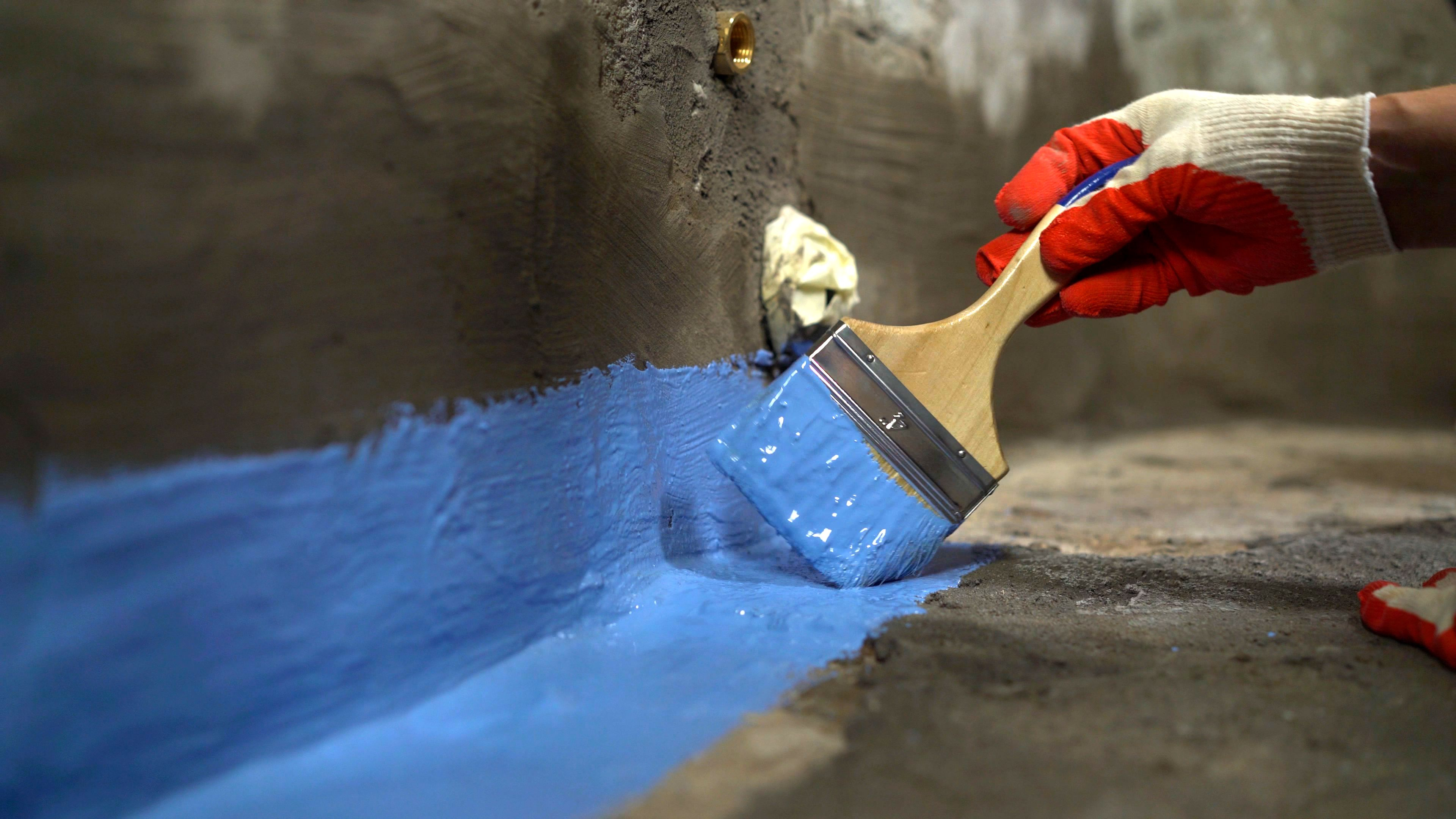
Due to the nature of basements, some level of waterproofing is necessary to prevent water from seeping in and causing damage. Some definitive signs that your basement needs waterproofing measures or needs existing waterproofing measures need to be updated include:
Water in your basement, including damp walls or puddles on the floor
Mold spots in your basement
Musty smells or odors
Warped doors or walls
Cracks in walls
Insect issues, such as cockroaches and termites
Thankfully, you do have a few sump pump backup options in case it fails. One option is a battery-powered backup sump pump. Another option is using a portable backup generator as a power supply for your sump pump. Unlike a battery-powered backup which has limited power, a generator can run around the clock for as long as you need it.
Or you can opt for a water-powered backup pump, which uses your home’s water supply as a source of power. However, this may not be the best option if you find your house frequently has low water pressure.
Yes, outside leaks can easily cause damage to your home if you don’t have waterproofing measures in place. Regularly check your property for signs of a leak, ensure your home’s landscaping is at least at a 5% slope, your basement windows are sealed, and you have an aligned gutter system to catch rainwater.
Mold growth is just one common sign of excess moisture in the bathroom. You may also see the paint in the room start to peel away from the walls, or that the walls remain wet for some time after you bathe.
Condensation on the windows is another sign that your bathroom has a potential moisture problem. The room itself may start to smell like mildew.
A vapor barrier can last over 20 years, but they are vulnerable to pests, flooding, and other natural disasters. If your home weathers a storm or is treated for any pest infestation, make sure to have a drywall pro come check the integrity of your vapor barrier. It’s also important to have a pro install a vapor barrier since improper installation can lead to tears or leaks in the barrier that shorten its lifespan.
The Beatty, NV homeowners’ guide to basement waterproofing services
From average costs to expert advice, get all the answers you need to get your job done.
Need to fix basement water problems or safeguard your home from damage in the future? Use this basement waterproofing cost guide to budget appropriately.
An unfinished basement has a lot of potential for a family room or guest suite. So how much does it cost to finish a basement? Read on for all cost factors.
Dealing with a damp basement? Follow these steps for DIY basement waterproofing to keep water and moisture out and boost your home’s energy efficiency.
Can’t seem to get rid of the moisture and mold in your basement? Learn why basements tend to hold moisture and how to get rid of moisture in the basement.