"We are still in the budgeting phase and have not contacted yet however Scott Hughes of Groundwork’s was a great resource. He provided detailed information on the issues and how they would resolve them for us."
Concrete Mudjacking questions, answered by experts
Mudjacking typically takes 24 to 72 hours (one to three days) to dry and cure completely before you can resume normal use. The exact time can vary depending on the size of the project. Because the slurry mixture contains cement, it must fully harden to ensure that added weight from walking, furniture, or vehicles won't shift the concrete slab. A professional contractor can advise you on when the surface is safe to use. For comparison, if you use polyjacking instead, the polyurethane foam can dry in just a few minutes, but it's best to wait about an hour before use.
Generally speaking, push piers—or steel piers—are the best option for underpinning, as they reach down to solid bedrock to find support for your foundation rather than relying on soil, which could be subject to the same issues as the soil directly below your foundation. However, the best underpinning method for your home depends on your location, how far down the bedrock is, and the type of soil in your area. Helical piers are usually the best option for sandy soil or in areas where the bedrock is too deep to use steel piers.
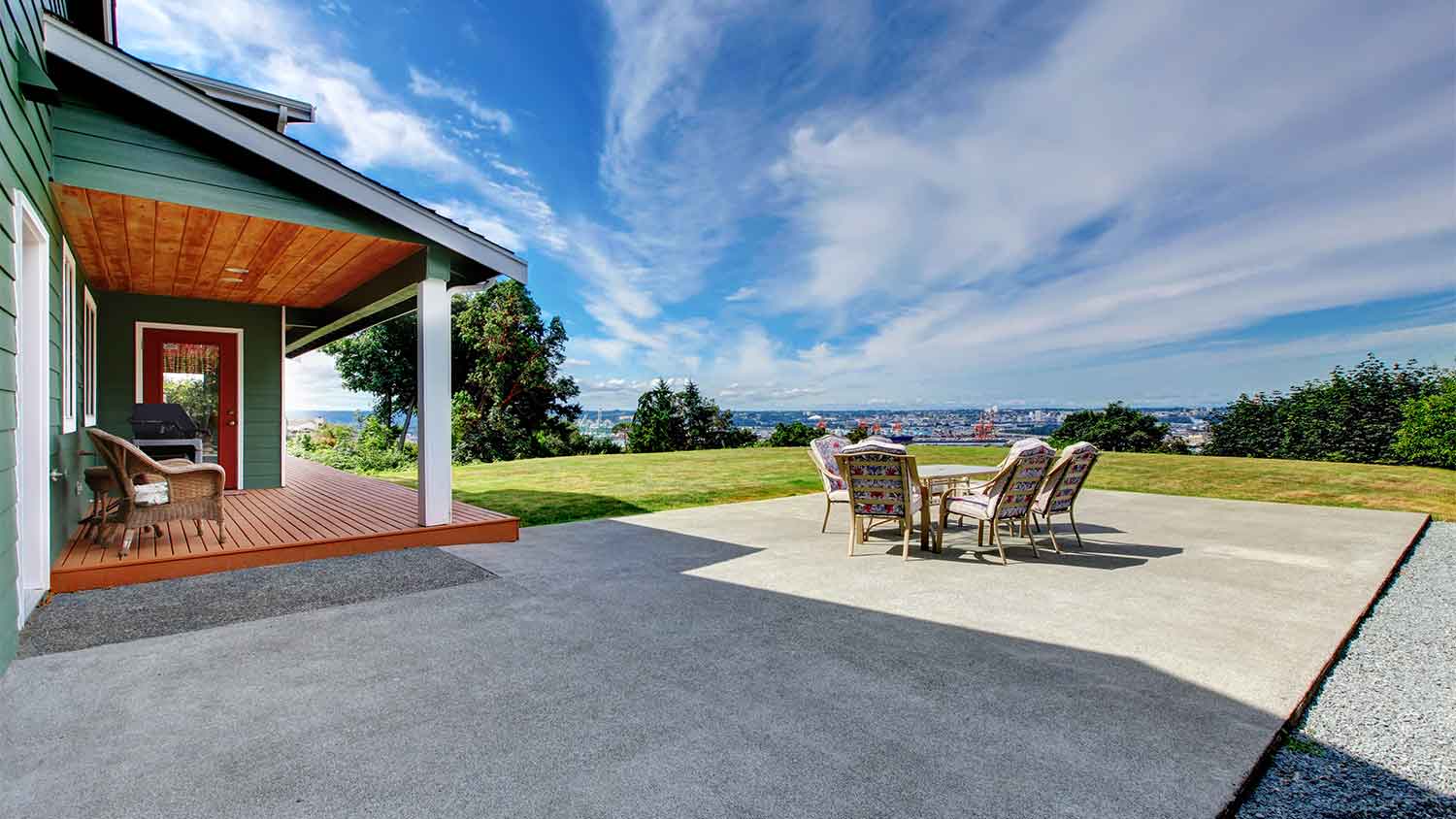
Pros often use mudjacking or polyurethane foam injection to level a sunken concrete patio. Both methods lift the slab by filling voids beneath it. After properly compacting the soil beneath it to prevent future settling, the concrete may need to be removed and re-poured for severe sinking.
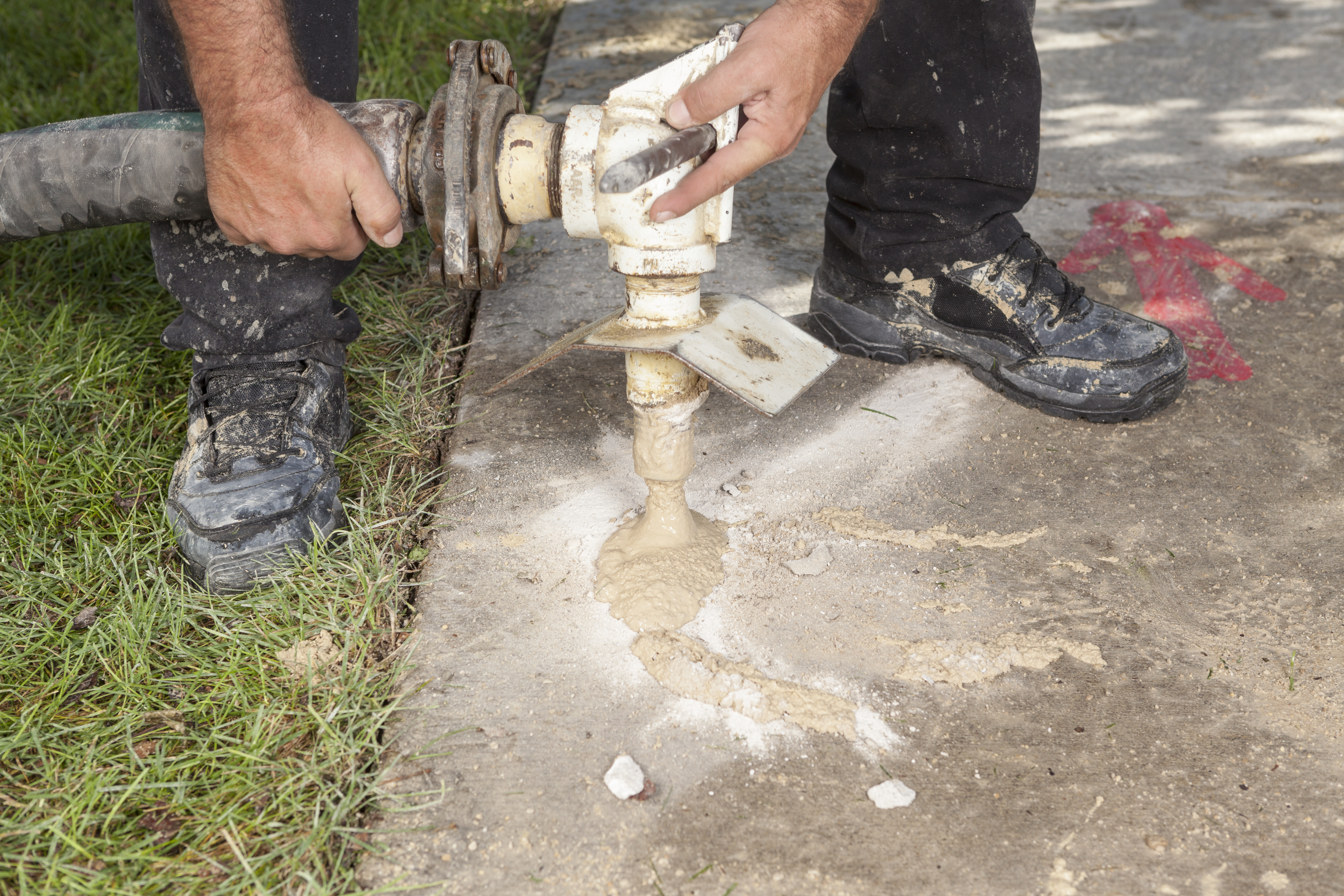
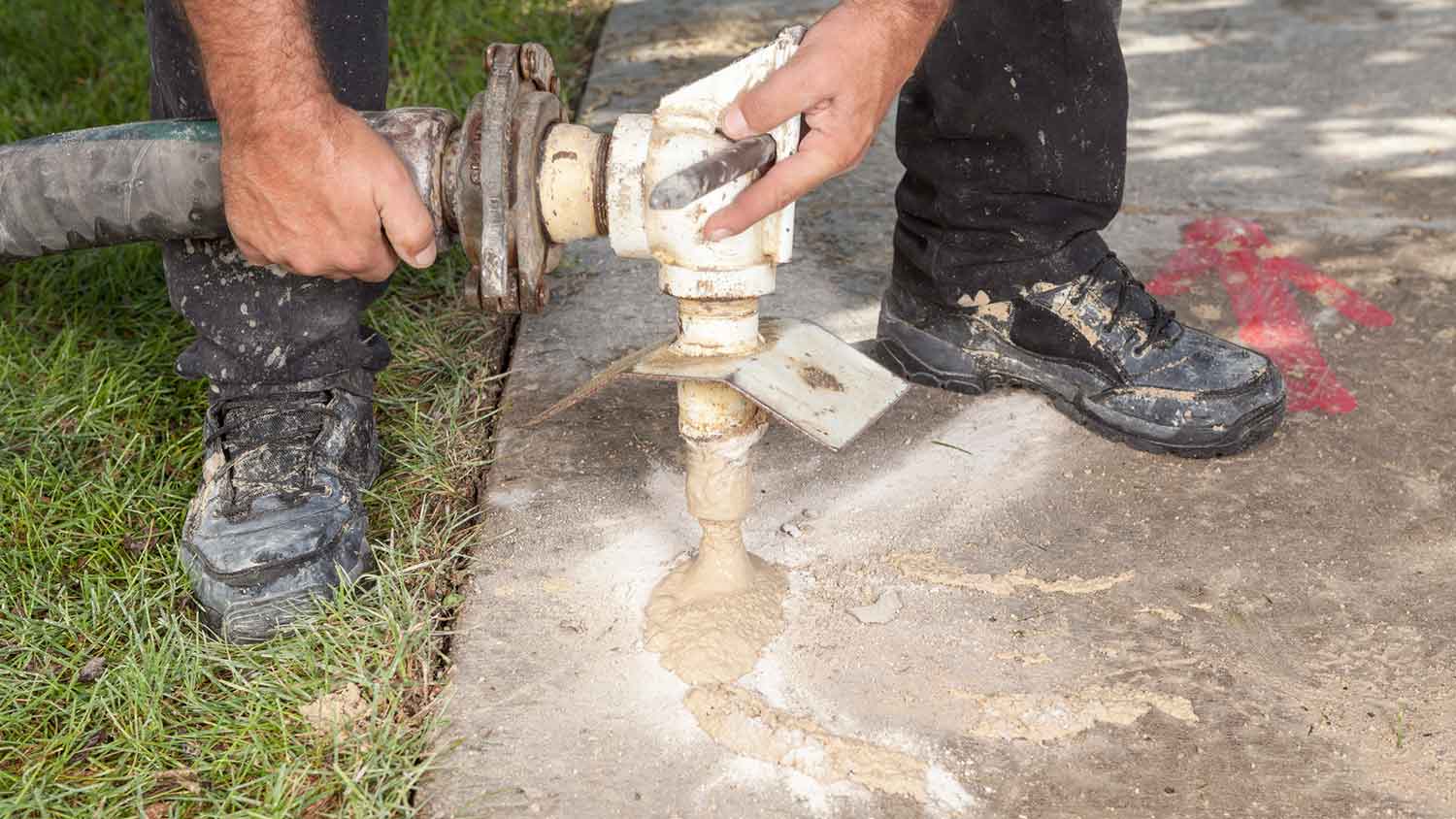
A slurry of cement, sand, and water is injected beneath the concrete to lift and stabilize it.
The polyurethane used for polyjacking will expand and cure in 15 to 30 minutes. After that point, your slab will be safe to walk on and even drive on in the case of a sidewalk or concrete driveway. Double-check with your concrete lifting specialist to confirm a curing timeline, as products can differ.
The Springer, NM homeowners’ guide to concrete mudjacking services
From average costs to expert advice, get all the answers you need to get your job done.
DIY mudjacking is an advanced task, but learning how to raise a concrete slab is great to know for many scenarios. Let's take a look at how to DIY mudjack.