"Tried to contact for a home inspection, and sounded like the phone was picked up and then hung up. Tried again a few hours later and just went to voicemail. "
We have 22 years of experience in the business. At Hometech Builders 3-D Designs, LLC, we pride our company on reliability, great communication, personal service, integrity, and quality work. Thank you.
( Gary's Handyman) is a locally owned and operated company that values honesty and integrity in all aspects of our business. Our dedicated team of professionals have over 12 years of hands on experience, to provide innovative ideas and suggestions tailored to your projects. Our services are customized to your individual needs, paying close attention to the details of each project that we are involved with. Please feel free to contact us today!
The cost of a gas grill burner ranges from $10 to $100 or more, depending on the brand. If you’re replacing one burner, consider replacing all the burners simultaneously. Although it will cost more upfront, it will save you the hassle of replacing a burner every few months, and your grill will cook more evenly and efficiently.
Local codes often mandate specific fittings, permits, and vent considerations for permitted function and safety, which are enforced by professionals.
All U.S. states require permits for gas grill installation, so you’ll have to get one before you move forward with your project. Permits help ensure that the gas line runs safely to avoid gas leaks and explosions. Gas line permits can usually also only be pulled by certified plumbers, which means you’ll have to hire a professional from the start. The permit for a gas line installation for a gas grill usually costs between $100 and $300. You can contact your installation company or building department for more accurate pricing.
Yes, you can lay a gas grill flat during transportation. Laying it flat can help prevent it from moving around the truck during the journey. It’s still advisable to secure the grill with bungee cords, just in case.
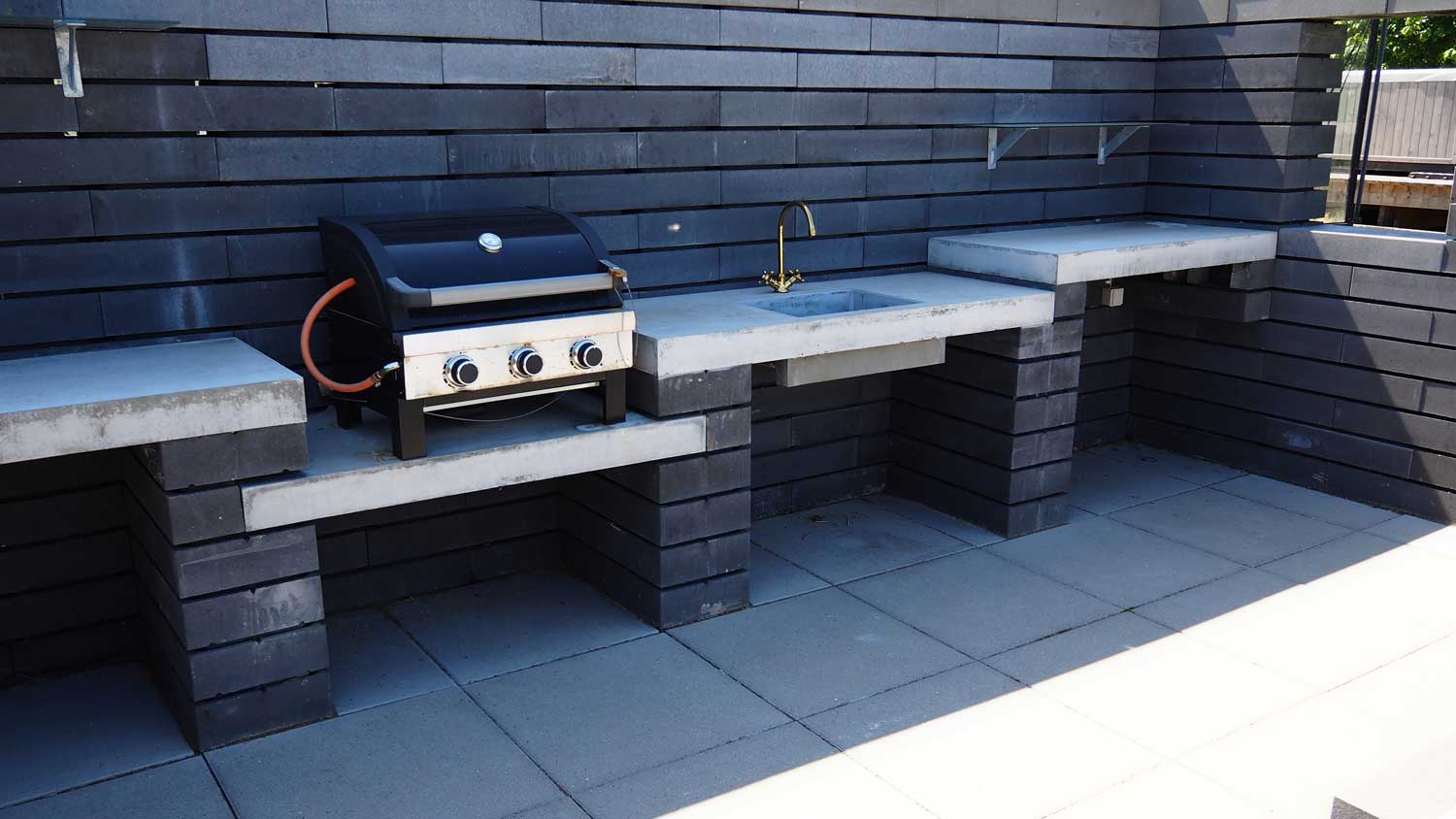
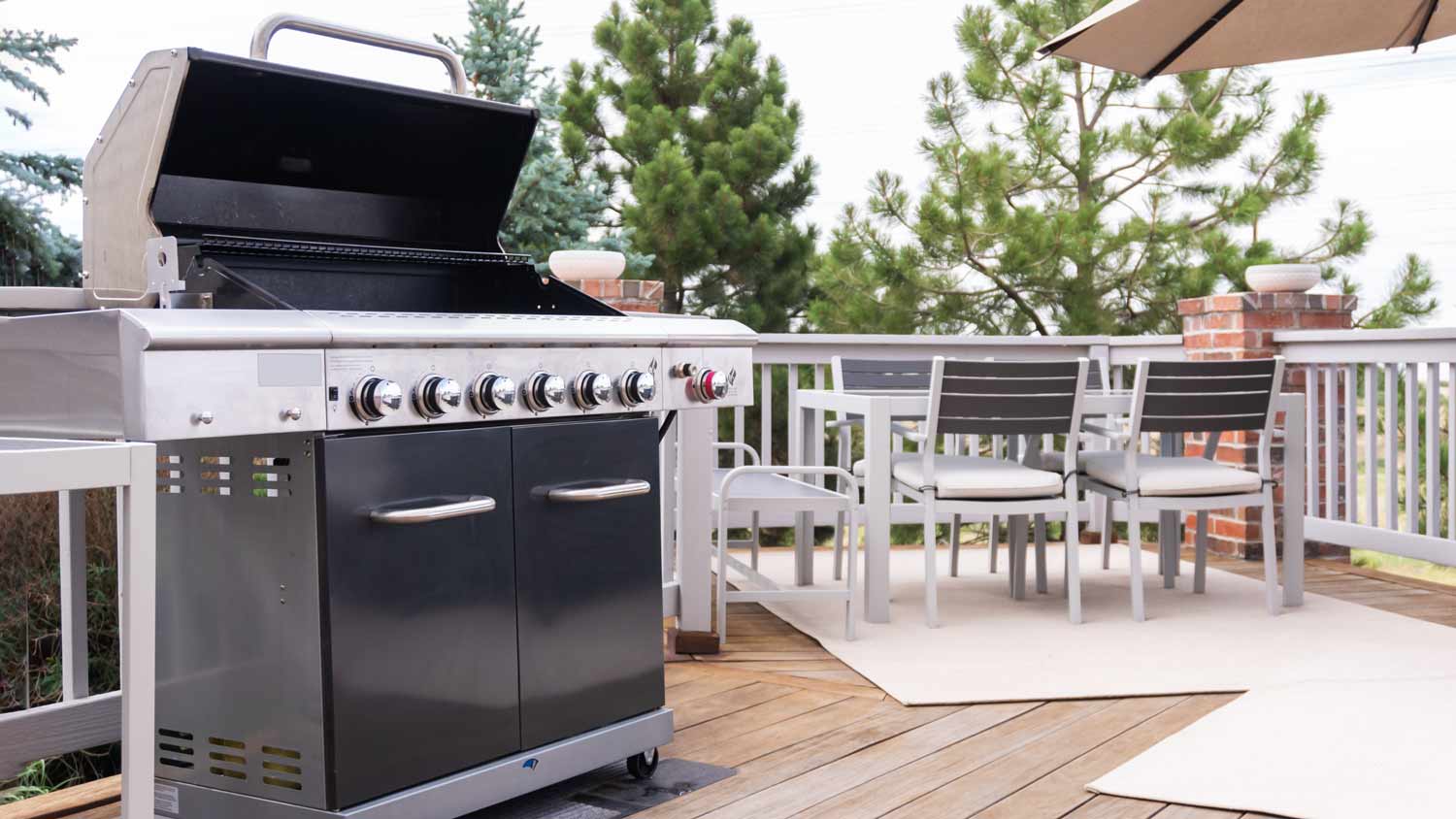
The difference between a built-in and regular grill is installation and design. A built-in grill is integrated into an outdoor kitchen or structure, often within a countertop or island. It is a permanent fixture. A regular grill is standalone, portable, or cart-mounted, allowing mobility and versatility in placement. Built-in grills are typically larger with more cooking space, while regular grills come in various sizes. Built-in grills are favored for creating a custom outdoor cooking area, while regular grills provide convenience and flexibility.
The Hurley, NM homeowners’ guide to grill assembly services
From average costs to expert advice, get all the answers you need to get your job done.
Planning a new outdoor cooking space? Learn everything you need to know about gas grill installation costs, setup options, and how to hire a local pro.
Don’t leave your grill behind when moving house. Learn how to move a grill safely so you can enjoy a home-cooked meal on your first night in your new place.