







Top-rated aquarium service pros.

Best aquarium service pros near Windham, NH

Enter your zip and get matched with up to 5 pros

Need a pro for your aquarium service project in Windham, NH?

Select your specific project to find the pro for you.

TRUSTED BY WINDHAM, NH HOMEOWNERS

  • Average homeowner rating star icon4.4
    Average homeowner rating
  • Verified reviews icon703
    Verified aquarium services reviews

Top-Rated Aquarium service pros in Windham - Updated Nov 2026

Avatar for Jardin Property Services LLC
Jardin Property Services LLC
3.0(
1
)
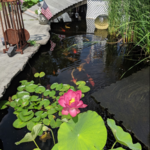
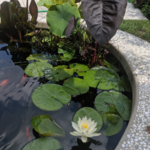
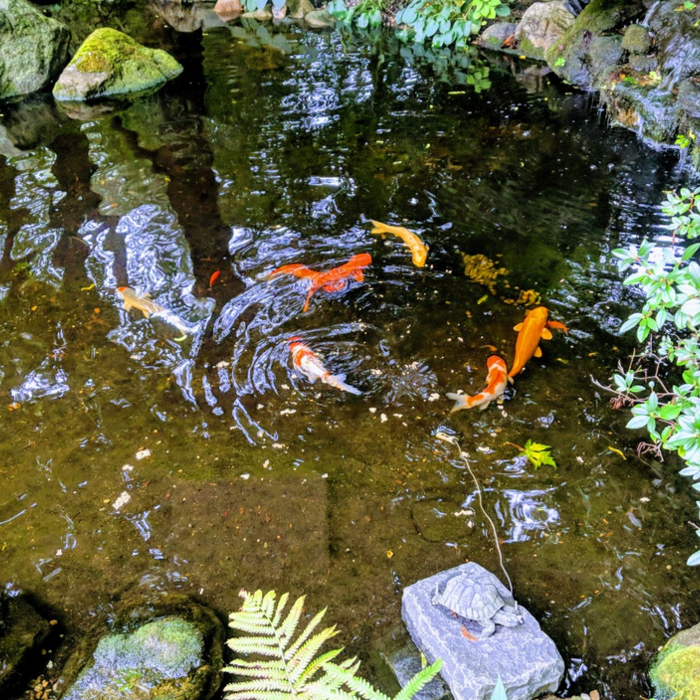
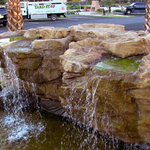
Water Feature - Install a Pond

Serving Windham, NH and surrounding areas

In business since 1978

Free estimates

Emergency services offered

"It was not a great experience. One of their product tended to have died and yet it cost me quite a bit to have it installed. I only used them to do the initial landscaping because they were partners with the developer so I have not used their services since but I do know that other neighbors of mine who have used their services after I moved in they have the same experience where things that were planted died not long after. Best part was they worked with me on designing a landscaping solution that my needs as far as maintenance and cost but I would say the worse part was just the quality of the landscaping that they installed, it just seemed very susceptible to either disease or dying."
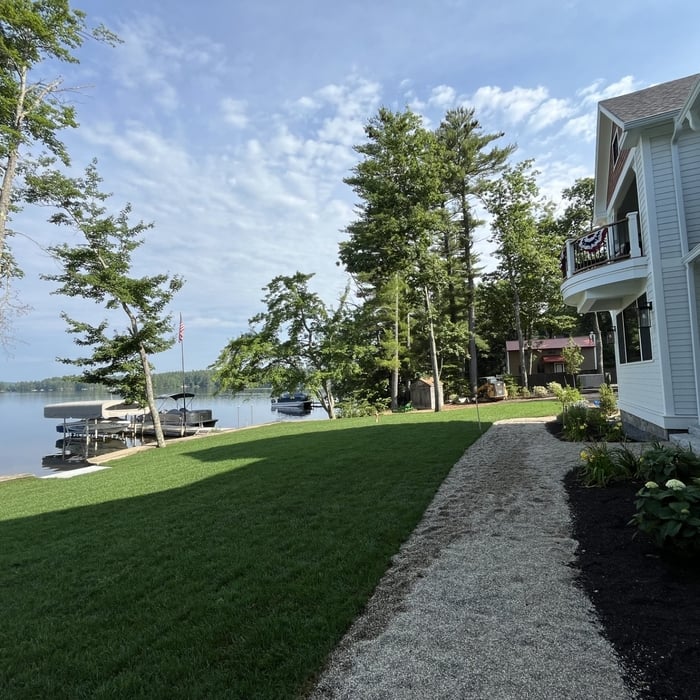
Additional Photos
Additional Photos
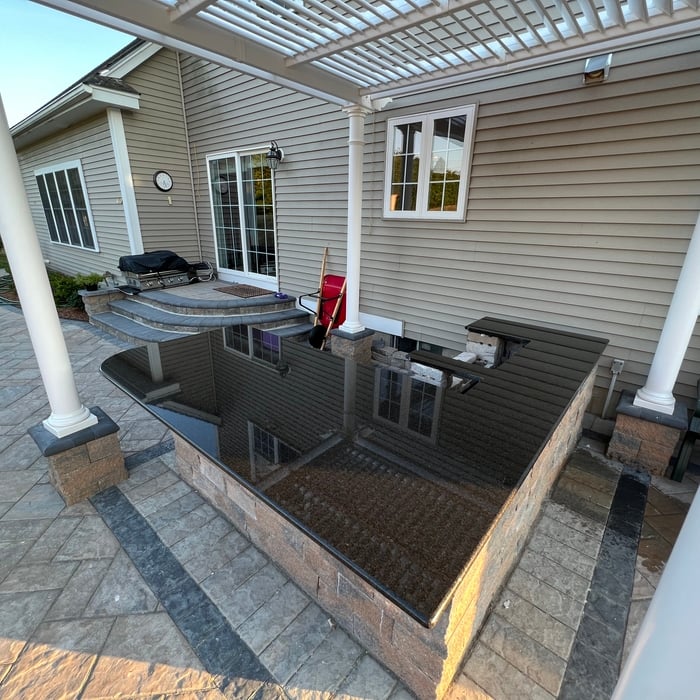
Beautiful paver driveway to accentuate the beauty of this home
Beautiful Patio to enjoy those summer nights
Peastone Walkway

+5

Response rate100%
Showing 1-10 of 24
Aquarium Services FAQs, answered by experts

Common signs that a septic tank is full include plumbing issues, odors, and changes in your yard. You may notice wastewater or sewage backing up into your home's drains, or that sinks, tubs, and toilets are draining slowly. Gurgling or bubbling sounds from the pipes are also a key indicator. Outside, you might smell foul sewage odors around your house or the septic tank area. Look for pooling water, spongy soil, or a marshy environment around the drain field. Another tell-tale sign is a patch of grass over the septic system that is suddenly lusher and greener than the rest of your lawn. If you notice any of these signs, you should contact a septic professional for an inspection and pumping.

Septic tank odors can happen because of a few different issues with your septic system, such as a full tank, clogged drains, or blocked venting systems. Not only is a smelly septic tank pretty unpleasant, but it can also pose a potential hazard to yourself and your home. Toxic fumes could be hanging around, or untreated wastewater could be harming the environment.

Depending on the home, wastewater either goes into a septic tank and seeps back into the backyard or is sent via sewer system to a local sewage-treatment plant. Septic systems naturally separate different components of the waste so that it can naturally and safely disperse it. They are usually reserved for homes not served by a municipal sewage department (like rural homes). A treatment plant, on the other hand, speeds up that process through screening and purification.

A septic system's lifespan typically ranges from 15 to 40 years, with a common average of 20 to 30 years. The longevity heavily depends on the tank's material, maintenance diligence, and usage habits. With proper care, lifespans can reach the upper end of this range.

Lifespan by Tank Material:

  • Concrete: 20 to 40 years

  • Plastic or Fiberglass: 30 to 40 years

  • Steel: 15 to 20 years

To maximize your system's lifespan, follow these maintenance best practices:

  • Regular Pumping and Inspections: Have the tank pumped every three to five years and schedule professional inspections regularly.

  • Mindful Usage: Only flush human waste and toilet paper. Avoid putting items like cat litter, paper towels, cigarette butts, fats, grease, oils, or coffee grounds down your drains.

  • Avoid Chemicals: Do not pour harsh chemicals into the system.

  • Water Conservation: Reduce the amount of wastewater your system has to process.

  • Protect the Drain Field: Avoid driving or building heavy structures over the drain field area.

A properly installed and maintained septic drain field (also known as a leach field) can last up to 50 years, though the average is around 20 years. However, factors like poor soil conditions, heavy usage, or improper maintenance can significantly shorten its lifespan to 15-20 years.

To extend the life of your drain field:

  • Schedule Regular Inspections: Have the entire septic system, including the drain field, inspected every two to five years to catch problems early.

  • Protect the Area: Avoid driving heavy vehicles or placing heavy structures over the drain field. Plant only grass or other lightweight vegetation with shallow roots over the area.

  • Maintain the Septic Tank: Proper care of the septic tank, including regular pumping and avoiding harmful chemicals, prevents strain on the drain field.

Be aware of signs of failure, such as strange odors, standing water, or unusually lush grass over the field, which indicate your system may need professional attention.

The Windham, NH homeowners’ guide to aquarium services

From average costs to expert advice, get all the answers you need to get your job done.