


Top-rated lead testing and removal specialists.

Best lead testing and removal specialists near Pittsfield, NH

Enter your zip and get matched with up to 5 pros

Need a pro for your lead testing and removal project in Pittsfield, NH?

Select your specific project to find the pro for you.

Top-Rated Lead testing and removal specialists in Pittsfield - Updated Nov 2026

Avatar for Mass Removal & Demolition
Mass Removal & Demolition
5.0(
3
)
Toxic Lead - AbatementToxic Lead - Testing

Serving Pittsfield, NH and surrounding areas

In business since 2010

Free estimates

Emergency services offered

"The process went very well overall. These guys were friendly courteous and worked hard. They came for an estimate the day after I called, arrived on time, and ended up doing the work right there. Price was right as well."
Full Clean-Outs
Junk Removal
Demolition Boston
Recommended by100%of homeowners
Avatar for Cicchetti Construction
Cicchetti Construction
4.6(
5
)
Toxic Lead - AbatementToxic Lead - Testing

Serving Pittsfield, NH and surrounding areas

In business since 1992

Free estimates

Emergency services offered

"Started out great, ended up BAD-- our favorite was when-a few months in and behind schedule-- Robert disappeared for a few days, and on return, told us that he had decided to drive to Florida, and made it to NJ before realizing it was a bad idea. Wait, no, it might have been when Robert tried to renegotiate contracted prices (NOT for extra/revised work) and asserted some crazy math that tacked on more than $15,000 due to that screwy math (and not the changing prices, etc.).
On the plus side, we loved one of the subs he hired (Ed, the MA licensed Construction Supervisor from E & H Construction in JP), and we began working with Ed after Robert finished his contract (late, with shoddier work as time went on).  Robert's contract included a warranty, but Robert never returned my calls when I started to see cracks in some of his cement-work (which he poured on one of the 10-degree days in January 2013, despite my concerns).
"
Recommended by66%of homeowners
Lead Testing and Removal FAQs, answered by experts

According to the Environmental Protection Agency (EPA), hazardous waste is generally classified into four main categories:

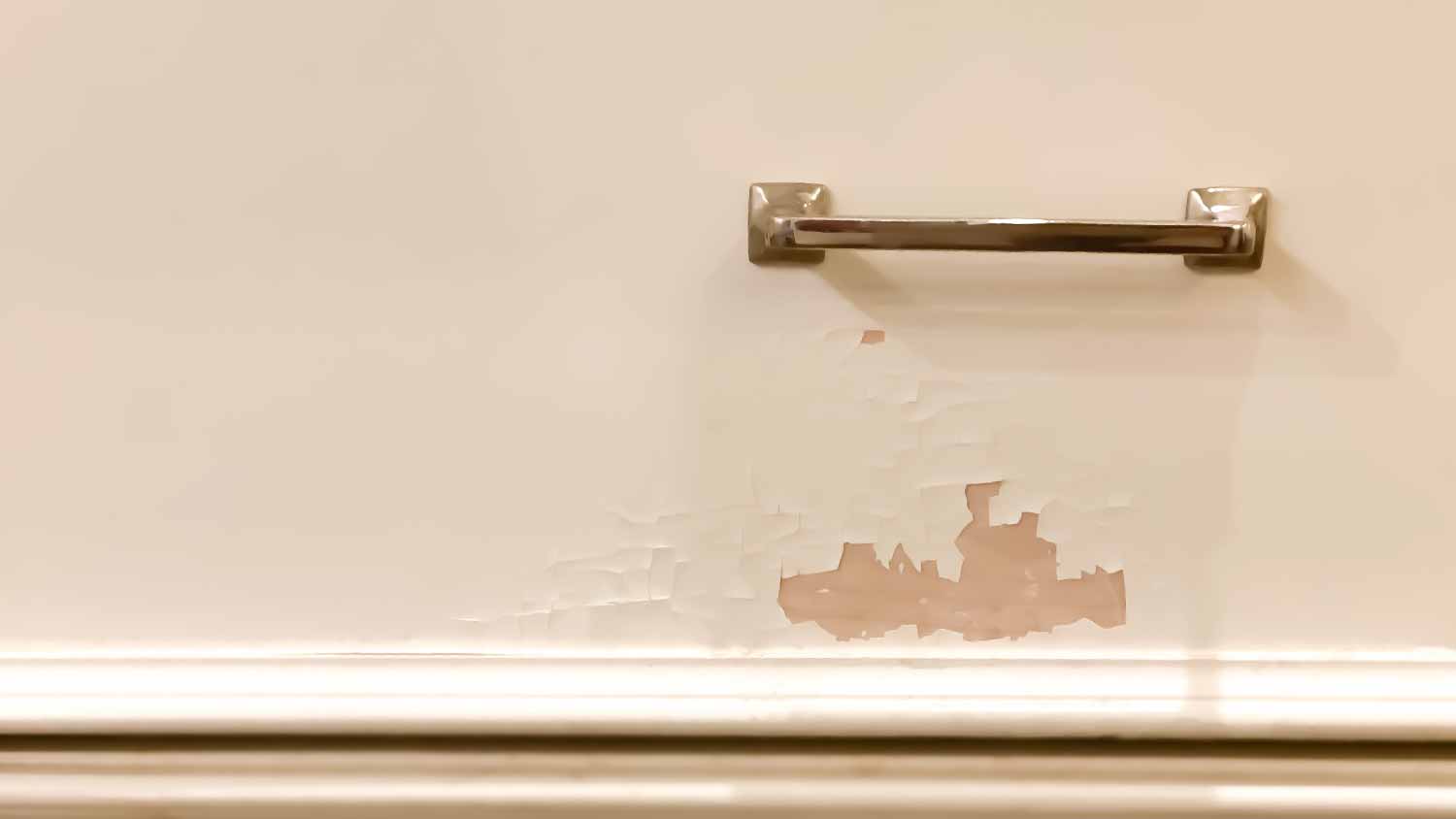
1. Characteristic Wastes: These exhibit at least one of four hazardous traits: ignitability (flammable, like gasoline), corrosivity (can rust or decompose materials, like car batteries), reactivity (unstable and can explode, like aerosol cans), or toxicity (harmful when ingested, like lead-based paint).

2. Listed Wastes: These are specific wastes from manufacturing and industrial processes that the EPA has officially designated as hazardous. They include byproducts from processes that use solvents, pesticides, and other chemicals.

3. Universal Wastes: These are commonly generated hazardous items that are subject to streamlined regulations. Examples include batteries, pesticides, mercury-containing equipment (e.g., bulbs), and some lamps.

4. Mixed Wastes: This category includes waste that contains both hazardous and radioactive components, making it subject to regulation by both the EPA and the Nuclear Regulatory Commission.

A lead paint inspection is a thorough examination and assessment of a building or structure to determine the presence of lead-based paint. Lead-based paint was commonly used in buildings before 1978 when its health hazards were fully understood. Lead is toxic and can pose health risks, particularly to young children and pregnant women. Getting a lead paint inspection means finding a lead paint inspector to examine the surfaces of the building—such as walls, ceilings, doors, windows, and other painted areas—and identify the presence of lead-based paint.

Lead testing prior to purchasing a property ensures that the new owners are informed about potential hazards, prevents health risks associated with lead poisoning, and facilitates timely remediation.

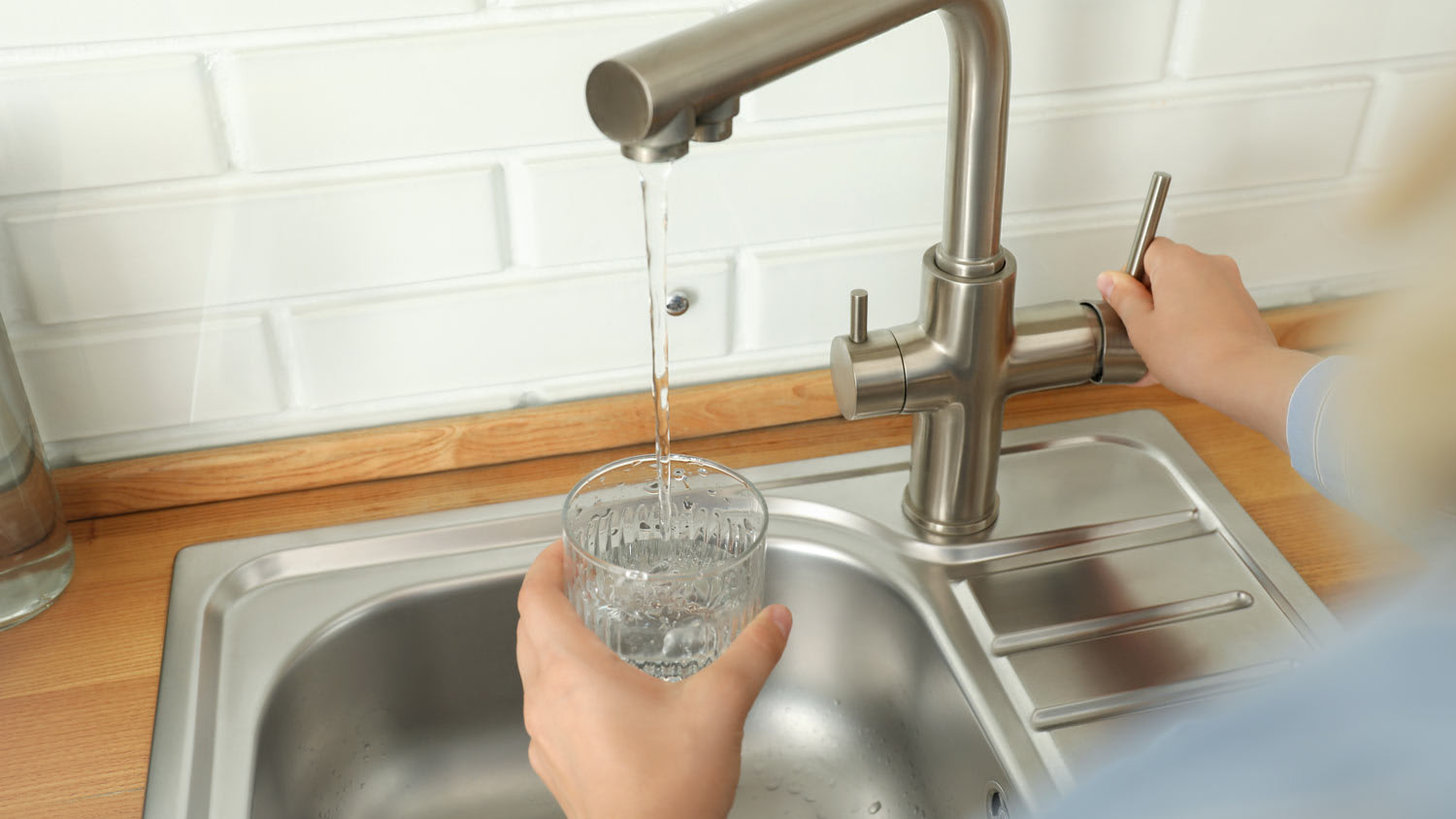
With regular testing, treatment, and maintenance, water from a community well should be safe to drink. Unfortunately, the EPA does not regulate private wells, and contamination can happen. 

If you have doubts about the quality and safety of your drinking water, you have options for testing. You can pick up kits from your local home supply store or harvest samples and send them to a local testing facility. To get the most complete water quality testing and system diagnosis, seek a local well professional. They know what to test for and can recommend and implement a longer-lasting solution.

According to the EPA, there is no safe level of lead in the blood, and so the maximum contaminant level goal (MCLG) for lead in water is zero. Even at low levels, lead is harmful to human health. It can also remain in the body and build up over time with repeated exposure.

The Pittsfield, NH homeowners’ guide to lead testing and removal services

From average costs to expert advice, get all the answers you need to get your job done.