"He not only did a great job, but was a rare contractor who has integrity, means what he says, showed up on time. We were very blessed with his service."
"I was very pleased with the work he did, he has a nice way of explaining things , I sure I will hire him again for other projects when needed he is a very pleasant person to deal with. Tank you Scott for being such a nice guy ."
"From the very beginning to the end the experience was exceptionally good. The price was great, professionalism top-notch and the work was extremely high-quality. We knew exactly what to expect along the way and I would recommend them to anyone."
"He has been a good electrician and he knows his stuff. I have referred him to friends and they have been happy with him as well. I will be hiring him again soon."
K & J Electric is owned and operated by Kevin Walker, Master Electrician. We proudly handle both residential and commercial electrical work, and no job is too big or too small. Whether it’s new construction, renovations, or upgrades to an older property, we complete every project neatly, safely, and on schedule.\n\nEstimates are always free — call Kevin today to discuss your project.
I am upfront and honest worker that treats people the way I want to be treated. I believe in working with people and keeping them informed every step of the way. Quality takes priority, either a job is done right or it's not worth doing at all. I don't guarantee the cheapest price, but a great value and peace of mind.
\n
General Construction, Remodeling, Electrical Service updates, New Constructions and Additions, landscaping and Handyman services, I work with clients to bring their vision to life. Fully insured and licensed in Multiple states, with over 26 years in the trades, an extensive knowledge of building codes with an emphasis on construction inspections and safety my goal is to provide craftsmanship and quality in a timely manner.
"I hired Twin State to build an addition that would act as my mud room. They were very helpful during the whole process and did an amazing job. They will be the only company I ever use."
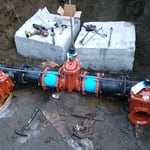
Setting up utilities on a vacant property usually takes at least a few months, or between 6 weeks to 16 weeks. This process requires working with the local planning and zoning department, hiring a building contractor or engineer to design the utility layout, securing permits, laying the lines, and connecting the utilities.
These advanced generators use a key fob or a smartphone app to remotely start, which is ideal for getting power back on immediately without venturing outside. This feature is more common on whole home generators, but you may be able to find it on large portable generators, too.
The average cost to install a home generator is $5,200, but total costs can range from $500 to $18,000 or more. The final price depends on several factors, including the generator's size, type, brand, fuel source, and the cost of labor and assembly. The generator's size is the most significant cost factor, as units that can power larger homes with higher energy demands cost more.
Cost breakdowns by generator type are typically as follows:
Portable or Emergency Backup Generators (1kW–7.5kW): $500–$2,000
To ensure you get the right size unit for your needs without overpaying, consider hiring an electrician to calculate the electrical load of your essential appliances. It is also recommended to get at least three quotes from qualified installers to find the best fit for your budget.
Yes, in most municipalities, you will need a permit to install a permanent home generator, including emergency backup, partial-home, and whole-home models. Because these installations involve significant alterations to your home's electrical system and produce exhaust fumes, local governments often require a permit or inspection for safety purposes. A generator permit typically costs between $50 and $250, depending on your location. Your electrician or certified installer can usually handle the permitting process for you, but you will be responsible for the cost. It's a good practice to confirm with your installer that they will pull all necessary permits before work begins.
Costs depend on generator type, labor, and additional wiring or transfer switch requirements.
The Colebrook, NH homeowners’ guide to generator installs
From average costs to expert advice, get all the answers you need to get your job done.
Natural gas generators are whole-home standby generators that are connected to your home’s natural gas line. The average cost for a natural gas generator is $12,000.
Generators should give you peace of mind, but you’ll only get that if your installer knows what they’re doing. Learn how to hire a pro and what red flags to look for.
Thinking about a generator installation? Learn about backup power options, costs to expect, and how to hire the right local pro to keep your home running.