"I only use James when I need some work done to my house. He responds fast, gets the work done quicker than just about anyone else I've ever used and seems very concerned with leaving his customers happy."
"He did such an awesome job and did exactly what I asked. He even double checked all of his work and it was great. I will definitely be calling him again."
ATF Fabrication is a locally owned and operated company that values honesty and integrity in all aspects of our business. Our dedicated team of professionals have over 12 years of hands on experience, to provide innovative ideas and suggestions tailored to your projects. Our services are customized to your individual needs, paying close attention to the details of each project that we are involved with.
\n
Since water heaters are primarily made of metal, they’re commonly accepted by scrap yards and collectors. Don’t expect to fetch a high price, though—water heaters are mostly steel and aluminum, which aren’t high-value metals. Some components are made of more valuable metals, like brass and copper, but they’re a small portion of the heater and won’t affect the price much.
Costs depend on unit complexity, labor, wall mounting needs, and additional accessories like floating shelves.
Yes, but you’ll need reliable steel-cutting tools and safety gear to get started. Shipping containers are typically around ¾ inch thick, so it’s entirely possible to cut through them, but experience and the right equipment are very important. When possible, try to get a container as close to the size you want it as possible.
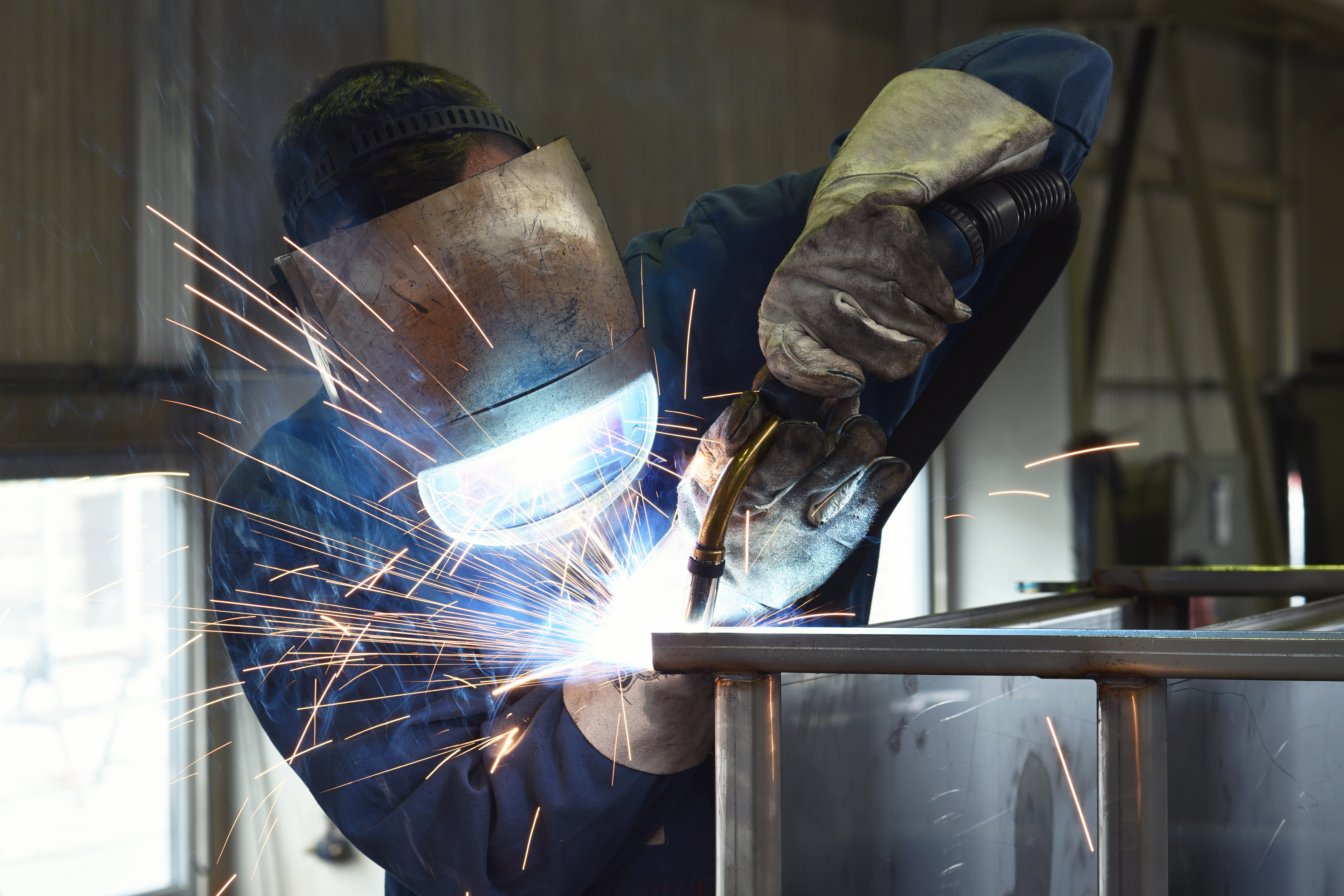
Welders use a variety of methods in their trade. Different types of welding are better suited for different purposes and contexts. For example, stick welding is a versatile form suitable for most metals and alloys.
The most common types of welding include:
Stick welding: $100–$1,000
Metal Inert Gas (MIG) welding: $250 and up
Tungsten Inert Gas (TIG) welding: $250 and up
Gas welding: $150 and up
Forge welding: $15–$25 per hour
Some welding projects, such as repairing pipes or fences, require travel, whereas others, like furniture repair, do not necessarily require the welder to come to you. Travel and overhead factor into the overall cost of your welding project.
Some of the most common welding projects include:
Metal furniture repair: $35–$100
Pipe repair: $200–$1,000
Small gates: $550–$750
Fencing: $1,200–$1,800
Fabricated sheet metal welding: $750–$2,500
The Trenton, NE homeowners’ guide to welding services
From average costs to expert advice, get all the answers you need to get your job done.
When you need help with a metal project and don’t have the expertise or the time, call an expert welder for your project. Here’s how to vet and hire a welder.