We provide residential and commercial solar power options, and provide support services for industry partner companies. We offer no cost consultations and $0 down financing. Please contact our office for a consultation at (931)922-8258.
"The Tech came out and due to the parts shortage he was not able to replace the front panel so Choice warranty gave me a voucher to replace it. I'm very pleased with their services. All I paid was the service fee."
"The last was a rental company that we have and we used them for an air conditioning and heating system. It was Bototach Mechanical. It’s been a good program for us. They’re very responsive. I don’t know what the thought process was. My husband said, well let’s try these guys and so we did. We have an older home and it’s proved to be a very good deal. The quality has been pretty good, so I would give them an A for the quality. I will give you one helpful hint though. If the company decides they want to replace an appliance, you need to call them and negotiate with them because you can upgrade, but you need to talk to them in person not just do it over the internet."
Owner and operator, Ryan Dietz, takes great pride in his professionalism and satisfaction of his customers. He has over 20 years experience, as well as an eye for detail and completes every job to perfection! For fast, reliable and efficient service, give us a call today.
Solar batteries can be a great investment to help maximize your solar savings and make your system and home more valuable, but they’re most beneficial to customers who don’t have access to net metering. If your state or energy provider doesn’t provide net metering, batteries can be a great way to offset consumption even when your panels aren’t producing power. They also come with the added benefit of providing electricity through blackouts, so they’re valuable in areas prone to severe weather that could cause frequent blackouts. Your installer can help you decide if batteries are worthwhile.
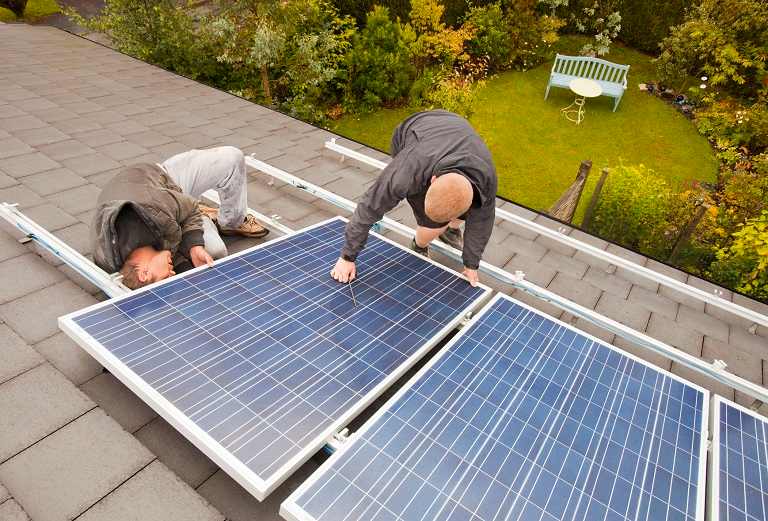
DIY solar panel installations are hard to manage by yourself. You’ll likely need some help or prior experience to make the project worth the effort.
The best way to save money on solar panels is to take advantage of federal and state solar incentives. For example, the solar investment tax credit (ITC) offered by the federal government can save 30% of your total—if you can take the entire credit, which is based on income taxes owed—or an average of around $9,000. You can check the Database of State Incentives for Renewables and Efficiency (DSIRE) for state and local incentives that could save you even more.
Insurance companies aren’t against solar panels, but they may have concerns about the risks and costs of insuring solar. The type of policy, where you live, and the insurance company itself matter. Extreme weather can damage solar panels, and faulty installation or electrical malfunctions pose a fire risk—this, in turn, can increase insurance company liability and payouts. However, you’re likely to keep coverage as long as you have a pro install the solar system, keep it maintained, can pass a solar panel inspection, and update your homeowners policy to include solar.
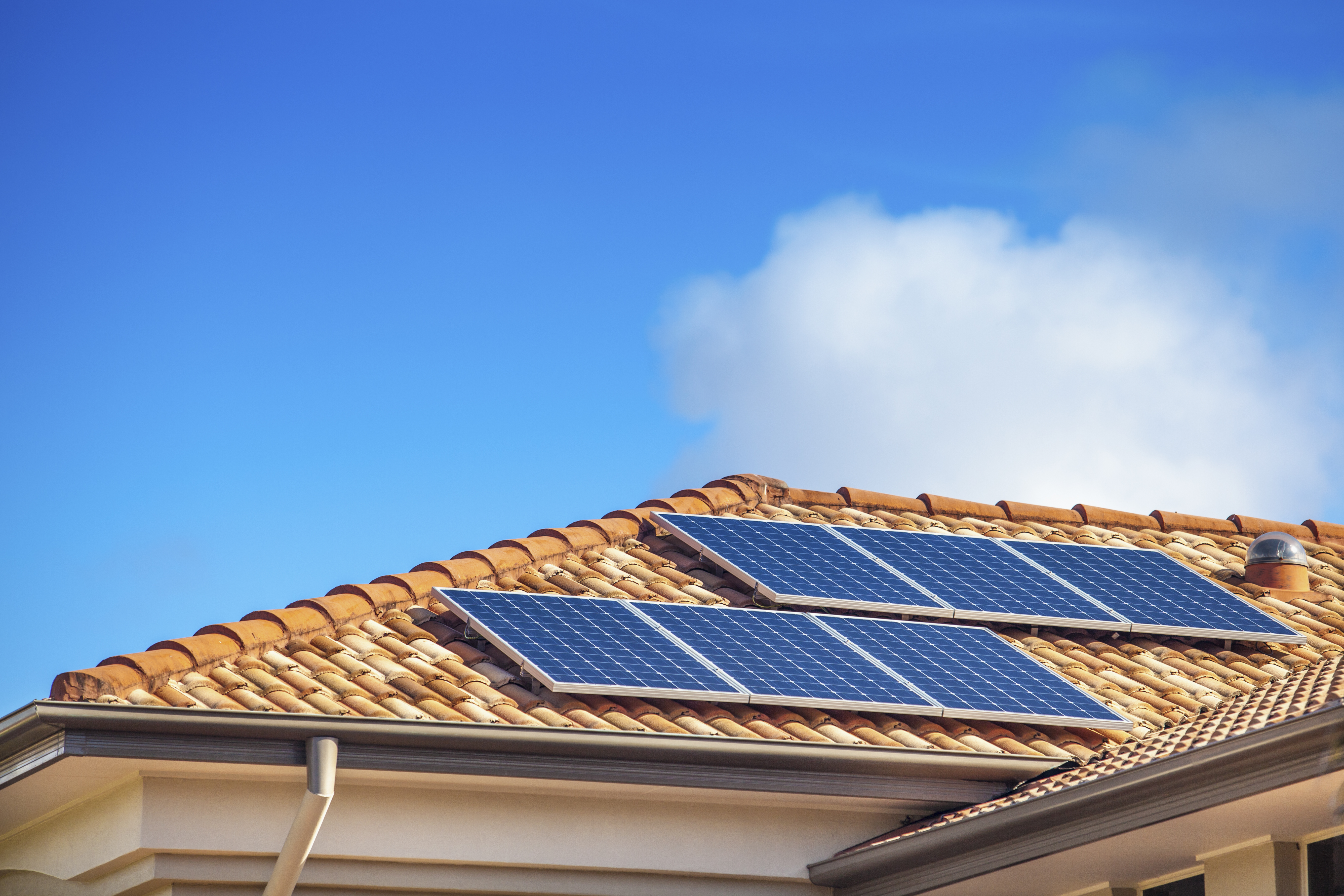
Solar shingles and solar panels are not the same. While solar shingles use the same technology as traditional solar panels, they integrate with your existing roof. That means they are used to build your roof instead of simply resting on top of it. When comparing solar shingles and solar panels, it's helpful to know that solar shingles are more aesthetically pleasing than solar roof panels. They also do better in harsh weather due to limited uplift from strong winds.
The Spencer, NE homeowners’ guide to solar panel services
From average costs to expert advice, get all the answers you need to get your job done.
Find out how much it costs to remove solar panels, including average prices, key cost factors, and tips to save money on your solar panel removal project.
There are a few factors to consider when it comes to solar panel repair costs. This guide breaks down the prices of solar panel removal, repair, and replacement.
There are three types of solar panels: monocrystalline, polycrystalline, and thin-film. Before choosing one for your home, here are the pros and cons of each.
If you’re making the switch to solar energy, you’ll want to know the difference between solar panels versus solar shingles. Here are the pros and cons of each.