

Top-rated lawn irrigation specialists.

Best lawn irrigation specialists near Eagle, NE

Enter your zip and get matched with up to 5 pros

Top-Rated Lawn irrigation specialists in Eagle - Updated Nov 2026

Avatar for Fieldcrest Outdoor Solutions
Fieldcrest Outdoor Solutions
New to Angi
Sprinkler System for Lawn and Garden - Winterize or Activate

Serving Eagle, NE and surrounding areas

Approved

Emergency services offered

Warranties offered

Small jobs welcome

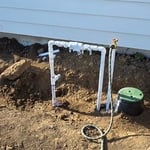
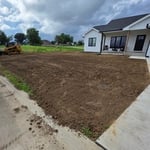
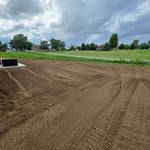
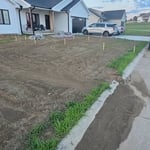
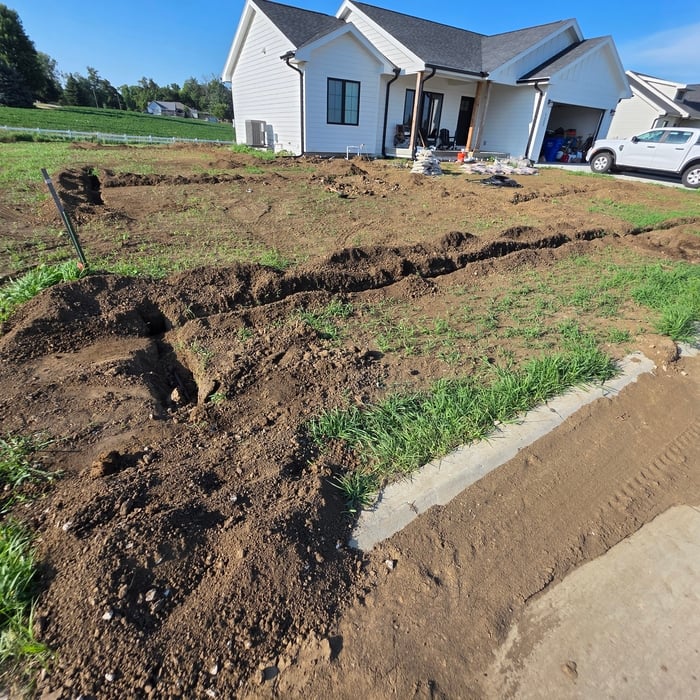
Fieldcrest Outdoor Solutions provides professional irrigation, lawn installation, and outdoor improvement services built on precision, reliability, and clean workmanship. We design and install high‑quality sprinkler systems, drainage solutions, landscape borders, and rock beds that are engineered to perform and made to last. Every project is planned with accuracy, from trenching and head layout to backflow integration and system testing, ensuring homeowners get efficient coverage, dependable water flow, and a yard that looks intentional and well‑finished.We focus on doing the job right the first time with clear communication, honest expectations, and contractor‑level quality. \n\nWhether it’s a full irrigation system, new lawn installation, or detailed landscape work, Fieldcrest delivers durable results and a clean, professional finish every time.
Backflow Preventer
Grade Correction
Grade Corrections
Irrigation Planning
Trench Work

+1

Avatar for CC R&D
CC R&D
New to Angi
Sprinkler System for Lawn and Garden - Winterize or Activate

Serving Eagle, NE and surrounding areas

Approved

CC R&D is here to take care of your junk removal needs. We’ll take care of the heavy lifting while you just sit back, kick your feet up, and watch. We are two recent college graduates that are ready to hit the ground running with our new business. Feel free to reach out to 6015060774 or 6058806628 to book your junk removal appointment!

Basement Clean Out
4 neighbors recently requested a quote
Showing 1-10 of 20
Lawn Irrigation FAQs, answered by experts

The time you should wait before walking on new grass depends on whether you used seed or sod. If you laid new grass seed, it's best to wait about eight weeks before stepping on it, as new grass is fragile. For sod, it typically establishes itself in the ground in about two weeks. For heavy traffic, like driving a car across a new grass driveway, you might need to wait an entire season.

Power seeding and aeration are both excellent ways to improve lawn health, but they serve different functions. Aeration focuses on improving soil health by creating channels that allow more water, oxygen, and carbon dioxide to reach the roots. In contrast, power seeding is a method of planting grass seeds, often by creating narrow trenches in the soil. One service isn't better than the other; they are complementary. It is beneficial to aerate your lawn before power seeding, as this makes the seeding more effective by helping the germinating seeds access the resources they need. It's a good practice to aerate your lawn once or twice a year, regardless of whether you plan to power seed.

If you use a starter fertilizer designed for this purpose, you can overseed and fertilize at the same time. If you opt to use a fertilizer for established grass or one with a weed control component, it's best to wait at least four to eight weeks after seed application to allow the new grass to take hold and establish itself. 

Many homeowners in warmer climates like this resilient, hearty grass because it can tolerate excessive heat and drought while developing into a lush lawn. Unlike other grasses, Bermuda grass grows and spreads quickly and can withstand excessive foot traffic. But whether Bermuda grass is good for lawns may depend on your geographic location, as this grass has a low tolerance for cooler temperatures, which causes it to go dormant and turn brown in the winter months.
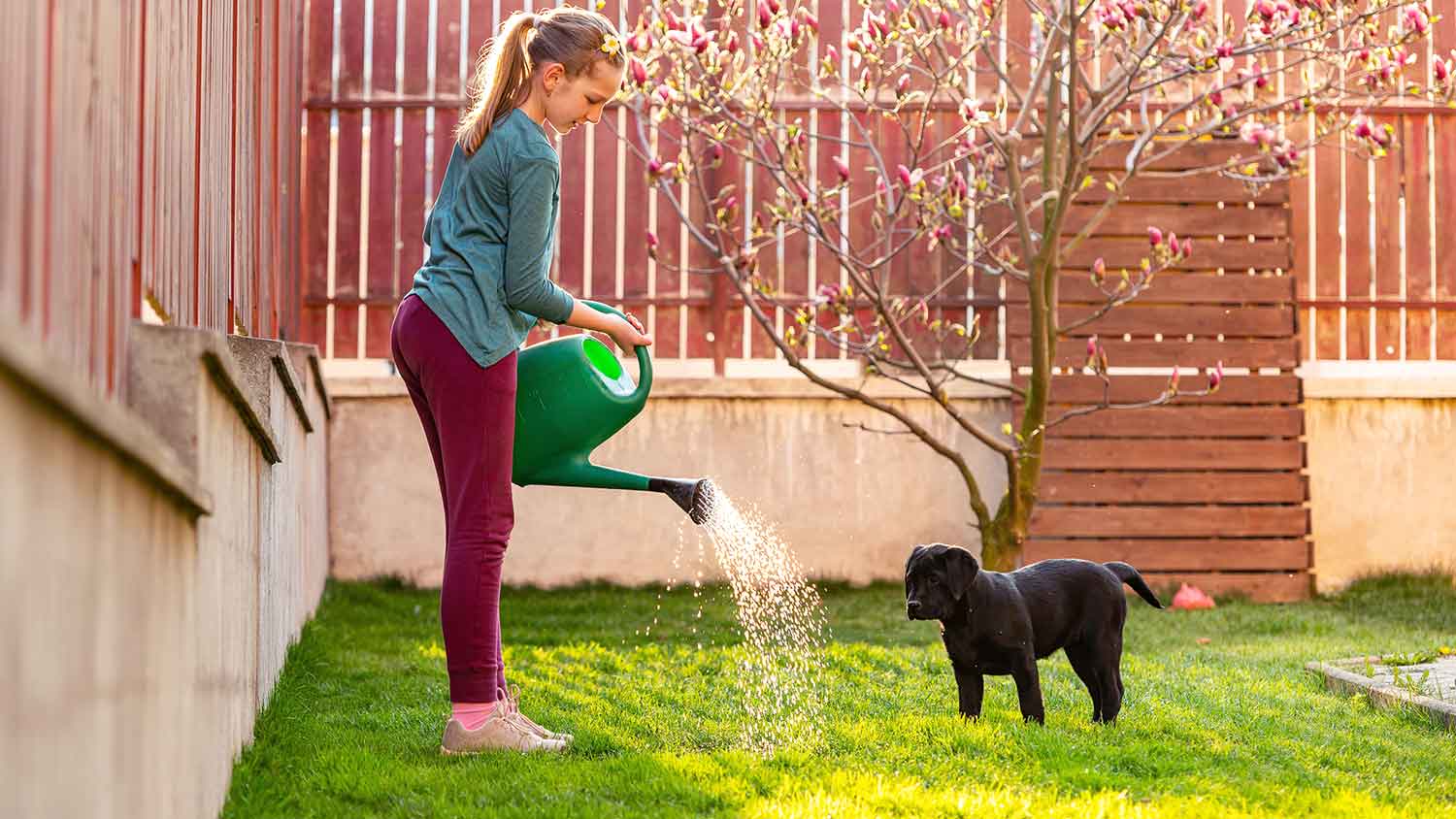
This depends on the type of grass seed, as some types do better in different environmental conditions. Cool-season grasses go dormant during the summer months when the soil temperature exceeds 65 degrees Fahrenheit. Once exposed to regular doses of heat, the germination rates decline, with seedling death not far behind. 

As for warm-season seeds, they come from tropical parts of the world and thrive in heat. They actively grow in warm air temperatures between 70 and 90 degrees Fahrenheit, and they prefer soil temperatures between 65 and 70 degrees Fahrenheit. Once temperatures dip and frost rolls in, if you don’t store them properly, warm-season grass seeds will die quickly.

The Eagle, NE homeowners’ guide to lawn irrigation services

From average costs to expert advice, get all the answers you need to get your job done.