"I only use James when I need some work done to my house. He responds fast, gets the work done quicker than just about anyone else I've ever used and seems very concerned with leaving his customers happy."
Burns Construction, is a full service general contracting firm operating in the greater SW NE area for many years. We pride ourselves in our attention to detail and our unsurpassed customer service. The quality of our work speaks for itself and we look forward to working with you on your next project.
While some people are confident in their ability to replace concrete by drilling out the broken pieces and replacing them with bagged concrete, it’s possible to run into snags that make hiring a professional worth it. Trying to level concrete slabs can require special equipment, which can be pricey to rent and tough to operate. It's also crucial to contact your town's municipal office to ensure you are allowed to take on the project without a permit.
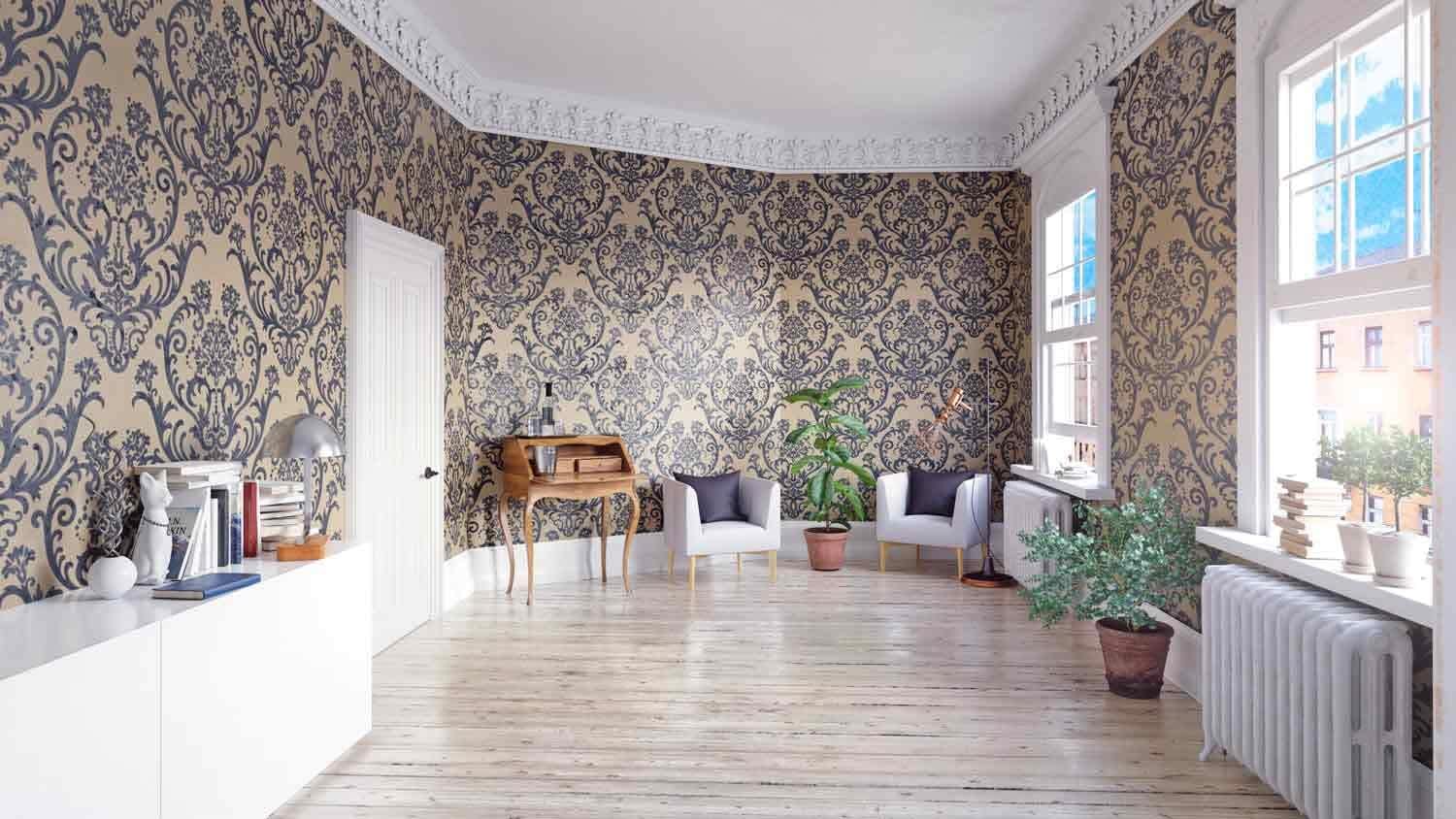
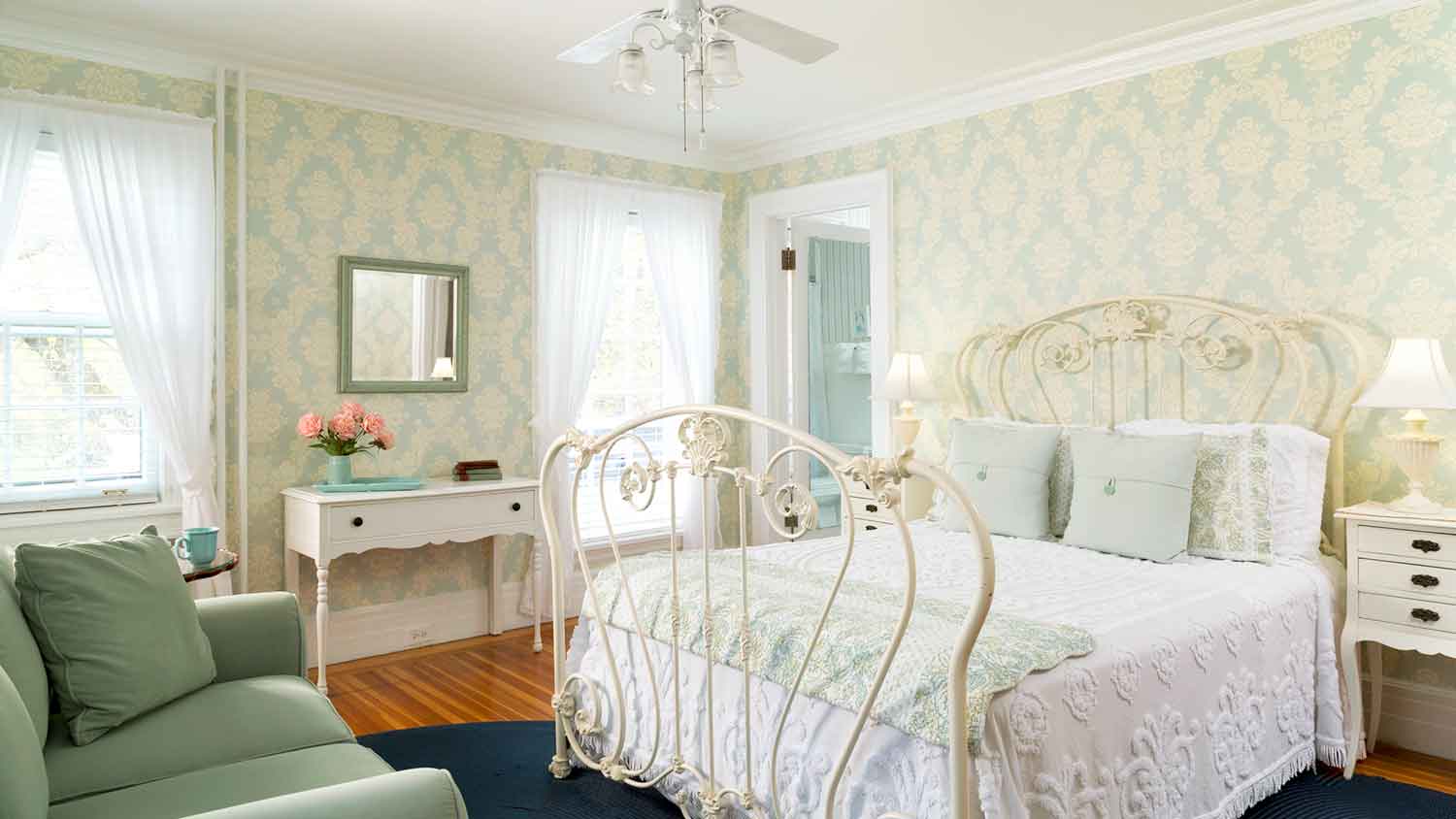
Wallpaper lasts an average of around 15 years, but there is some variance. The type of wallpaper matters, as vinyl wallpaper tends to last the longest—sometimes 20 years or more—while a peel-and-stick wallpaper, which is the easiest to install for DIYers, will usually only last for around five years. Exposure to high humidity, smoke, and UV rays from sunlight can also limit the lifespan of your wallpaper, as can heavy traffic in the installation area.
To determine how many rolls of peel-and-stick wallpaper you need, measure the square footage of the walls you’re covering and divide that by the square footage that each roll covers. Add 10% to 20% of your total square footage to account for pattern matching or damage while installing.
Painting over wallpaper is an efficient way to cover it if it’s in decent shape. Before painting over wallpaper, make sure the surface is clean and smooth. You may have to remove minor problem areas, such as lifted seams or small peels, with a sheetrock knife or putty knife. Add a latex- or oil-based primer to keep moisture at bay before painting. You’ll likely need two coats of paint to cover the area.
Yes, you can put wallpaper in a bathroom, but whether it's a good idea depends on several factors. Because bathrooms are high-humidity areas, it's crucial to choose a water-resistant wallpaper, such as one made of vinyl. Proper wall preparation is also critical to ensure the paper adheres well, even after many steamy showers. The wallpaper's placement also affects its longevity; it will hold up better on an accent wall or away from direct water contact, rather than immediately next to a shower. A well-ventilated bathroom will yield the best results.
The Benkelman, NE homeowners’ guide to wallpaper services
From average costs to expert advice, get all the answers you need to get your job done.
Discover wallpaper installation cost. Learn about material, labor, and project factors to estimate your budget and make informed choices for your home.
Whether you can put wallpaper over wallpaper depends on the type of paper you’re using and the condition of the existing surface. Learn more with this guide.