"Sales process was good, courteous and helpful. Installation instructions were easy to follow. Did have a small issue with one sensor which was easily solved with a call. Control panel is easy to use and well constructed. Phone app is the best part. Not a big fan of a 2 year contract and the monthly rate feels a little high, but definitely a decent system. I had emailed them a question pertaining installing on double hung windows and never received a reply, but other than that their phone support prior to that was good."
Use a combination of blackout methods to truly black out your windows. If you want to eliminate all light from your room, try installing a very dark tinted film and then putting up blackout shades over the entire window. Reach out to a professional and request some custom-made shades for the best result.
The costs range from $5 to $15 per square foot, depending on the film type, UV protection level, and labor.
Solar screens reduce glare and block UV rays, which may slightly dim natural light and alter the view from inside. However, most homeowners find the trade-off worthwhile for improved comfort and energy savings. The impact depends on the screen’s color and density, with darker screens blocking more light but providing enhanced glare reduction and privacy.
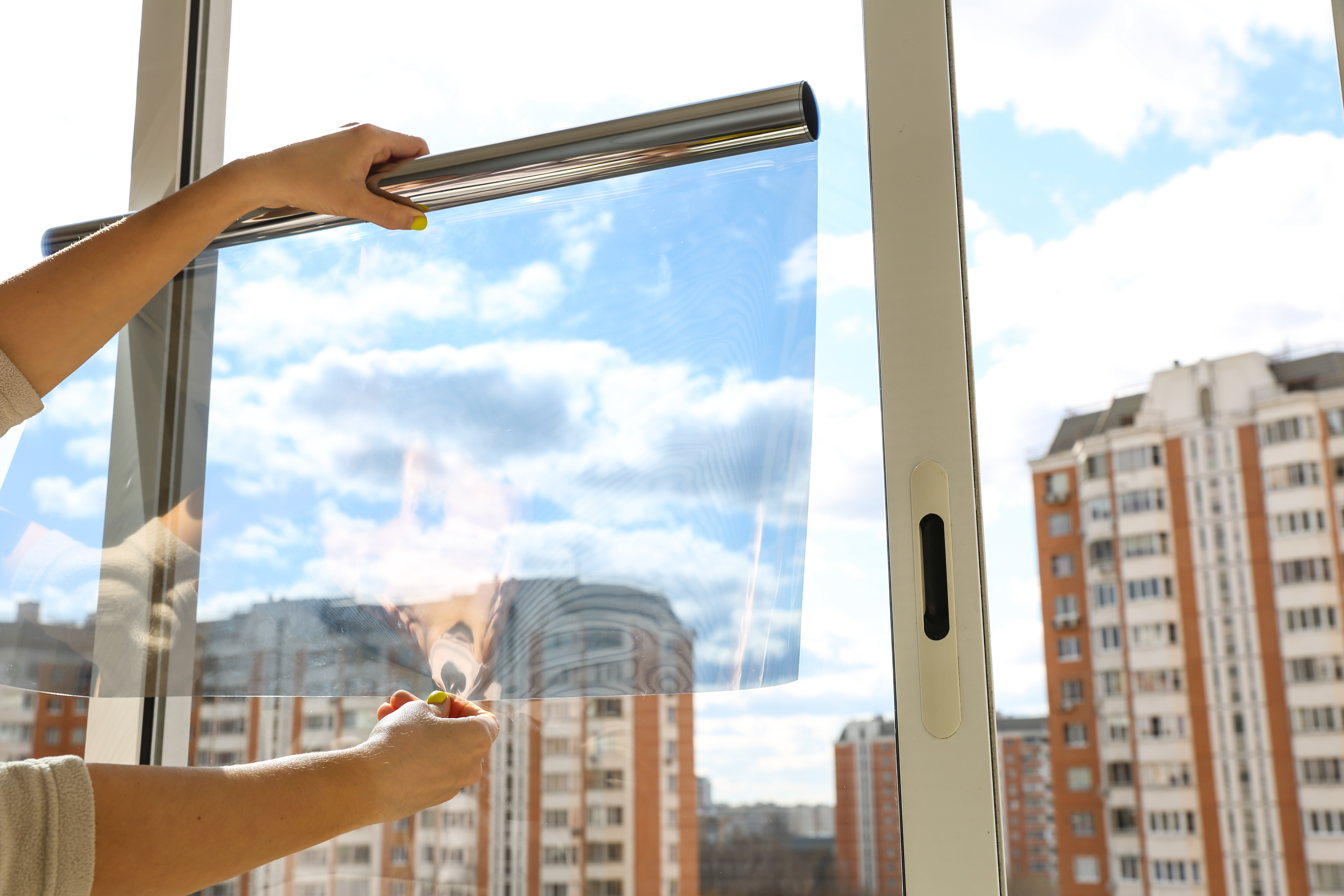
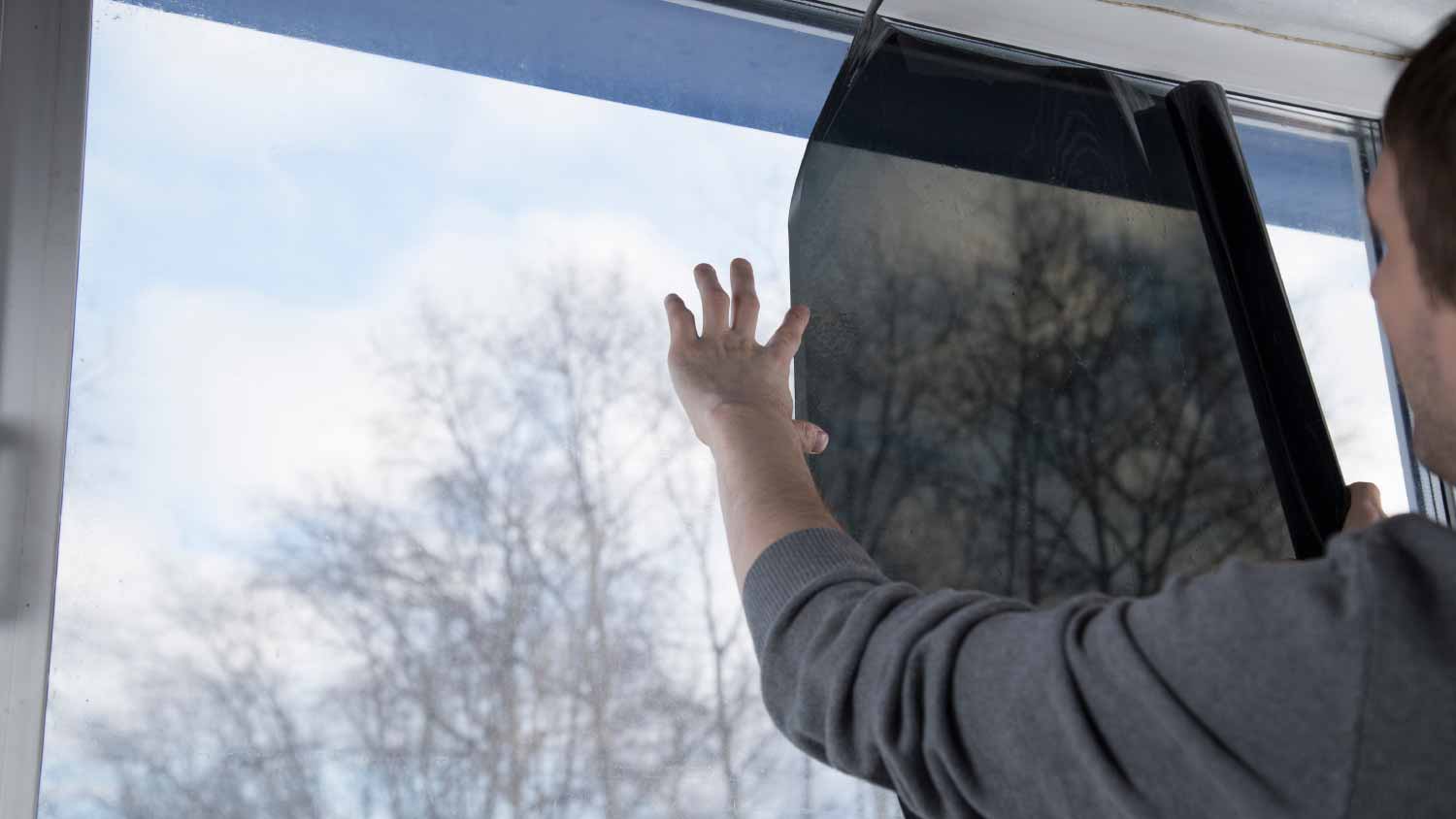
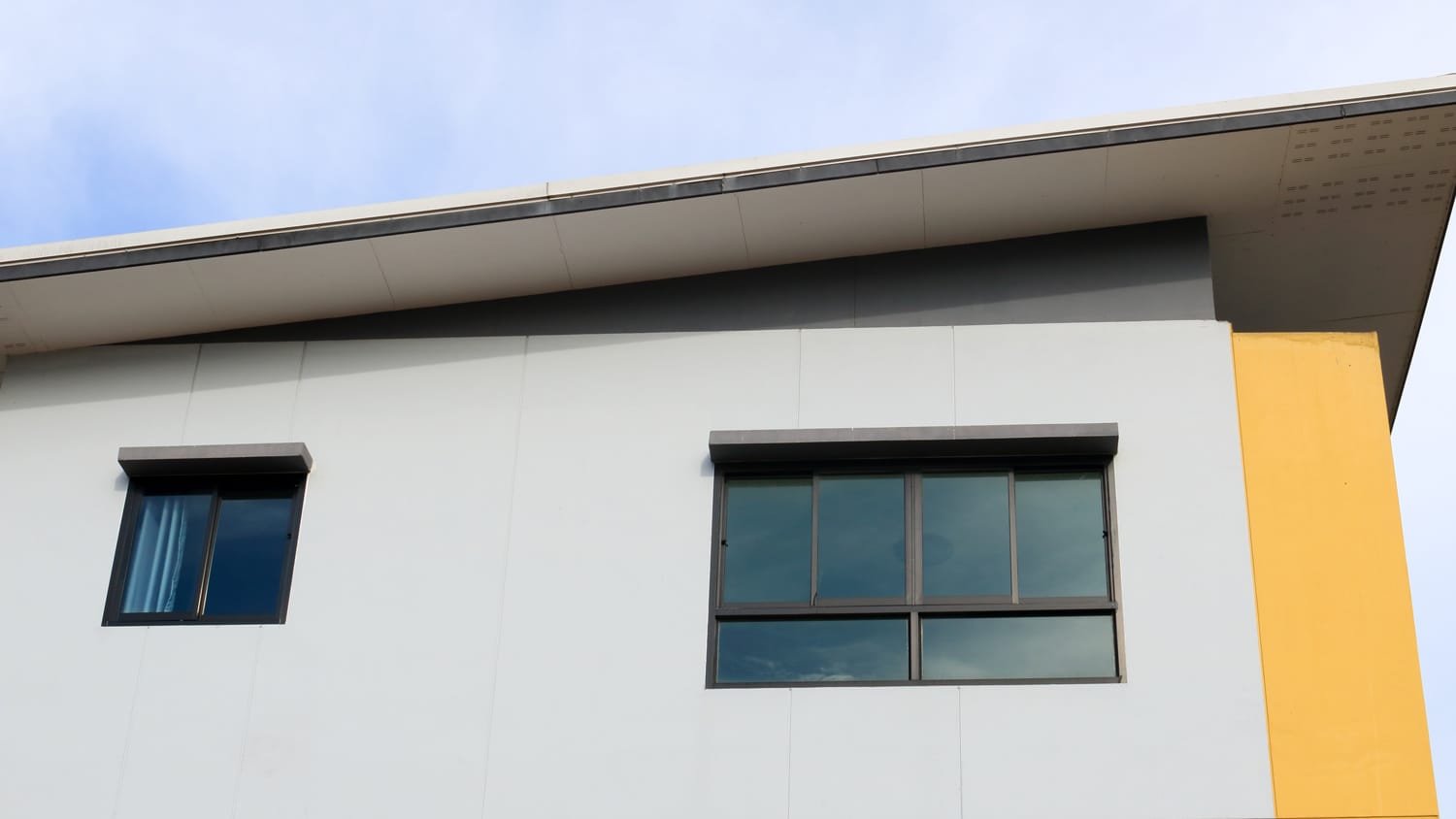
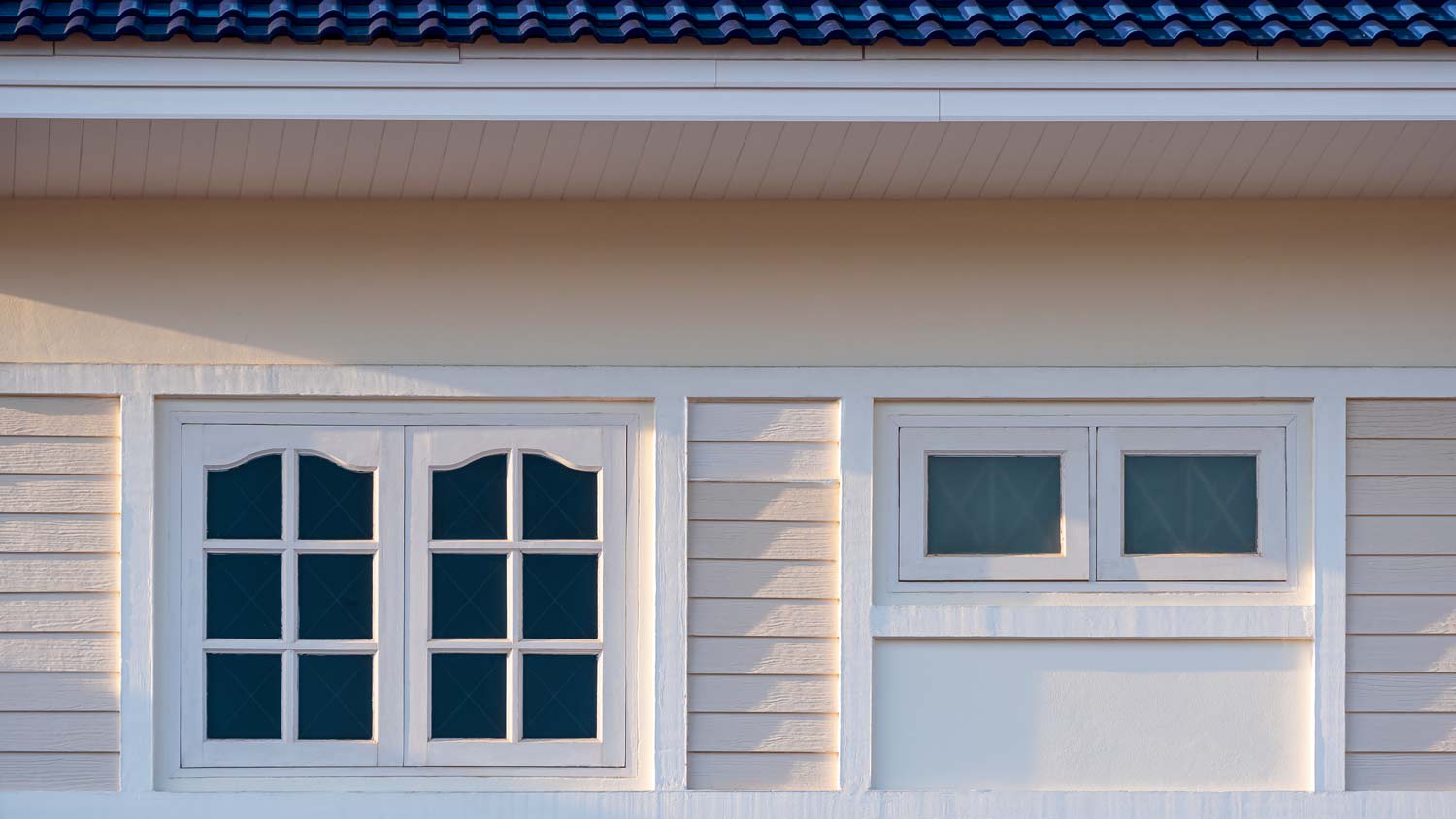
Tinting your windows will make your house darker since it will prevent some sunlight from getting inside. While you can choose a window film that is on the lighter side, there will still be reduced sunlight. If natural light is important to you, tinted windows might not be the best choice for your home.
Your homeowners insurance provider may decrease your premium if you improve the security of your home with window security film. You can contact your insurer to determine whether there will be a change in cost after applying this addition. If there is a decrease in your homeowners insurance premium or deductible, it will likely only be available if your window film is installed by a professional window film installer.
The Rolla, ND homeowners’ guide to window tinting services
From average costs to expert advice, get all the answers you need to get your job done.
Tinting your home’s windows can add privacy, increase energy efficiency, and block damaging UV rays. Find out who tints home windows so you can hire the best.