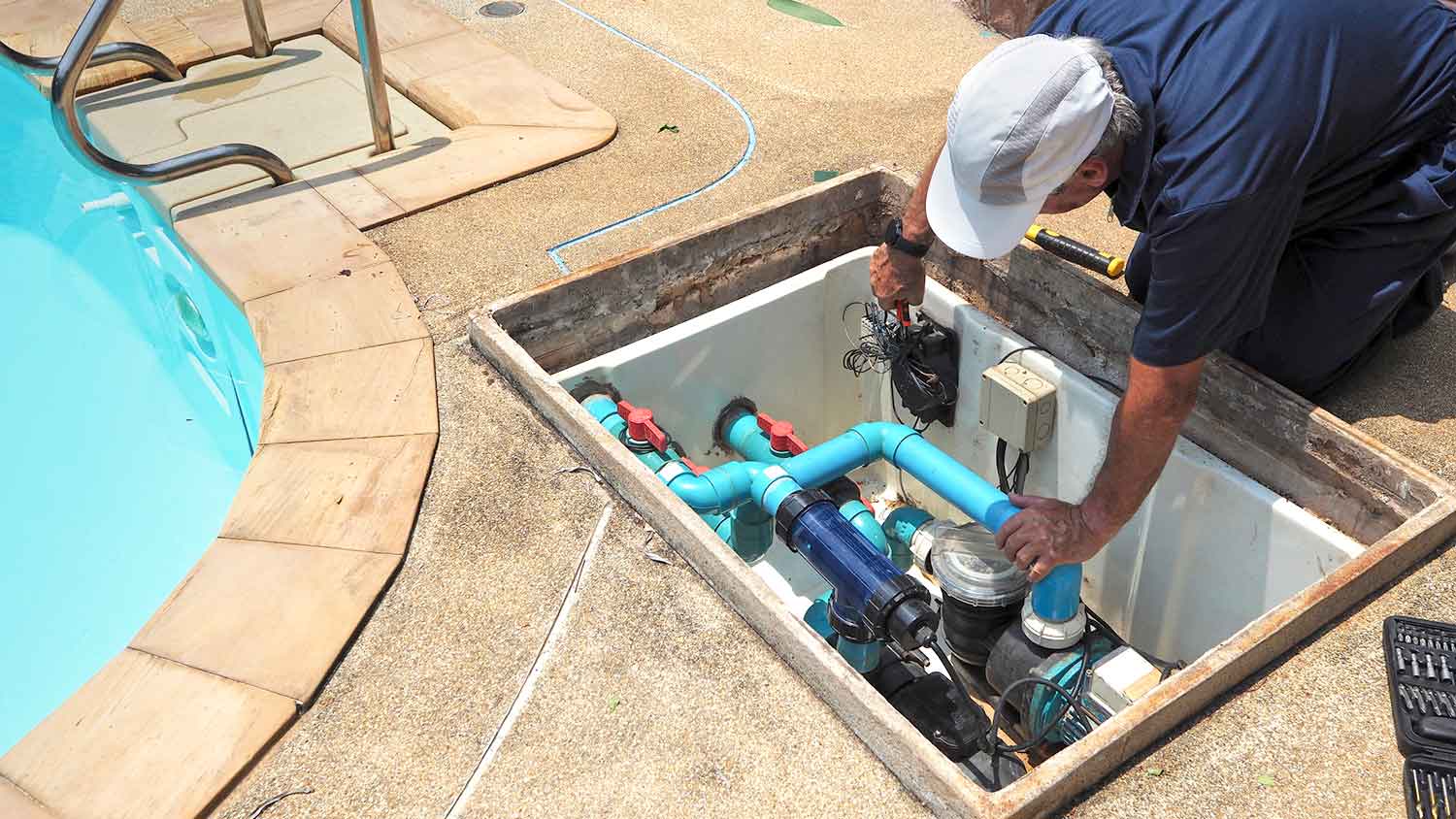
"Well, the first time the replacement was ordered it was the wrong one, which of course, delayed the installation a week. When it was finally installed I had to pay an additional $850 for code upgrades. This I was not informed of by Home Shield. Then we noticed that there was water on the garage floor and found that the pipe coming in from the wall was leaking at the wall so had to call the plumbing company back out to fix it. They first tried to say it was not their fault but since there wasn't a leak before they installed they did fix it. I have used Home Shield a few times before and never had a problem. Some of the companies they use are not the best so you have to research them before you commit. I have found HS service to be good if you do your homework. At the end of the day I was without hot water for almost 3 weeks but it was do to the plumbing company they sent out."

Here at W. Simpson Plumbing Services, LLC, we are a full service plumbing company for both residential and commercial. We are local, family owned and operated, and have a strong focus on customer service. We are fully licensed and ready to take on as much work as possible. Call us today for your free estimate. We look forward to meeting your home's needs.
Pool and Spa Servicing questions, answered by experts
A compact unit designed for two to three people typically weighs approximately 500 pounds in its empty state. On the other hand, a larger hot tub meant for up to six people can weigh around 1,000 pounds when empty. Materials used also impact weight. Less expensive hot tubs are typically lighter because they are made of molded plastic or fiberglass.
Using bubble bath, bath oils, bath salts, or moisturizing products that contain butters or oils can damage your jetted tub. Because of the water pump and jet mechanism, you need to be more selective with products for a jetted tub than you would for a traditional bathtub in order to keep it functioning properly and avoid expensive repairs. These products also leave residue that can feed mildew and mold, so it’s best to avoid them.
Yes, hot tubs can use a significant amount of electricity, primarily to keep the water heated. A typical hot tub uses between 1,500 and 6,000 watts, and the pump can add another 1,500 watts. This usage can result in a monthly cost of around $20 to $30. The exact amount of electricity consumed depends on several factors, including the hot tub's age, size, heater voltage (120V vs. 240V), usage habits, and thermostat setting. Newer, energy-efficient models generally use less power than older ones. To reduce electricity costs, consider investing in an energy-efficient model, using a quality insulated cover with a thermal blanket, and keeping the filters clean.
The cost to repair a hot tub or spa ranges from about $170 to $550, depending on the repairs needed. Some of the most common hot tub repairs include leaks, clogged filters, and tripped GFCI breakers. If it’s an electrical problem, you should contact a professional hot tub repair service. Don’t DIY electrical repairs on a hot tub, as poorly repaired wiring can make the hot tub a serious electrocution hazard.
If water is left inside the hot tub pump over a cold winter, it could freeze and severely damage the pump, water lines, and jets. That can cause leaks, which require very expensive repairs. Freezing or leftover water can stain and damage the hot tub shell, which leads to replacement. Even in mild climates, leaving sitting water in the tub or pipes for a long period of unuse is a bad idea, since disinfecting chemicals fade and the water can develop bacteria, algae, and other big headaches when it’s time to use the tub again.
The Mott, ND homeowners’ guide to pool and spa services
From average costs to expert advice, get all the answers you need to get your job done.
Discover how much pool maintenance costs, including average prices, cost factors, and expert tips to help you budget and keep your pool sparkling all season.
What’s the difference between a swim spa vs pool? Both can be great additions to your property; here’s how to decide which one makes the most sense for you.
If you live in an area without very cold winters but tempted to close your pool during the cooler months, read on. We dive into the many benefits of winter service.