"I only use James when I need some work done to my house. He responds fast, gets the work done quicker than just about anyone else I've ever used and seems very concerned with leaving his customers happy."
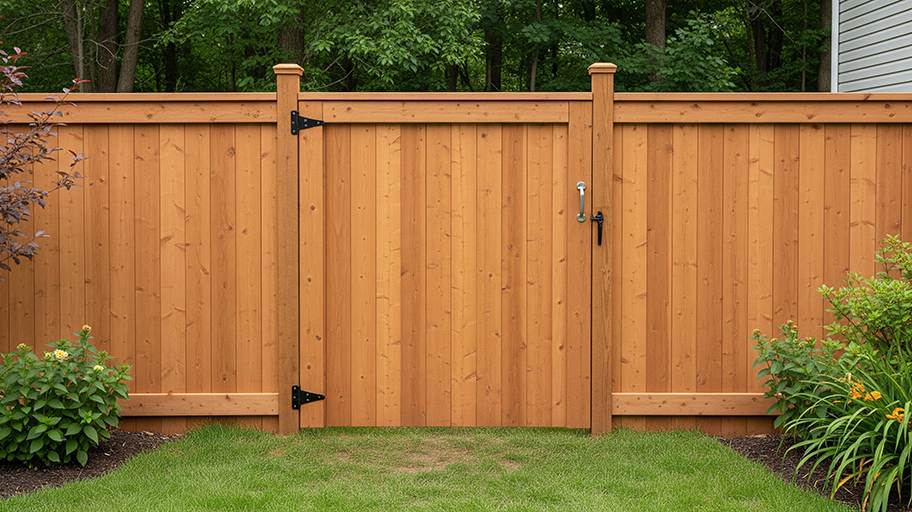
If you only use your gate as a pedestrian, walking through without a vehicle, you’re fine to stick with a single fence gate. If your fence opening needs to accommodate vehicles of any kind, from cars to trucks to 4-wheelers, then a double fence gate will suit the space much better and give you more freedom.
While entryways are seldom added to a house to increase the sale price, they are commonly constructed to increase the livability and enjoyment of a home. So, while they aren’t necessary, they do make for a more comfortable and luxurious-feeling home. Entryways are most valuable in areas of extreme heat, cold, or rain, as the space between the living area and the outdoors helps keep the outdoors outside. Plus, snow, wet boots, and mud are all corralled into one space that’s easy to clean.
A Trex gate costs $750 plus another $200 for the hardware pack necessary for installation. By contrast, Trex fencing ranges in price from $22 to $38 per linear foot, so you may pay a lot or a little depending on just how much space you need to enclose in your yard.
Hiring a reliable gate company starts by finding an installer with at least five years of experience in your area. This method will ensure they understand local laws and regulations and are familiar with the permitting process. You can also ask the following questions to ensure a smooth installation:
Have you worked with my gate material in the past?
Do you have customer references I can call?
Are you fully insured?
Will you pull the necessary permits for the installation?
Do you provide any kind of warranty for the gate’s functionality?
Installation typically takes 1-3 days, depending on the gate type and site conditions.
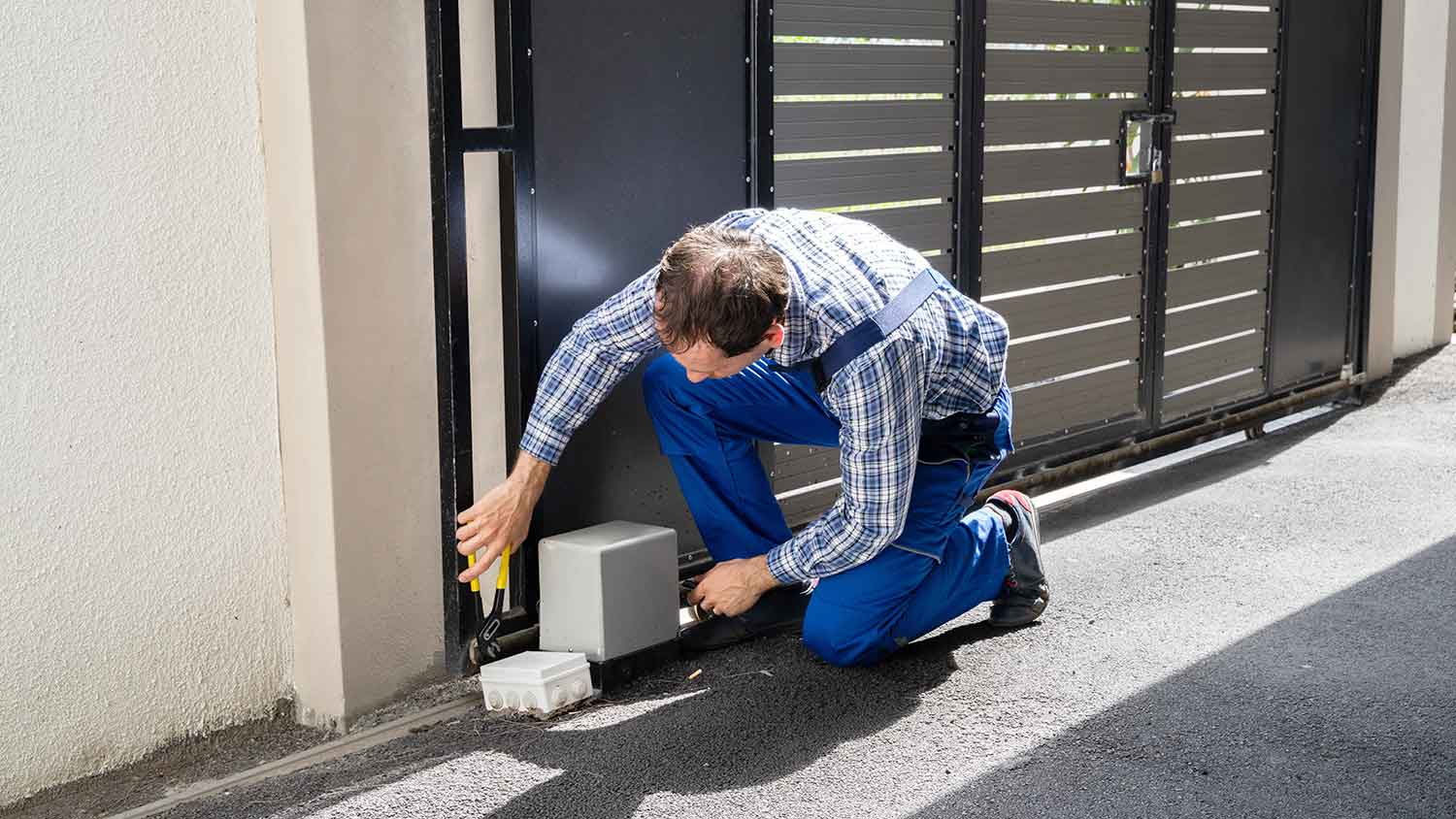
The Mott, ND homeowners’ guide to gate repair services
From average costs to expert advice, get all the answers you need to get your job done.
Gate installation costs depend on the material your gate is made of, and the type of gate you want to install. Explore all the gate installation cost factors in this guide.
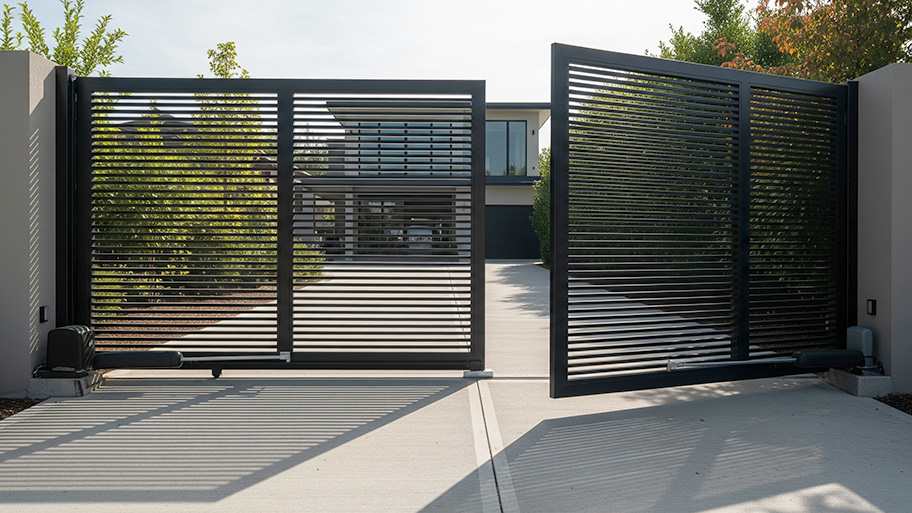
Discover the average automatic gate installation cost, key price factors, and ways to save. Get expert tips for homeowners planning a new automatic gate.
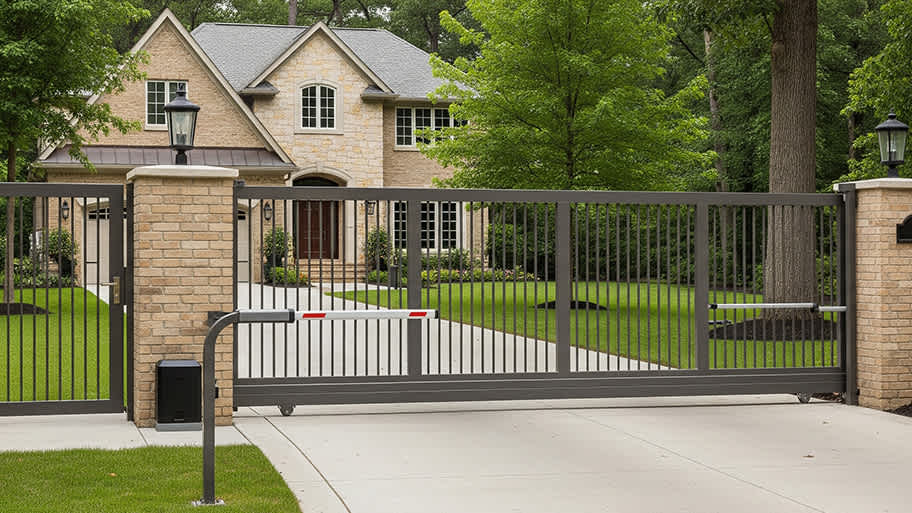
Curious about the parts of a sliding gate and how they operate? We've gathered everything you need to know if you're considering installing or repairing one.
If your gate has significant space underneath, your yard isn’t fully secure. This guide offers three easy methods for how to fix a gap under a fence gate.
Failing hinges, a leaning post, and poor cross supports are potential reasons why your fence gate is dragging. Learn how to keep a gate from sagging with this guide.