




Top-rated deck staining pros.

Get matched with top deck staining pros in Lamoure, ND

Enter your zip and get matched with up to 5 pros

Need a pro for your deck staining project in Lamoure, ND?

Select your specific project to find the pro for you.

Find Deck staining pros in Lamoure

Juan Plasencia
New to Angi
Exterior Home or Structure - Paint or StainExterior Home or Structure - Paint or Stain: LargeExterior Home or Structure - Paint or Stain: Medium

Serving Lamoure, ND and surrounding areas

In business since 2023

Free estimates

Offers commercial services

I pride myself on my professionalism, as well as my ability to complete\nevery job to the homeowner's total satisfaction. I never leave a job\nunfinished, or a homeowner not 100% satisfied with my level of service -\nCall today!

Deck Staining questions, answered by experts

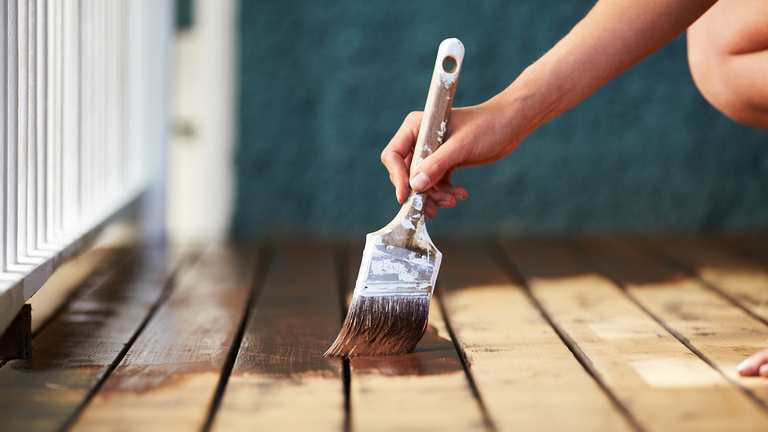
Whether to brush or roll stain on wood depends on the project and your preference. Brushing is ideal for smaller, intricate areas and offers more control over the application, ensuring thorough coverage and penetration into the wood's grain. 

Conversely, rolling is efficient for more extensive, flat surfaces and can save time. However, it is not always the best fit for textured or uneven wood. Some projects may benefit from combining both methods, using a brush for detail work and a roller for broader areas. Ultimately, the choice between brushing and rolling depends on the specific requirements of your staining project.

Limewash and whitewash do not harm surfaces if you apply them correctly. Use on non-suitable surfaces can cause issues. For instance, applying limewash or whitewash to surfaces with existing sealants or incompatible materials may lead to poor adhesion or flaking. Also, harsh cleaning agents on limewashed or whitewashed surfaces can damage the finish. Proper preparation, application, and maintenance ensure that limewash and whitewash do not harm surfaces.

It is not always necessary to remove old stain before restaining a deck. If the previous stain is in good condition and is compatible with the new stain, you may be able to apply a new coat after thorough cleaning. However, if the old stain is in bad condition, flaking, or peeling, it is best to remove it completely to ensure an even surface and proper adhesion for the new coat. Staining over a damaged layer can lead to an uneven finish and poor penetration. For best results, test a small area first and consult the stain manufacturer's guidelines.

Unless you’re using a 2-in-1 formula or painting over an existing coat of paint, it pays to apply a coat of primer ahead of your new paint. Decks see a lot of footfall and exposure to extreme and sudden temperature changes and moisture levels. The primer promotes better paint adhesion, moisture repellency, and a smoother finish, which means you’ll often need fewer coats of paint. 

The need for a topcoat on a painted deck depends on various factors, primarily the type of paint used and your desired level of protection. Many premium deck paint formulations are self-sealing, eliminating the necessity for an additional topcoat. These paints often have built-in additives that substantially protect against moisture, UV rays, and everyday wear and tear.

The Lamoure, ND homeowners’ guide to deck staining services

From average costs to expert advice, get all the answers you need to get your job done.