"The owner followed through with everything he said, the job was done when he said it would be and it turned out great , me and my wife are happy and I would definitely use him again."
UCL Construction, LLC, is North Dakota's premier contracting services. Call today to set up an appointment with our staff. We look forward to your call.
A fireplace is, by definition, an enclosed space where you burn wood or other fuel for the purpose of generating light and heat. A firepit burns wood and is much less expensive to build, but they aren’t technically a fireplace as it isn’t enclosed. An outdoor oven—commonly outdoor brick pizza ovens—often uses wood as fuel, but its primary purpose is to cook food, and you’d rarely just burn wood inside them for warmth or aesthetic reasons.
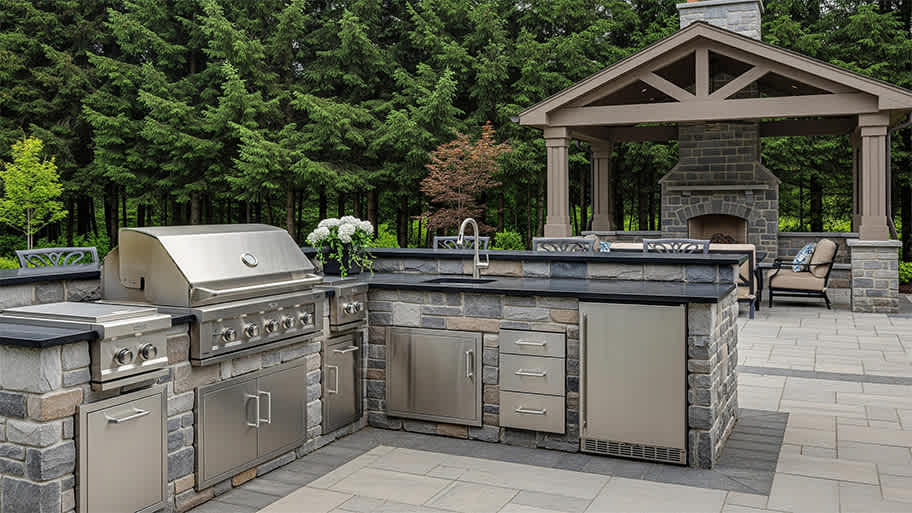
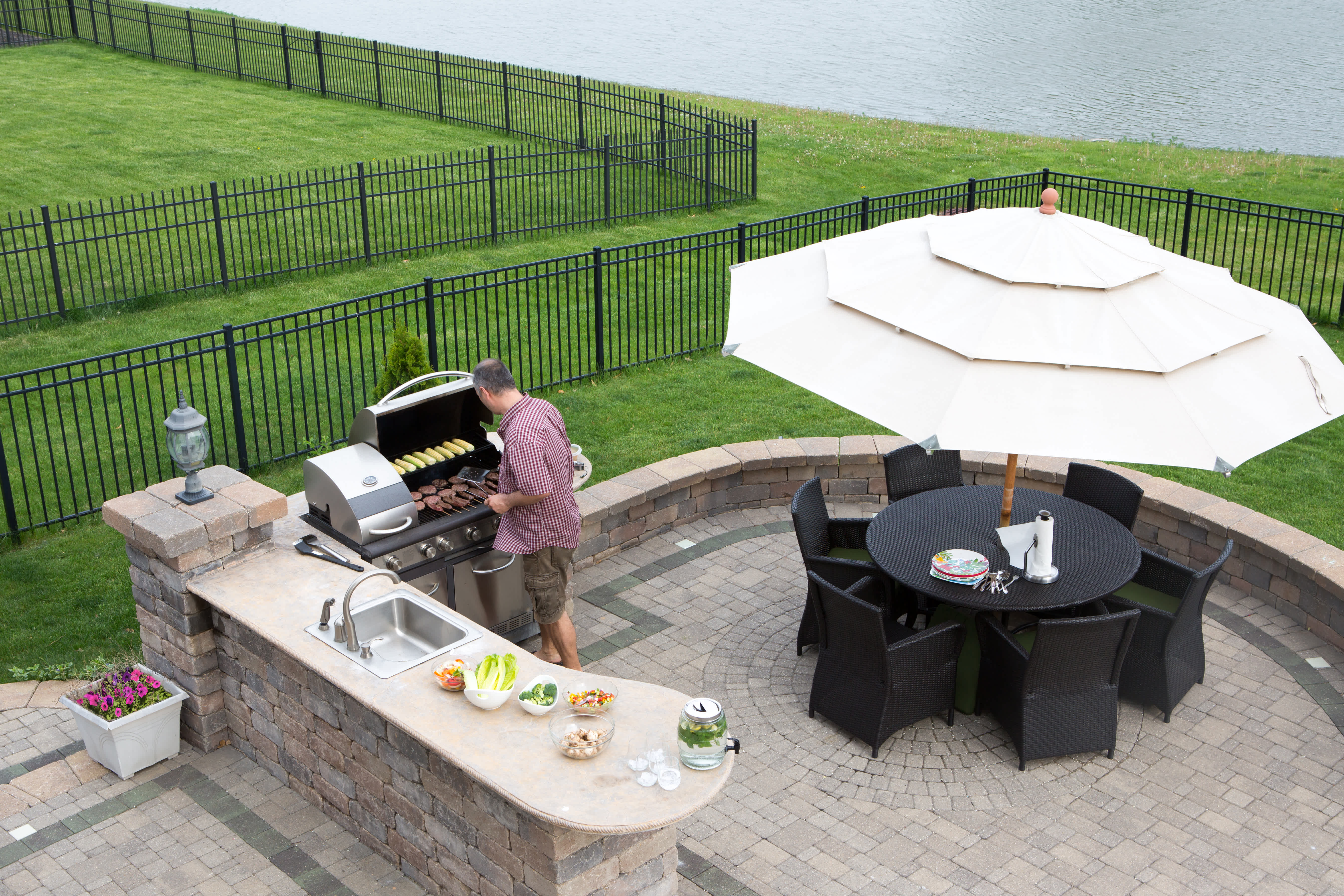
Weatherproofing and winterizing your outdoor kitchen is extremely important, especially if you experience intense weather events. Make sure to choose weather-resistant furniture and waterproof containers to store ingredients. Also, go with a high-quality grill that’s built to last and protect your cabinets with sealant or varnish. Finally, invest in a covering of some kind for when it rains or snows.
In most cases, yes, an outdoor living space adds value to your home. The trick to your best return on investment is to choose high-quality building materials that will look nice and durable without crossing the line into total luxury that becomes cost-ineffective. For example, there’s no need to install marble tiles around your pool, but a durable and aesthetically pleasing deck will go a long way.
Whenever you’re on the hunt for furniture, either indoor or outdoor, start your search at local second hand shops. While they might not always have exactly what you need, even just one deeply discounted chair or table will cut down a lot on your overall expenses. From there, check newsgroups to find free or inexpensive used items. For deals on new items, try discount home and garden retailers.
Pallet wood can withstand all kinds of outdoor weather conditions, which is part of why pallet fences are so appealing to DIY-ers. You can weatherproof the wood further before you paint or stain it, as well. Pallet fences are low-cost, easy to install, and can withstand sun and rain exposure without rotting.
The Killdeer, ND homeowners’ guide to outdoor kitchen services
From average costs to expert advice, get all the answers you need to get your job done.
Discover the cost to build an outdoor kitchen, including average prices, cost factors, and tips to help you plan your project and maximize your investment.
Considering an outdoor kitchen? If you enjoy entertaining loved ones or prefer your meals alfresco, here's how to evaluate if an outdoor kitchen may add value to your home.
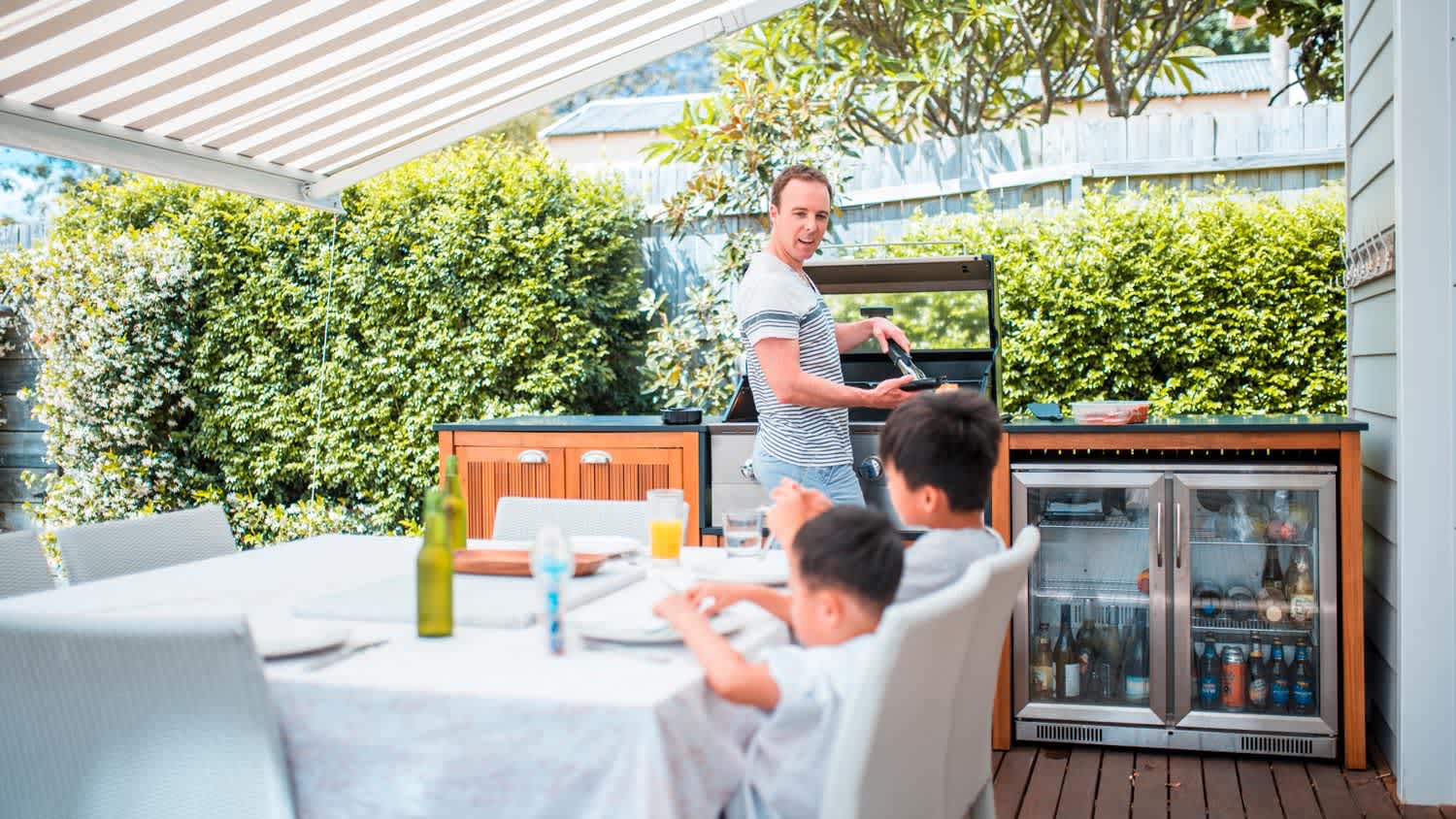
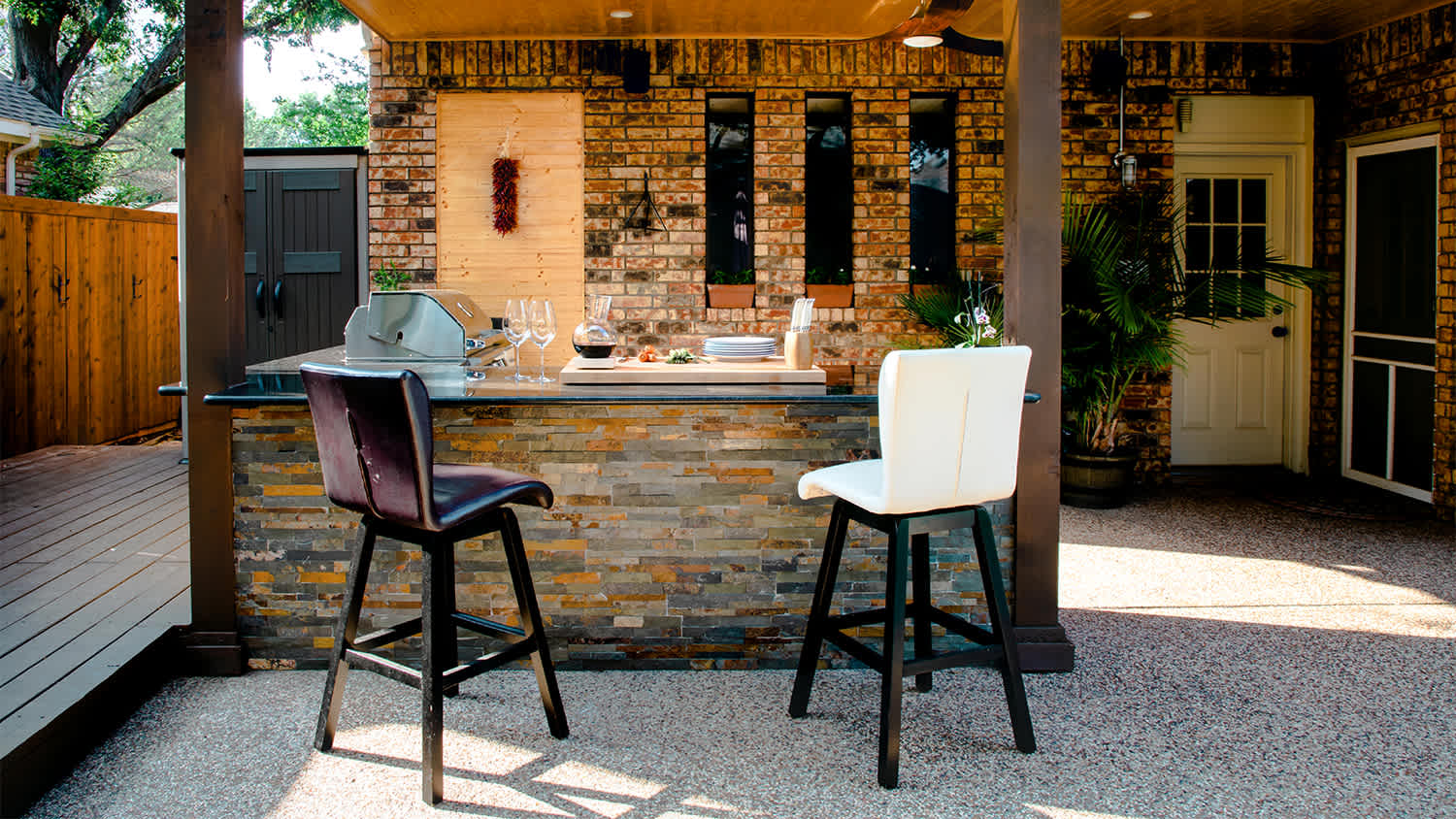
The best outdoor kitchen design ideas are ones that suit your needs. Check out these layouts and design concepts to help you assemble your perfect outdoor kitchen.