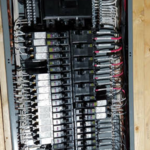
"Aaron the owner came out on a weekend too do a wiring inspection on a house my wife and I just moved into. I made several calls trying too find an electrician and in a timely manner. Several tried to upcharge (and didnâ t know I am a licensed contractor in the state I just moved from. ) He provided not only honest answers but a fair affordable price that I can safely feel confident calling again for any further electrical needs"
With years of experience serving the Dickinson area, we are your solution for all your electrical needs. We take great pride in our extreme professionalism, timeliness and superior customer service on every job. We make sure to develop a lasting relationship so that the next time service is needed there will be no question on who to call. Check out our 5 star reviews from happy customers! Call us today so we can discuss your needs and make a plan that fits your budget. Satisfaction guaranteed!
We take great pride in our experience, expertise, quality and customer service that we provide to meet the consumer's needs. It is our mission to provide excellent workmanship and complete customer satisfaction, from start to completion of a project. In order to understand the needs and expectations of our customers, we take great care to work and communicate with every customer in a professional manner. Our reputation is based on service, safety and quality, regardless of how large or small the job.
Potential benefits of using a natural gas generator include reducing your carbon footprint, lower likelihood of carbon monoxide exposure, budget-friendly operating costs, and low-maintenance, continuous fuel supply. Some possible drawbacks, though, include higher initial installation costs, dependency on a natural gas supply, and installation complexity. Keep in mind that pros and cons will vary based on the type and brand of natural gas generator.
You may need a permit for a portable generator if you’ll be installing a transfer switch for your primary residence or similar work. Otherwise, a permit for other uses may not be necessary. Check your local building codes or ask a local generator installer for more information about your local regulations.
A 10,000-watt generator can run a small to mid-sized central AC unit (typically up to 3 tons or 36,000 BTU) along with a few other appliances. However, larger AC units or additional loads will require a bigger generator. Consult a local generator installer to ensure you add the correct size generator to your home.
Most homeowners won't be able to claim a home generator as a tax write-off. However, a whole-house generator may be tax-deductible in certain situations depending on its purpose. For instance, if it's needed to power essential medical equipment, it may qualify as a medical expense deduction. Also, in some cases, businesses can deduct a generator as a business expense if it supports operations. Always consult a tax professional to determine eligibility based on your specific circumstances and the applicable IRS regulations.
While diesel is relatively stable, it won’t last nearly as long as propane and you may have to replace it if it sits unused for too long. Diesel can sometimes struggle to work efficiently or start engines during especially cold weather, so it’s not the best choice for every climate. Compared to fuels like propane and natural gas, diesel generators tend to be noisier and create more exhaust, which isn’t always ideal for home use.
The Crosby, ND homeowners’ guide to generator installs
From average costs to expert advice, get all the answers you need to get your job done.
Natural gas generators are whole-home standby generators that are connected to your home’s natural gas line. The average cost for a natural gas generator is $12,000.
Generators should give you peace of mind, but you’ll only get that if your installer knows what they’re doing. Learn how to hire a pro and what red flags to look for.
Thinking about a generator installation? Learn about backup power options, costs to expect, and how to hire the right local pro to keep your home running.