



Top-rated lead testing and removal specialists.

Best lead testing and removal specialists near Wentworth, NC

Enter your zip and get matched with up to 5 pros

Need a pro for your lead testing and removal project in Wentworth, NC?

Select your specific project to find the pro for you.

Top-Rated Lead testing and removal specialists in Wentworth - Updated Nov 2026

Avatar for Aerus of Greensboro
Aerus of Greensboro
5.0(
11
)
Toxic Lead - Testing

Serving Wentworth, NC and surrounding areas

Approved

In business since 1924

Free estimates

Credit card accepted

"Brad was very personable and thorough with his explanation of how the system worked. I appreciated that he took the time to explain how exactly the system worked for our home. I felt he really listened to what our specific needs were and that it was for the long-term. We had been given a quote of $5,900.00 to clean our A/C and ductwork, and we weren't told it was just a short term solution. We actually wound up saving money, and for that, I am especially thankful. Customer service is very important to us and we look forward to working with your company for many years to come. Will we recommend your service? Absolutely! Many thanks from Marge and Roger Lessard."
Additional Photos
Additional Photos
Additional Photos
Additional Photos
Additional Photos

+8

Response time1 day
Response rate100%
10 neighbors recently requested a quote

Lead Testing and Removal FAQs, answered by experts

Some causes of brown well water—like excess tannins or dissolved iron—don’t pose a health risk. In other cases, harmful bacteria might be the culprit. If your well water has suddenly turned brown, it’s a good idea to use a home water test kit to get a better sense of what’s going on with your water. Consider calling a professional for an expert opinion before drinking the water and hoping for the best.

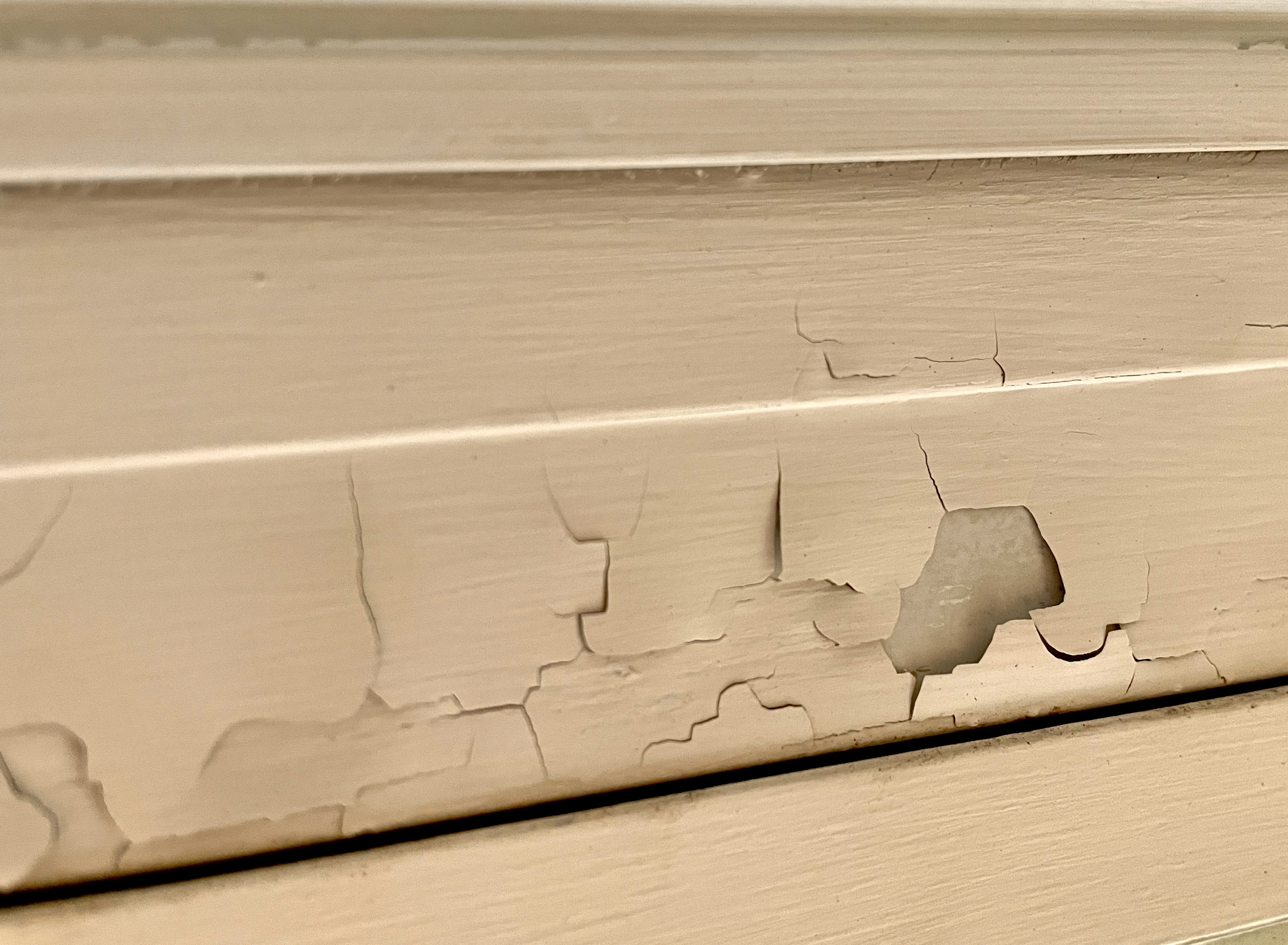
If your house was built before 1978 and you’re noticing cracking or peeling paint, a lead paint inspection is a good idea. A lead paint inspection gives you accurate information about the presence, location, and condition of lead-based paint in your home. This information is essential for making informed decisions about lead paint removal to ensure your safety and health and that of your family. If your inspector finds lead, you’ll need to take steps to manage or remove the lead-based paint and comply with laws and regulations.

According to the Environmental Protection Agency (EPA), hazardous waste is generally classified into four main categories:

1. Characteristic Wastes: These exhibit at least one of four hazardous traits: ignitability (flammable, like gasoline), corrosivity (can rust or decompose materials, like car batteries), reactivity (unstable and can explode, like aerosol cans), or toxicity (harmful when ingested, like lead-based paint).

2. Listed Wastes: These are specific wastes from manufacturing and industrial processes that the EPA has officially designated as hazardous. They include byproducts from processes that use solvents, pesticides, and other chemicals.

3. Universal Wastes: These are commonly generated hazardous items that are subject to streamlined regulations. Examples include batteries, pesticides, mercury-containing equipment (e.g., bulbs), and some lamps.

4. Mixed Wastes: This category includes waste that contains both hazardous and radioactive components, making it subject to regulation by both the EPA and the Nuclear Regulatory Commission.

Lead exposure poses significant health risks, including neurological, developmental, and behavioral disorders, especially critical in young children and fetuses.

Results from professional lead testing are typically available within a few days to a week (2-7 days), depending on factors like laboratory processing times and the volume of samples being analyzed. Expedited services may also be available for urgent situations.

The Wentworth, NC homeowners’ guide to lead testing and removal services

From average costs to expert advice, get all the answers you need to get your job done.