

Top-rated lawn care providers.

Best lawn care providers near Seaboard, NC

Enter your zip and get matched with up to 5 pros

Need a pro for your lawn service project in Seaboard, NC?

Select your specific project to find the pro for you.

TRUSTED BY SEABOARD, NC HOMEOWNERS

  • Average homeowner rating star icon4.7
    Average homeowner rating
  • Verified reviews icon29
    Verified lawn services reviews

Top-Rated Lawn care providers in Seaboard - Updated Nov 2026

Avatar for TruGreen
TruGreen
3.1(
2,962
)
Lawn Care - Aerate a LawnLawn Care - Fertilize or Treat a Lawn

Serving Seaboard, NC and surrounding areas

Approved

In business since 1974

Free estimates

Warranties offered

"I think they treated the wrong lawn. The note they sent me via text message referenced trees and shrubs in my yard, I have none. They also did not leave a yard marker showing they had been there. Otherwise, this would have been a 5 star review."
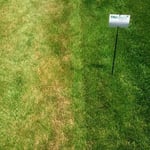
TruGreen Treated vs Non-Treated
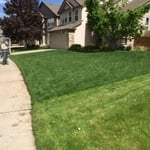
Enjoy Your Lawn at it's Fullest Potential
TruGreen Treated vs Non-Treated
TruGreen Lawn
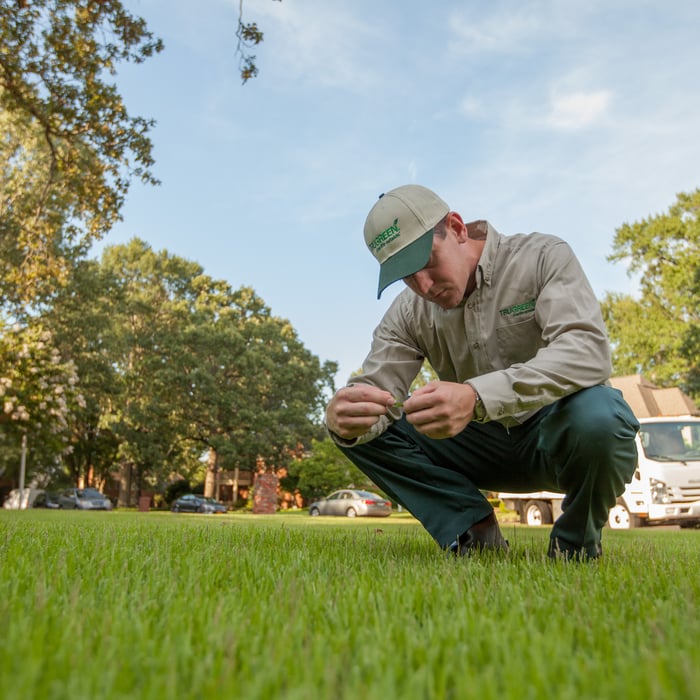
TruGreen Healthy Lawn Analysis

+4

Recommended by76%of homeowners
...
Showing 1-10 of 130
Lawns FAQs, answered by experts

It may sound icky, but yes, urine encourages microbial activity that breaks down organic matter faster. It’s rich in nitrogen, which helps balance carbon-heavy materials like dry leaves or straw. Use sparingly and apply it to a well-balanced pile, not one already high in nitrogen. 

If your dog always does their business in the yard, daily poop pick-up makes sense. The nitrogen in the poop can start making its way into the grass and surrounding soil quickly, a rain shower can send the waste into waterways, and less poop lying around means less chance of stepping on it accidentally. 

A pre-emergent herbicide is the most effective way to avoid stickers growing in your yard. However, if some manage to make it through, a post-emergent herbicide is the most effective way to kill them. However, environmental concerns exist when using chemicals on a lawn. Try vinegar or baking soda applications to kill sticker plants for a more natural yet still effective method.

It’s unlikely your leaves are a hazard, especially if you get to them while they’re dry. However, a couple of rare risks exist. University studies suggest that decaying leaves can produce organochlorines, toxic pollutants similar to man-made PCBs (polychlorinated biphenyls), so avoid keeping them in an enclosed area.

Also, leaves and compost may cause the growth of fungi that can cause diseases like histoplasmosis and aspergillosis, as well as mold spores that are unhealthy for human lungs. Again, severe issues are rare, but those with compromised immune systems or allergies to mold should wear face masks when directly handling leaves.

The time it takes for leaves to decompose can range from six months to three years. Key factors influencing the decomposition rate include water, sunlight, and heat, so local weather conditions play a significant role. Decomposition will take longer for thick, matted layers of leaves. To speed up the process, you can mulch the leaves, as smaller pieces break down faster. Spreading large piles into thinner layers to increase exposure to sunlight and water also helps accelerate decomposition.

The Seaboard, NC homeowners’ guide to lawn services

From average costs to expert advice, get all the answers you need to get your job done.