Allen's Siding & Windows, Inc., is a Full Service,Owner Operated Company for over 17 years in complete exterior home improvements from custom design additions, sunrooms, patios, and decks to complete siding and window installations and repairs as well as all exterior window treatments including custom shutters and awnings. We specialize in ALSIDE ULTRAMAX Windows, which have been energy star partner for 3 years running. We work with you from start to finish with complete client focus, and professional personalized service giving superior craftsmanship with attention to each detail to ensure we create the vision you have for your home. Hire The Contractor not a Salesman. Please see our website at www.sydngys.com
No, your deck will not rot under artificial grass as long as it is installed properly. When installed correctly, the artificial grass features a drainage system that prevents rotting. Simply laying artificial grass on top of the decking without proper installation will not lead to an effective drainage system that prevents rotting.
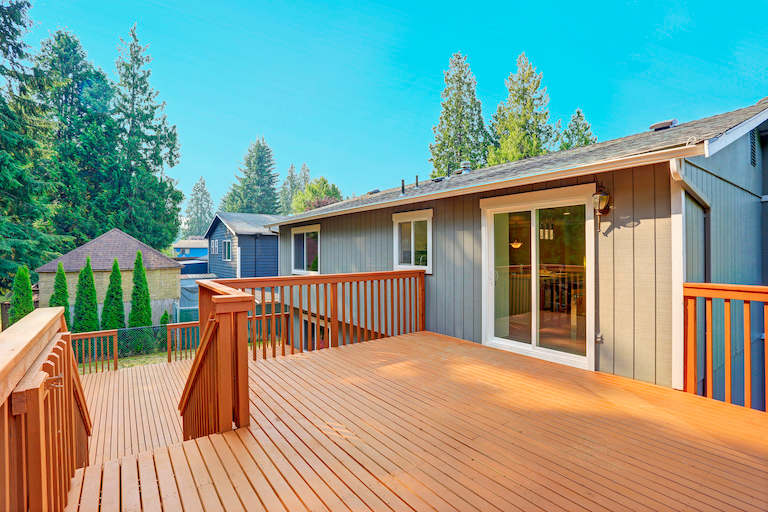
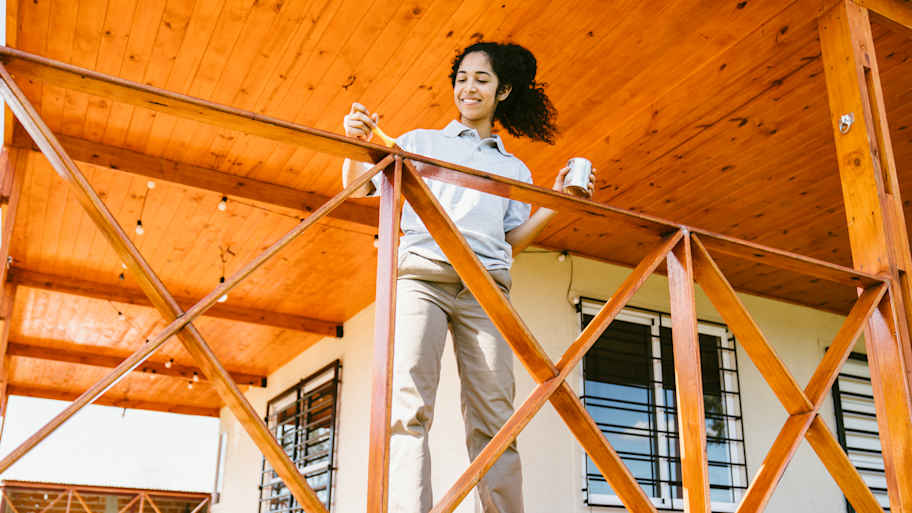
Yes, adding railing to a deck is a great way to improve safety and your home’s aesthetic appeal. Railings can be constructed from wood, metal, or composite, and there are plenty of choices regarding design and style. Always consult local building codes before starting any building project—there are often requirements regarding spacing and height that can differ slightly from place to place.
Unless you’re using a 2-in-1 formula or painting over an existing coat of paint, it pays to apply a coat of primer ahead of your new paint. Decks see a lot of footfall and exposure to extreme and sudden temperature changes and moisture levels. The primer promotes better paint adhesion, moisture repellency, and a smoother finish, which means you’ll often need fewer coats of paint.
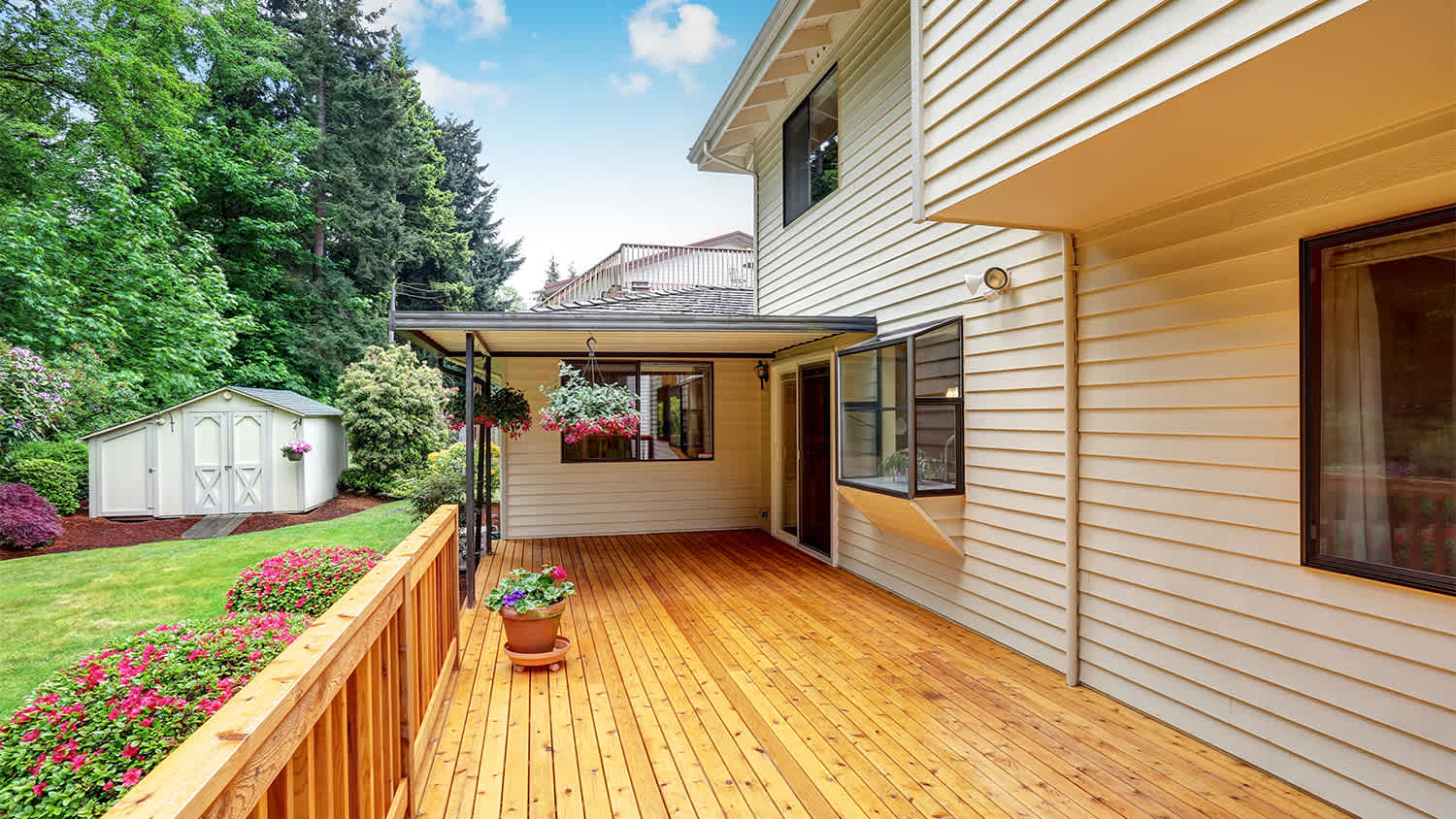
Materials for a second-story deck must be weather- and rot-resistant, though the specific choices will largely be determined by your budget and style preference. Pressure-treated wood is on the lower end of the price scale, but it can be customized and stained the way you like it. Composite, on the other hand, is pricier for installation and has fewer options for customization, but you’ll save money and time in the long run because it requires little maintenance.
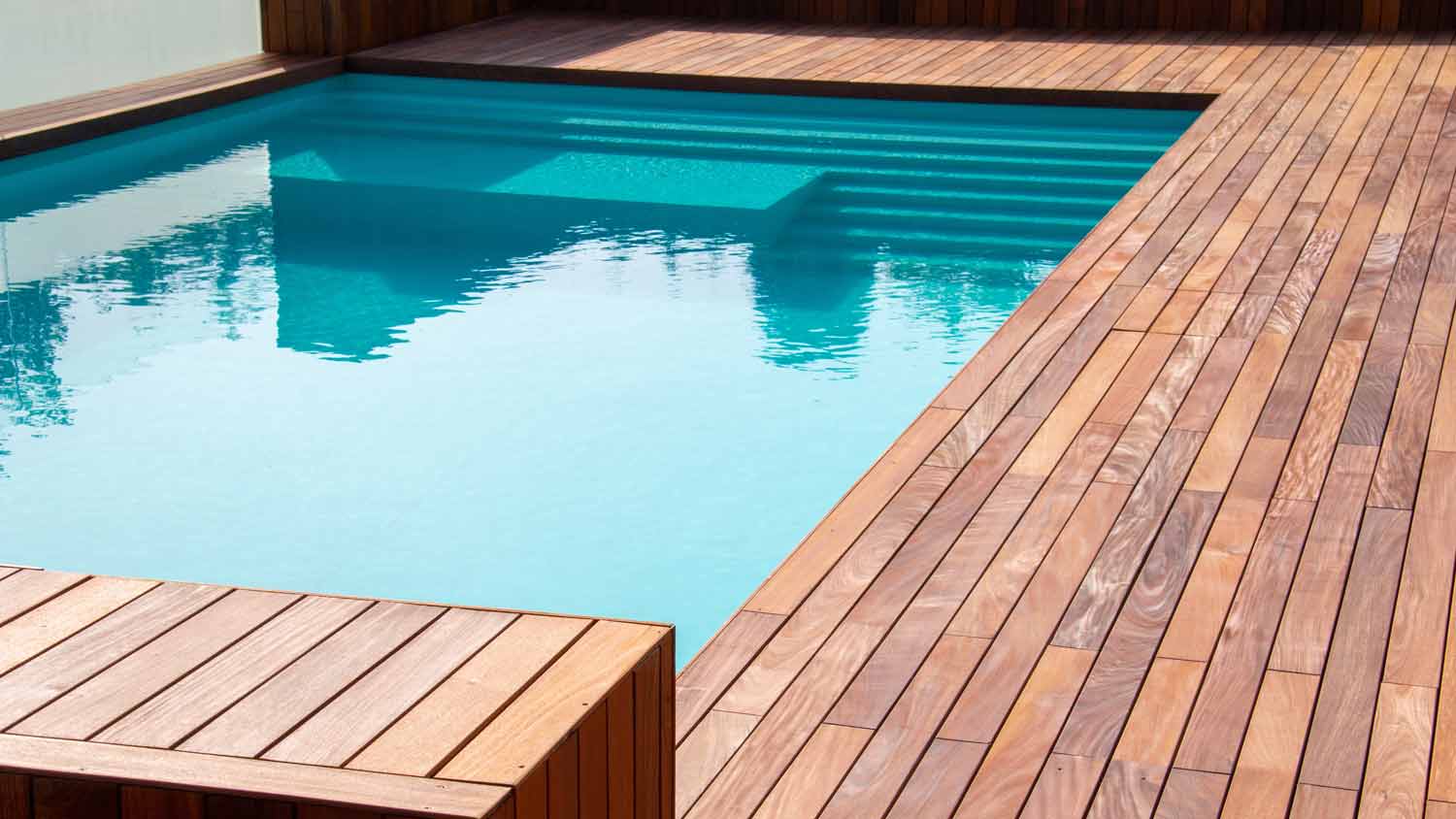
Choices include wood, composite, and hardwoods, each with unique benefits.
The Scobey, MT homeowners’ guide to deck repair services
From average costs to expert advice, get all the answers you need to get your job done.
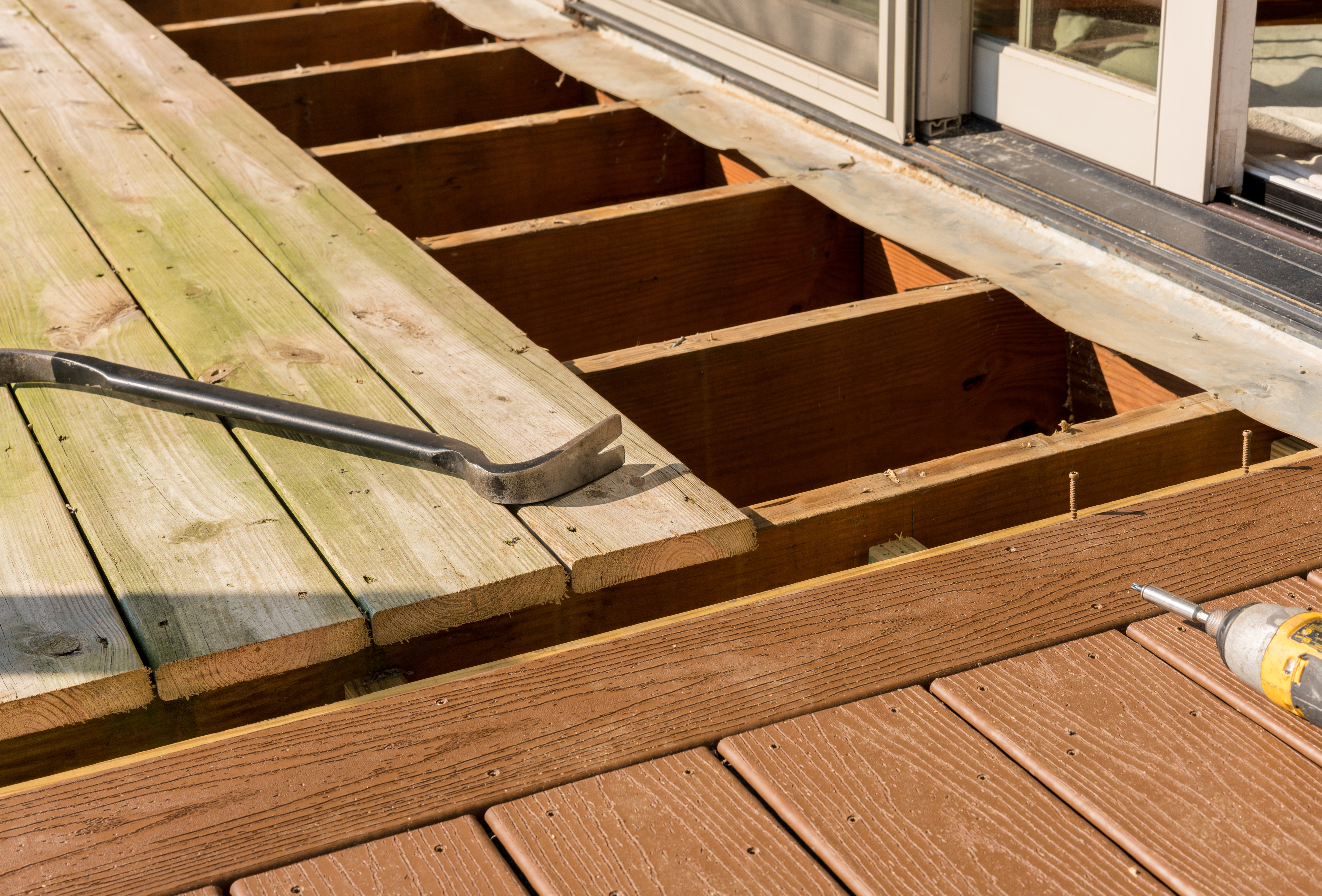
Deck replacement costs depend on materials, any structural damage you need to fix, and more. This guide explores how much it costs to replace or repair a deck.
Refinishing your deck is a great way to restore its appearance and fall in love with your outdoor space. Use this guide to learn how much it costs based on factors like size and type.
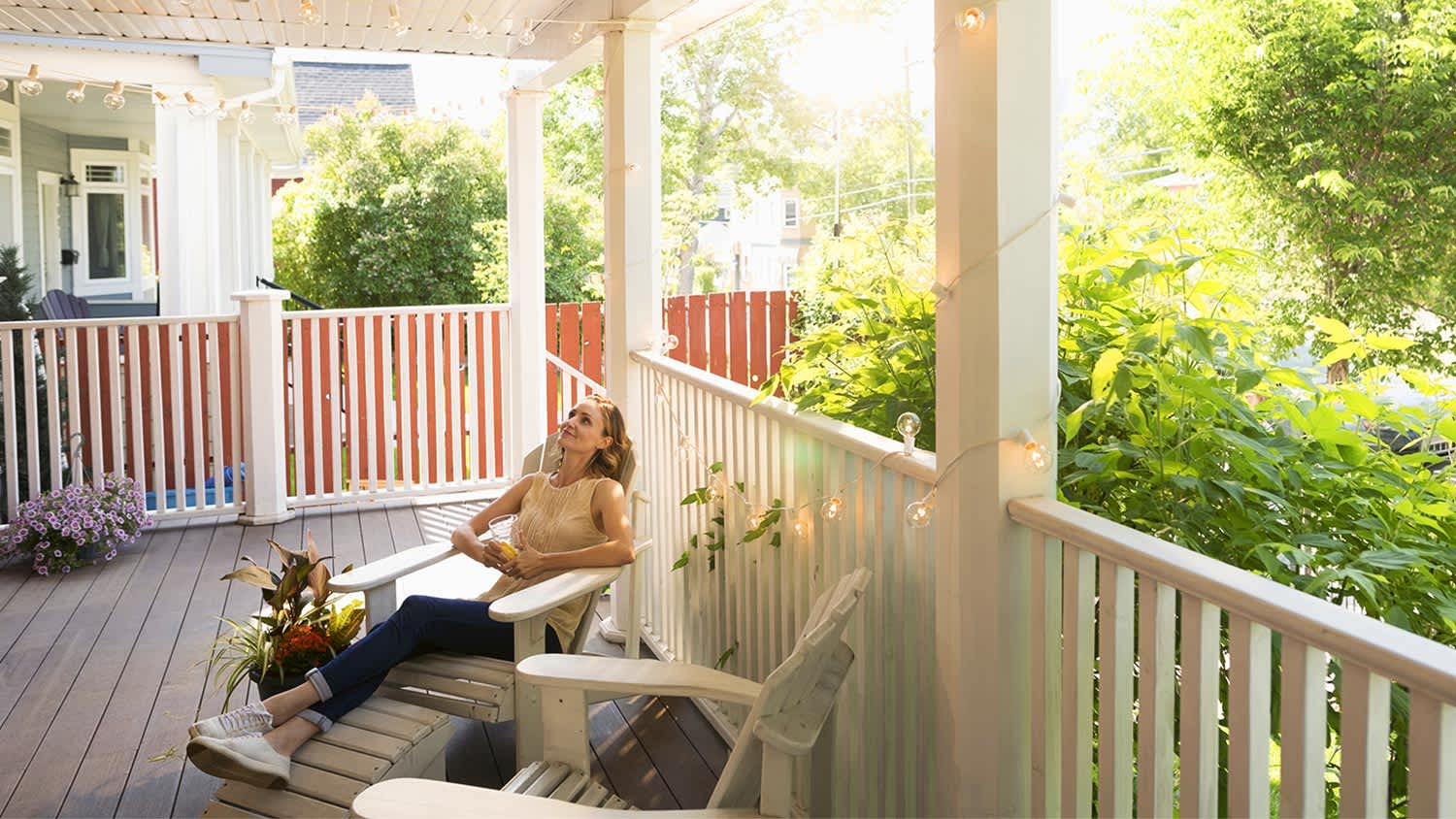
Old and run-down porch railings can be an eyesore and pose a risk of falling. Find out how much it costs to replace your worn out porch railings with new materials.
If your deck is in bad shape, this deck repair checklist will help you inspect, clean, maintain, and repair it without missing any vital steps in the process.