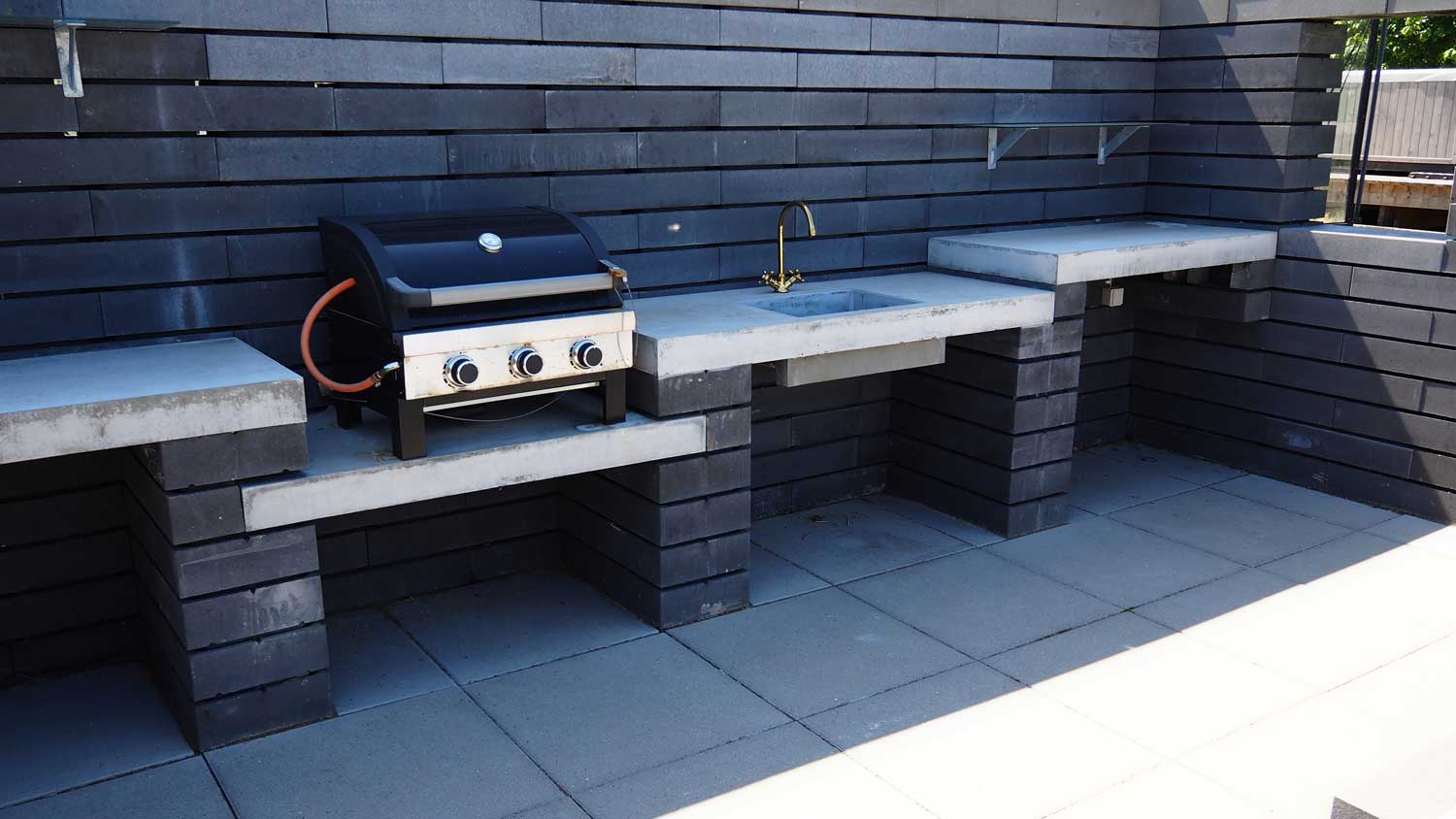
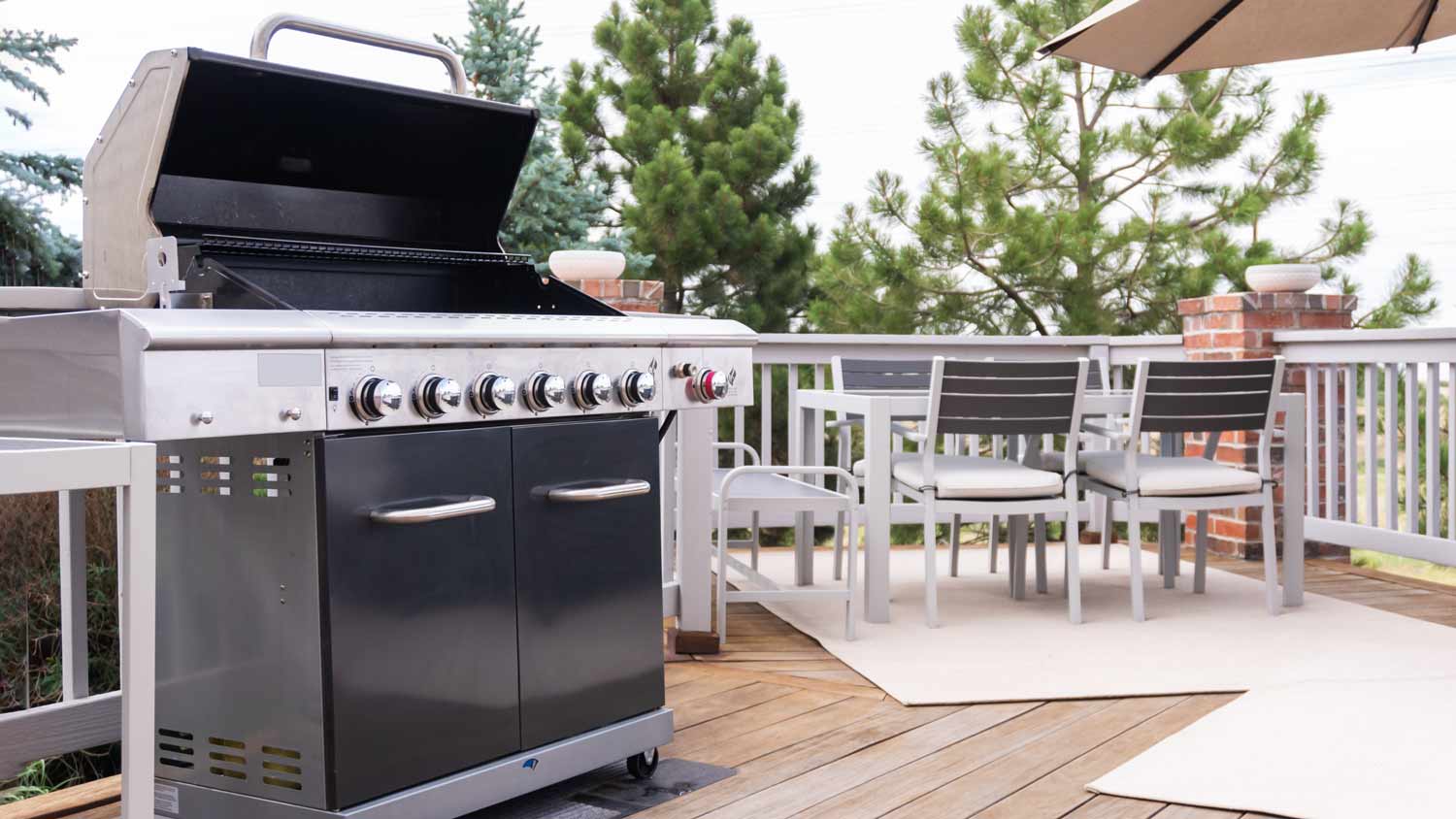
Safety steps include proper vent installation, connector tightness, and leak testing. A safe environment must be maintained throughout.
Most likely, a gas plumber would be the best pro for many components in your home, and you might not even realize it. Natural gas plumbers are responsible for maintaining and installing natural gas lines, including installing appliances that use natural gas. These can include:
Fireplaces
Water heaters
Furnaces
Hot tubs
Clothes dryers
Ovens
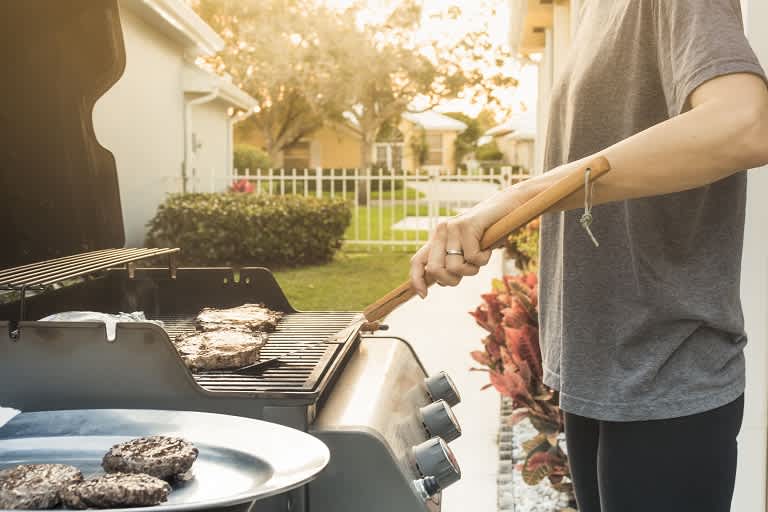
Outdoor grills
Gas plumbers are also the pros that would handle a natural gas leak in your home, so it's essential to know the signs of a gas leak before it becomes a dangerous situation.
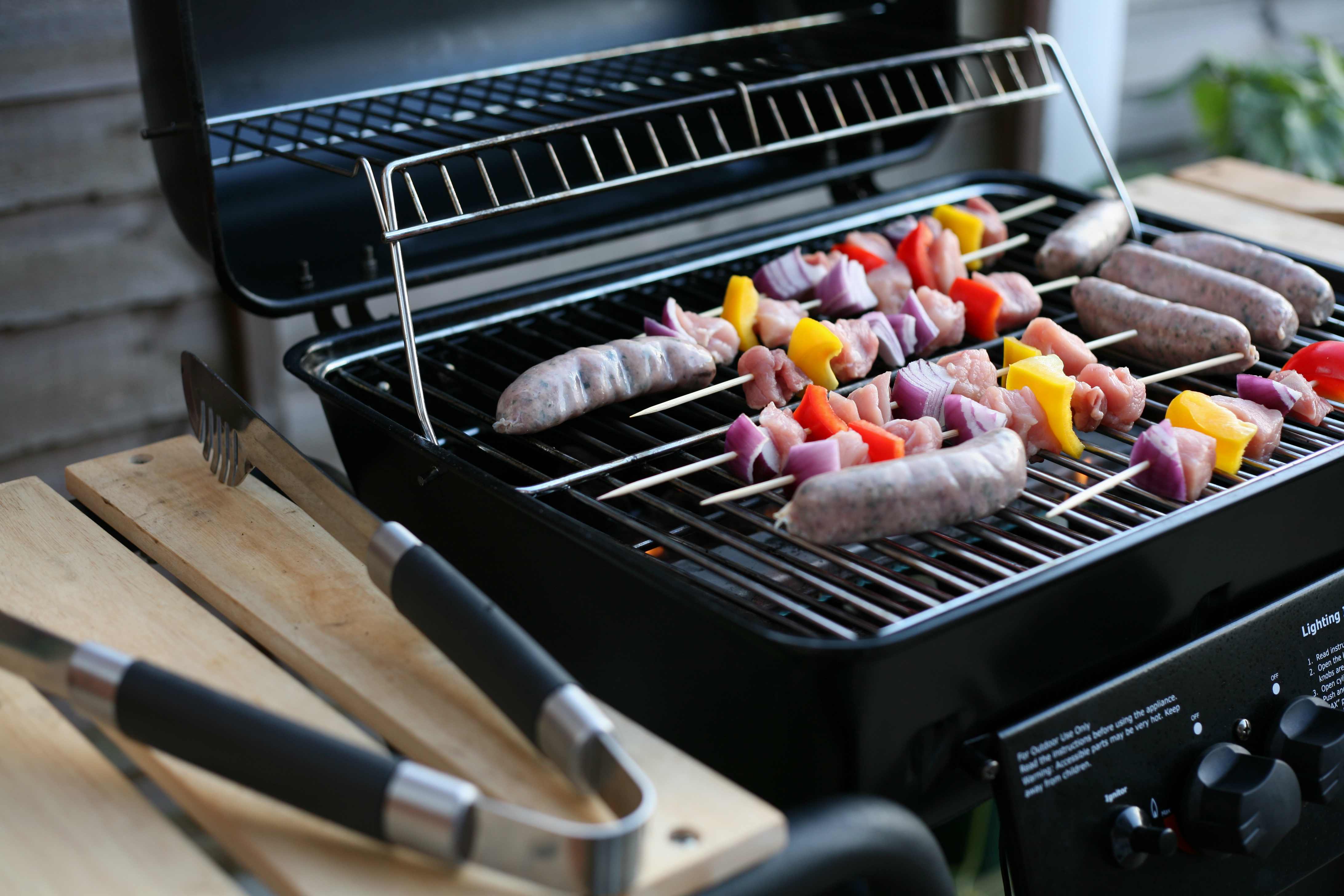
On average, a gas grill can last from five to 15 years. The exact lifespan depends on several factors, including the brand and quality of the grill, frequency of use, and whether the gas line is buried or above ground. With proper maintenance and care, such as regular deep cleanings to remove food, grease, and carbon deposits, a grill's life can be extended. Protecting the grill from the elements with a cover can also prevent rust and reduce the need for repairs. Most grill manufacturers also offer extended warranties, which vary in coverage and terms.
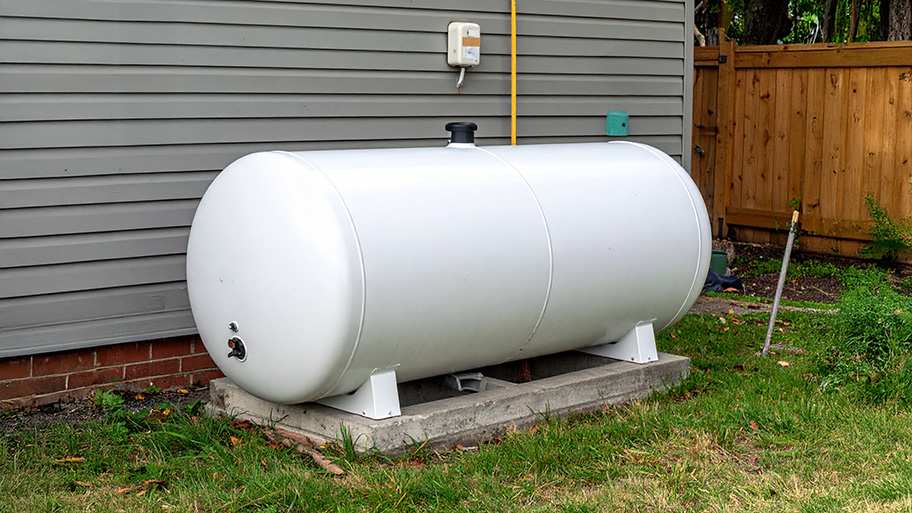
The most significant benefit of having a gas grill over a propane grill is that you never run out of fuel unless there’s an outage in your area, which is rare. Unlike with a propane grill, you’ll never need to haul tanks back and forth to a local fill station, and you’ll never find yourself unable to use your grill because you forgot to refill your tanks. Gas grills also burn slightly cleaner than propane grills, and natural gas costs significantly less than propane, meaning it’s more affordable to run your grill.
Built-in gas grills typically have a life span of 10 to 15 years. However, their longevity can vary based on quality, usage frequency, climate conditions, and maintenance routines. High-quality models made from durable materials tend to last longer. Additionally, regular cleaning, covering the grill when not in use, and conducting routine maintenance tasks such as cleaning burners and replacing worn-out parts can extend its life. A well-maintained built-in gas grill can provide excellent performance and memorable cooking experiences for a decade or more, making it a worthwhile investment for outdoor cooking enthusiasts.
The Savage, MT homeowners’ guide to grill assembly services
From average costs to expert advice, get all the answers you need to get your job done.
Planning a new outdoor cooking space? Learn everything you need to know about gas grill installation costs, setup options, and how to hire a local pro.
Don’t leave your grill behind when moving house. Learn how to move a grill safely so you can enjoy a home-cooked meal on your first night in your new place.