





Top-rated landscapers.

Get matched with top landscapers in Saint Ignatius, MT

Enter your zip and get matched with up to 5 pros

Need a pro for your landscaping project in Saint Ignatius, MT?

Select your specific project to find the pro for you.

Find Landscapers in Saint Ignatius

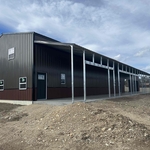
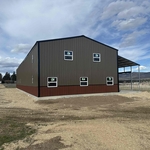
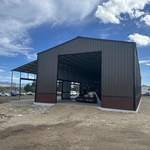
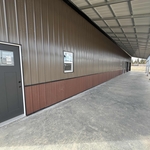
Flathead Excavation
5.0(
3
)
Landscape - Minor Grading or ReslopingLandscape - Minor Grading or Resloping - For Business

Serving Saint Ignatius, MT and surrounding areas

In business since 2020

Free estimates

Warranties offered

"We recently worked with Flathead Excavation and couldn't be happier with the experience. From start to finish, their communication was outstanding—they kept us informed every step of the way, answering all of our questions promptly and clearly. The quality of their work was exceptional, and they went above and beyond to ensure everything was done to the highest standard. Their team demonstrated incredible professionalism, attention to detail, and a genuine commitment to delivering results that exceeded our expectations. If you're looking for a reliable, hardworking excavation company that truly cares about its clients and the work they provide, I highly recommend Flathead Excavation. A top-notch team that you can trust!"
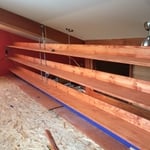
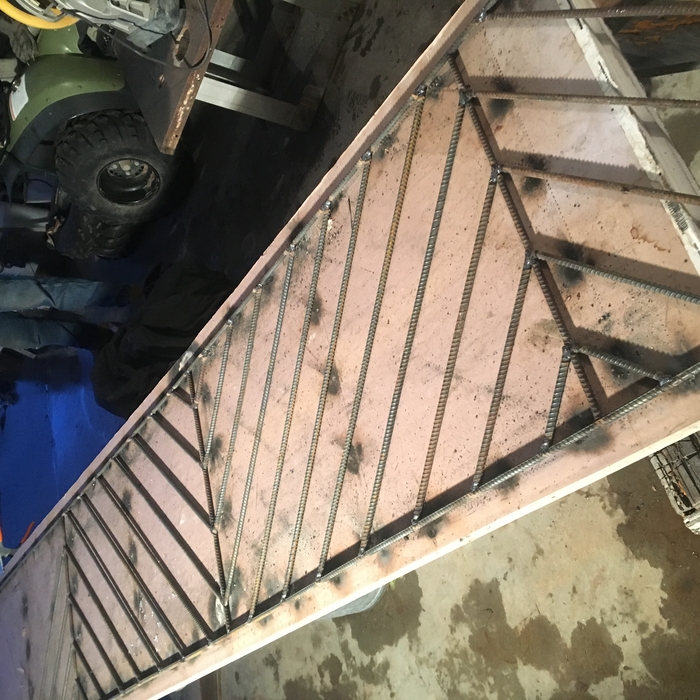
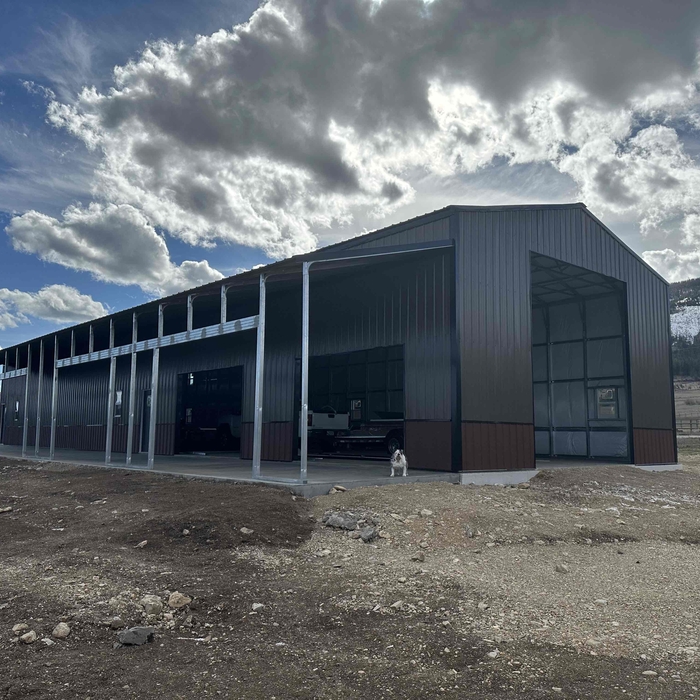
Concrete Pad
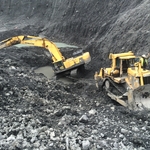
Land Clearing
Laser Level Shop Floor and Patio
Concrete Pad
Land Clearing

+163

Recommended by66%of homeowners
...
Showing 1-10 of 76
Landscaping questions, answered by experts

DIY landscaping is possible, but professional services offer expertise in selecting appropriate plants and designing functional spaces that complement the natural environment and adhere to local regulations.

Most bamboo can send roots down two to three feet into the ground. However, when stopping bamboo from spreading, the focus is on the runner roots or rhizomes. These roots are much shallower, staying 12 inches or less from the surface, so they’re easier to find and remove. But if you want to remove the bamboo entirely, you’ll have to dig out the full root system.

If you use the wrong plants for your gardening zone, you’ll likely get less than desirable yields from them. In some cases, your plants can even die. It’s important to ensure that your plants are able to survive in your hardiness zone before getting them into the ground.

Grass is the most popular and safest option for planting over a septic drain field, but you can also plant small flowering plants and other lightweight plants that don’t have woody or deep roots. Avoid trees and bushes within 10 feet of the field, as the woody roots can crack the perforated pipes. You should also avoid planting vegetable or fruit gardens over your drain field, as a leak from the pipes could contaminate the soil and put anyone who eats the produce at risk.

The best landscaping for a septic drain field is shallow-rooted grass or native vegetation that helps prevent soil erosion while allowing water to evaporate efficiently. Avoid planting trees, shrubs, or deep-rooted plants near the drain field because the roots can infiltrate pipes and cause blockages. Using mulch or gravel sparingly can also help retain moisture and protect the system without restricting airflow.

The Saint Ignatius, MT homeowners’ guide to landscaping services

From average costs to expert advice, get all the answers you need to get your job done.