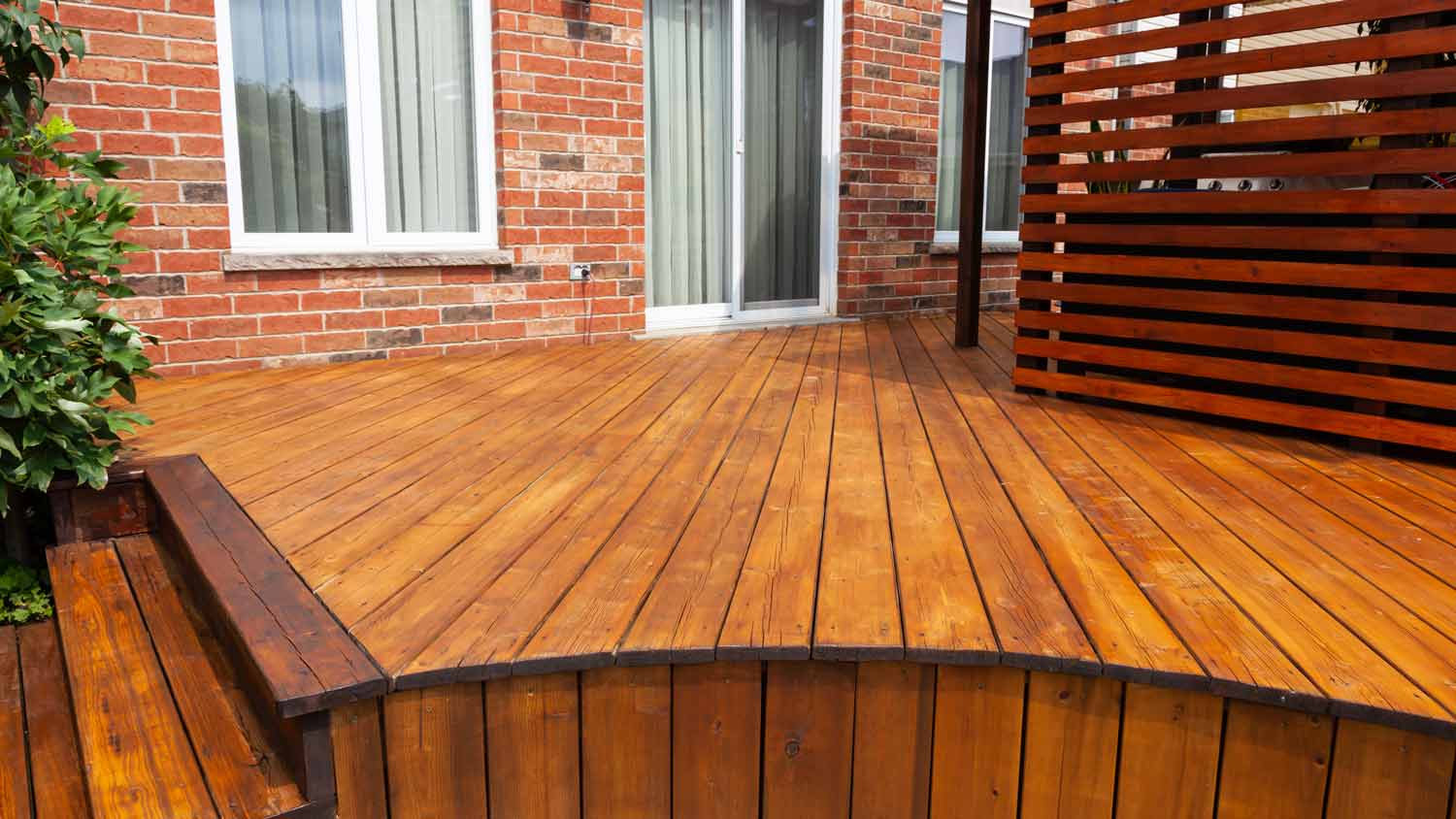
Top-rated deck cleaning pros.

Get matched with top deck cleaning pros in Plentywood, MT

Enter your zip and get matched with up to 5 pros

Need a pro for your deck cleaning project in Plentywood, MT?

Select your specific project to find the pro for you.

Find Deck cleaning pros in Plentywood

Allen's Siding & Windows, Inc.
New to Angi

Serving Plentywood, MT and surrounding areas

In business since 1988

Allen's Siding & Windows, Inc., is a Full Service,Owner Operated Company for over 17 years in complete exterior home improvements from custom design additions, sunrooms, patios, and decks to complete siding and window installations and repairs as well as all exterior window treatments including custom shutters and awnings. We specialize in ALSIDE ULTRAMAX Windows, which have been energy star partner for 3 years running. We work with you from start to finish with complete client focus, and professional personalized service giving superior craftsmanship with attention to each detail to ensure we create the vision you have for your home. Hire The Contractor not a Salesman. Please see our website at www.sydngys.com

Deck Cleaning questions, answered by experts

The average cost to professionally clean or pressure wash a deck is around $150, with prices typically ranging from $100 to $600. Several factors influence the final price, including the deck's size, material, condition, and how long it has been since its last cleaning. For a smaller deck of about 300 square feet, you might pay around $100. For a larger deck of 1,000 square feet or more, the cost could be closer to $300 to $400. Decks that are very dirty or haven't been cleaned in years may require more time and special detergents, which will increase the price. The deck's material also plays a role. Wood decks often cost more to clean because they require a gentle power washing technique to avoid damage. Composite decks are typically less expensive to clean, and cleaning a metal deck may cost around $100.

Yes, deck footings typically require an inspection before laying down concrete. While not all local building codes require footing inspection, proper placement ensures a safe and structurally sound deck. An inspector will verify that the deck can adequately hold what you put on top of it., and that the footings have been dug to the correct dimensions.

Both composite and PVC decking are excellent alternatives to wood. However, while composite is moderately priced and lasts around 30 years, PVC costs more and lasts longer. PVC is also more durable, though both materials are more durable than wood decking. Ultimately, the choice between composite and PVC decking will come down to your budget and preferences.

The proper height for a stair riser or deck step is between four and seven inches, with seven inches often considered the most comfortable. Building your stairs to this height ensures a strain-free step position and minimizes the risk of trip and fall injuries. For optimal safety and comfort, especially on deck stairs, a rise of around seven inches should be paired with a tread depth (or run) of at least 10 to 12 inches. While it is possible to design stairs with risers up to 12 inches, this height can be challenging for children, pets, or individuals with mobility issues. Always check with your local building codes, as they may mandate specific dimensions that differ from these general recommendations.

Ideally, a gate should be able to swing both in and out. However, if it can only open in one direction, it is generally best for it to swing inward. This is often the safest option, especially for deck gates near steps, as you'll want the gate to swing away from the stairs. An inward swing also prevents the gate from opening into a public space, like a sidewalk, and can be more convenient when carrying heavy items like a wheelbarrow into a garden.

There are exceptions, however. The layout of your property may require a different approach. For example, if your property is on a slope, the gate may not be able to swing inward. You should also ensure the gate can open fully without colliding with any objects or blocking access to other areas. For a backyard garden gate where public access isn't a concern, the direction it swings is largely a matter of personal preference. Finally, always check your local building codes, as they may have specific requirements for which way a gate must swing.

The Plentywood, MT homeowners’ guide to deck cleaning services

From average costs to expert advice, get all the answers you need to get your job done.