If you dream it, we can build it. What's the biggest difference between us and them? We build to last! We offer a full line of Green and Energy Star Certified products, backed by our labor and manufacturer's lifetime transferable warranties. Credit Cards Welcome Financing Available OAC.
Appliances typically connected to a gas line include gas stoves, water heaters, furnaces, and gas fireplaces. Essentially, any appliance in your home that uses gas needs to be connected to a gas line, which connects your home with the main gas line owned and operated by your gas company.
Safety steps include proper vent installation, connector tightness, and leak testing. A safe environment must be maintained throughout.
Propane sales companies typically offer propane delivery, tank installation and maintenance, grilling refills, and emergency support for supply interruptions.
Most likely, a gas plumber would be the best pro for many components in your home, and you might not even realize it. Natural gas plumbers are responsible for maintaining and installing natural gas lines, including installing appliances that use natural gas. These can include:
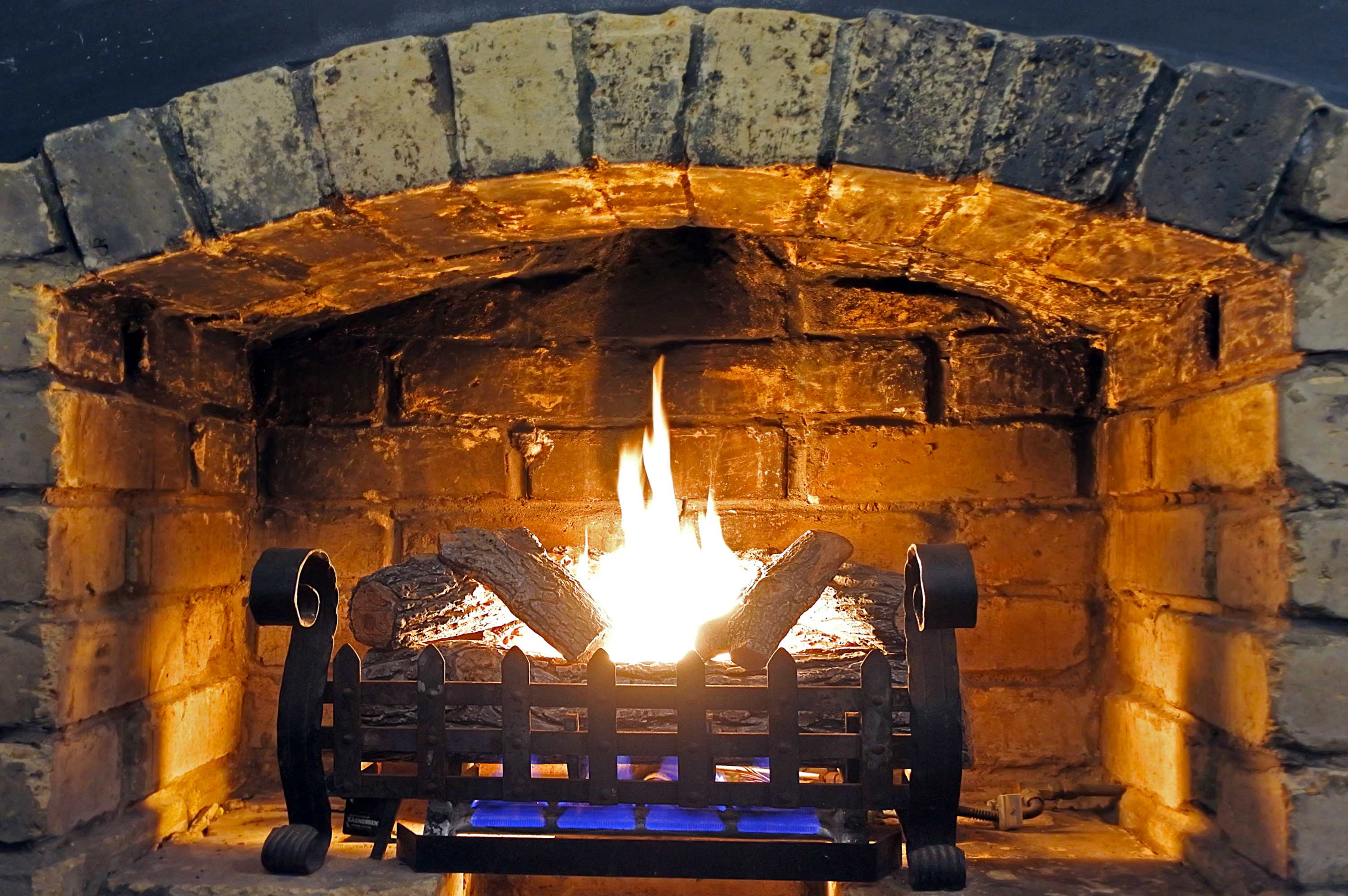
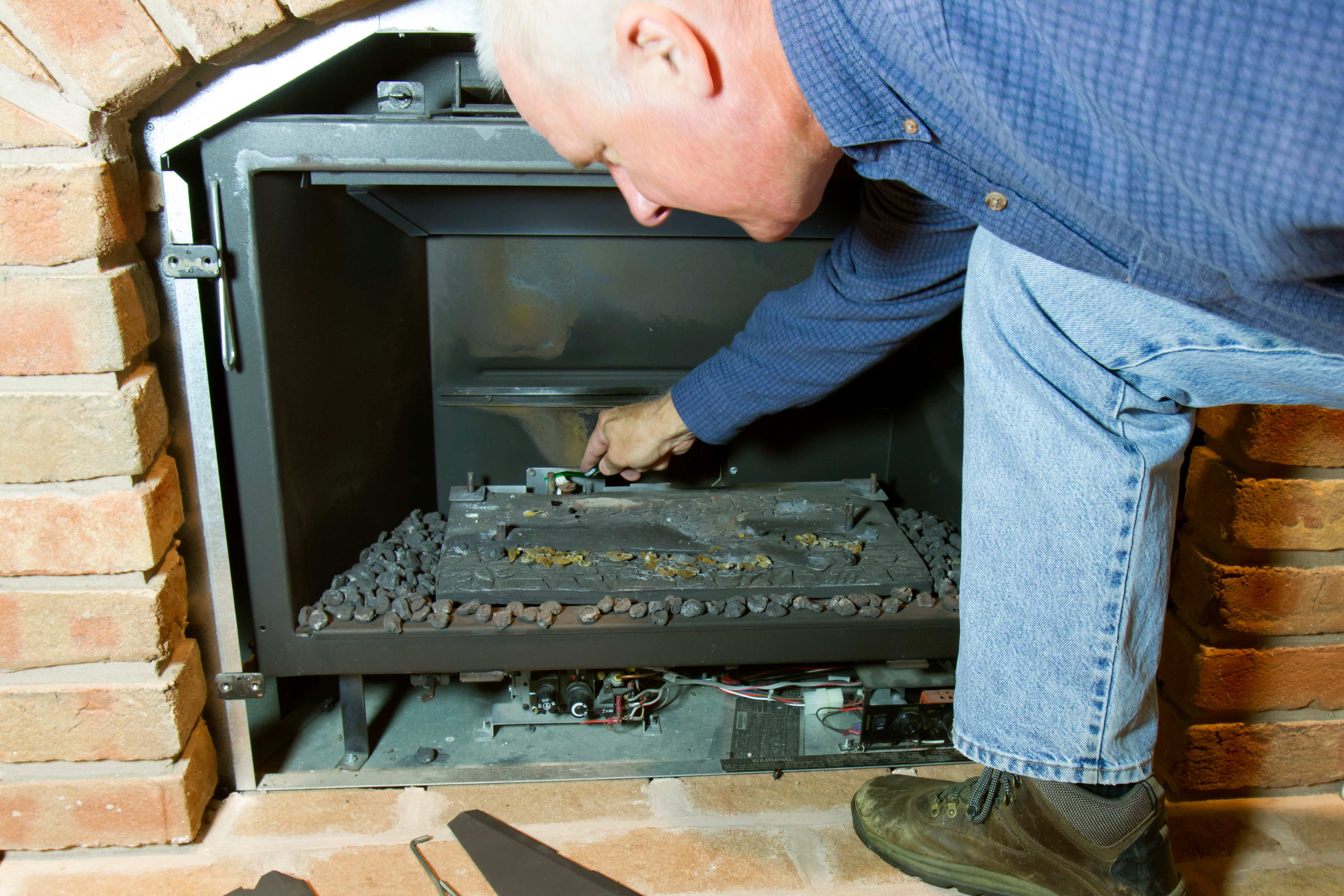
Fireplaces
Water heaters
Furnaces
Hot tubs
Clothes dryers
Ovens
Outdoor grills
Gas plumbers are also the pros that would handle a natural gas leak in your home, so it's essential to know the signs of a gas leak before it becomes a dangerous situation.
The difference between a built-in and regular grill is installation and design. A built-in grill is integrated into an outdoor kitchen or structure, often within a countertop or island. It is a permanent fixture. A regular grill is standalone, portable, or cart-mounted, allowing mobility and versatility in placement. Built-in grills are typically larger with more cooking space, while regular grills come in various sizes. Built-in grills are favored for creating a custom outdoor cooking area, while regular grills provide convenience and flexibility.
The Malta, MT homeowners’ guide to gas log services
From average costs to expert advice, get all the answers you need to get your job done.
This guide shares information about the cost to remove a gas fireplace, including the average price to additionally remove the breast, stack, and chimney flue as well as which experts will be needed to complete the project.
Whether it's time for pipe replacement or to hook up the range of your dreams, gas line installation cost is an important line in your budget. Let's take a look.
Ventless gas logs serve the same purpose as vented gas logs. But that doesn’t mean they’re interchangeable. Find out more on whether you can use ventless gas logs in a vented fireplace or not using this informational guide.
When comparing vented versus ventless gas logs, vented logs are better for ambiance, while ventless gas logs are easier to install and heat a room efficiently.