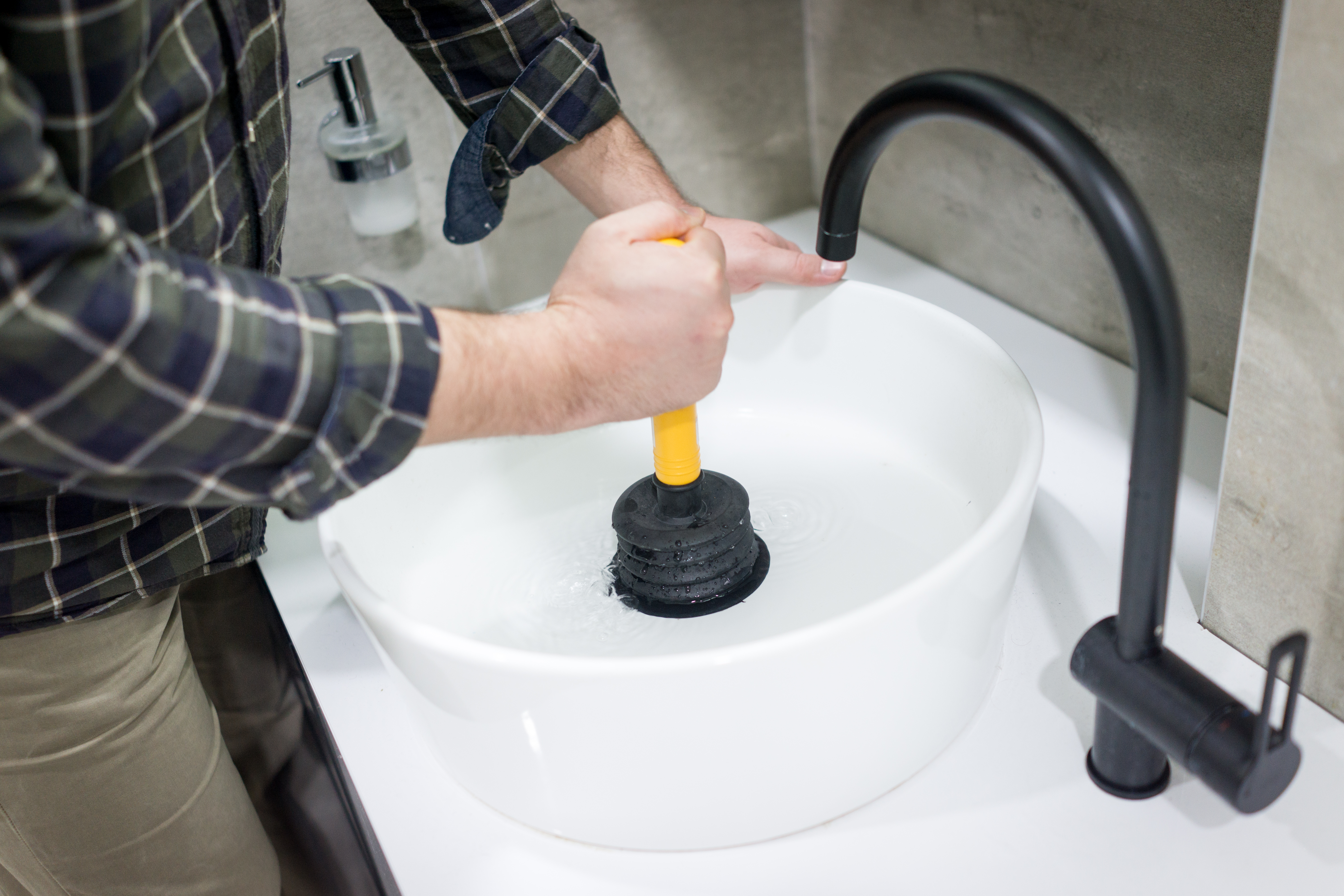
"Joe from JMS Drain Services was my service technician who arrived well within the window scheduled service time. Joe came in, inspected the sink to determine how to resolve my issue, took out the tool (snake apparatus) to clear the sink, and departed my premises within 15 minutes. I was pleased he resolved my clogged sink so quickly so I could rest after a night's work. Thank you again, Joe."
"I paid for the recovery of the Freon, everything else was covered under the warranty. I know what it would have cost if it wasn't covered. I would tell anybody if you have an house, you need to have them. They have been very good to deal with. They were very polite, and very professional. It took about three hours to complete. It was completely cleaned."
If you dream it, we can build it. What's the biggest difference between us and them? We build to last! We offer a full line of Green and Energy Star Certified products, backed by our labor and manufacturer's lifetime transferable warranties. Credit Cards Welcome Financing Available OAC.
Flushing the toilet only to realize it’s clogged can cause anxiety. To avoid a clogged toilet, use less toilet paper. If you notice that the toilet is flushing and refilling slower than usual, you can use a plunger to clear clogs in the S-trap. If that doesn’t work, call a plumber to check your system and possibly clear the drain lines.
As with many appliances, proper maintenance is key to maximizing your garbage disposal’s life span. If everyone in your household is on board with proper care and maintenance, like running water while operating the disposal, you should get plenty of years out of your unit. Avoid putting the wrong food items down the disposal, including pasta, rice, bread, and more.
Clogged pipes are one of the top signs your water heater is about to fail. Potential symptoms of excess sediment buildup include not enough hot water, leaks, unusual noises, low water pressure, and discoloration or odors in the water.
A washing machine should drain the water used during its cycle through a drainpipe and out through the house’s plumbing. This is the same plumbing that sinks and shower drains run to, and if the U-bend is installed correctly, it shouldn’t smell. The total drainage from the house is then integrated into the city sewer system or, if you’re in the country, dispersed into a septic tank.
Some experts estimate that descaling your cast iron pipes can extend their lifetime by upwards of 50 years, although there’s not a lot of research to prove it. But we do know that without proper maintenance, cast iron pipes can quickly rust—leading to more expensive issues like burst pipes or main line clogs.
The Malta, MT homeowners’ guide to drain cleaning services
From average costs to expert advice, get all the answers you need to get your job done.
When your shower or sink starts draining slowly or not at all, it’s time to act. Get tips for how to unclog a drain, and learn about drain cleaning service pricing.
Are your sinks draining slowly or making gurgling noises? Learn what drain cleaning is, the warning signs of severe clogs, and how to hire a local plumber.