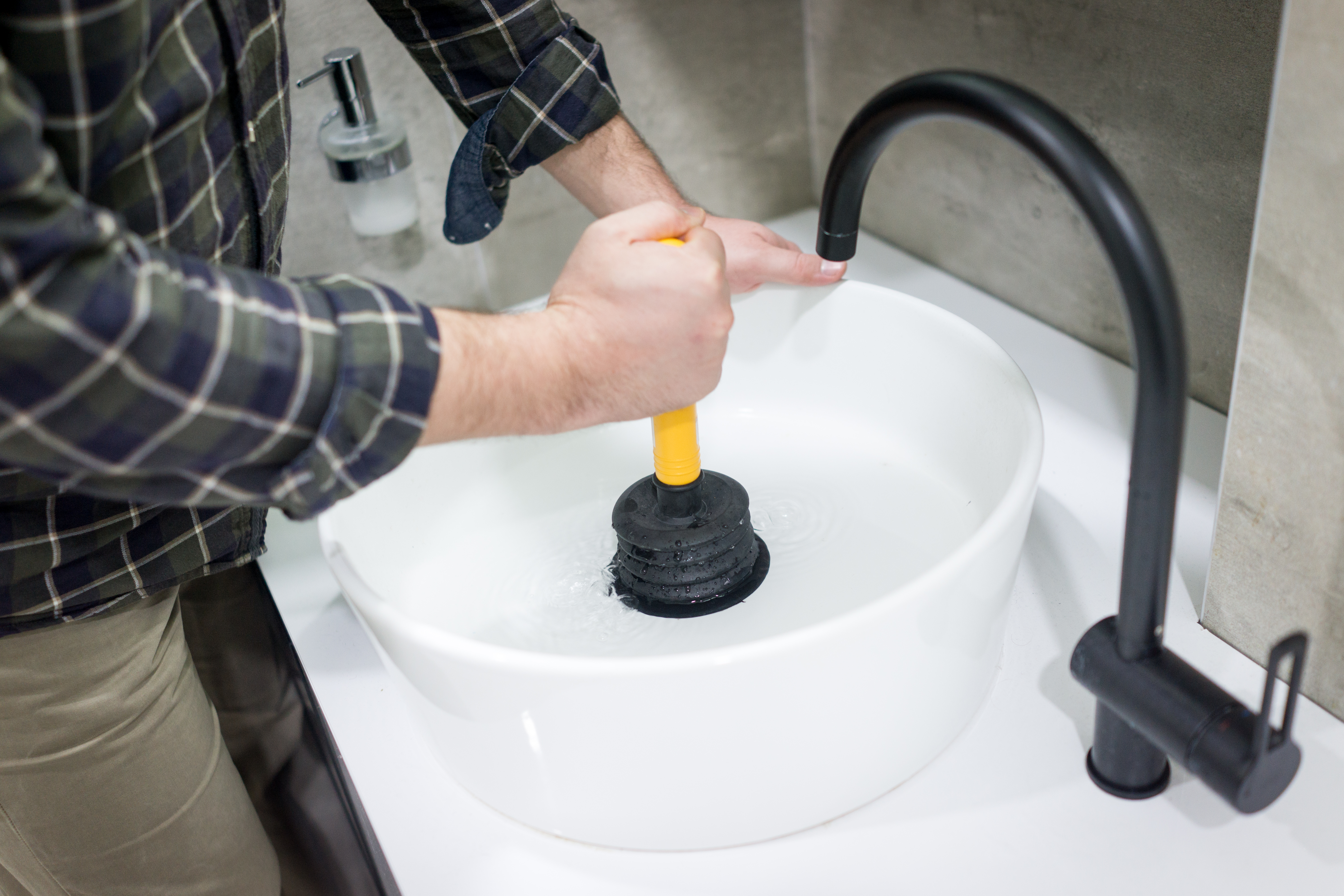
"Joe from JMS Drain Services was my service technician who arrived well within the window scheduled service time. Joe came in, inspected the sink to determine how to resolve my issue, took out the tool (snake apparatus) to clear the sink, and departed my premises within 15 minutes. I was pleased he resolved my clogged sink so quickly so I could rest after a night's work. Thank you again, Joe."
"Called AHS....who sent service request to AAA Flexible Pipe. Adam came out quickly and installed new pump just before HEAVY rains hit...Fast and efficient service from AHS and AAA FLEXIBLE PIPE CLEANING."
If you dream it, we can build it. What's the biggest difference between us and them? We build to last! We offer a full line of Green and Energy Star Certified products, backed by our labor and manufacturer's lifetime transferable warranties. Credit Cards Welcome Financing Available OAC.
Start by unscrewing the overflow valve, which is located on the wall of your tub between the floor drain and the tub spout. Gently insert a plumbing snake down into the pipe, move it back and forth, and pull it out. Remove any hair, debris, and soap scum that comes out with it. Repeat the process until the snake comes out clean, and then reinstall the cap on your overflow valve.
You should inspect and clean your French drain at least once per year to keep it in good working order. Regular maintenance can help identify clogs, buildup, and damage before they become bigger problems, which increases the lifespan of your drain. The frequency with which a drain clogs can depend on factors like the amount of debris, the quality of the installation, and the type of filter used. If your drain accumulates a lot of sediment, it may require more frequent cleaning. It's also a good practice to check the access and exit points after heavy storms. If you notice reduced drainage or any signs of a clog, clean the drain as soon as possible.
That pungent rotten egg smell coming from your drain is likely the buildup of biofilm—hair, skin, and soap scum that turns into a black sticky mess. In this case, pouring down near-boiling water, baking soda, and white vinegar will remove the smell. Keep in mind that a rotten egg smell is occasionally a sign of larger sewage line clogs and other related issues.
Biodegradable drain cleaners use naturally derived ingredients, such as baking soda, vinegar, and boiling water, which bacteria and other microbes can break down. Unlike conventional cleaners that rely on corrosive bleach (sodium hydroxide), biodegradable options are gentler on fixtures and less harmful to the environment. Because they don't release harmful gasses, they are also safer to use, especially in households with children, and do not require the same safety precautions as bleach-based products.
It is generally not recommended to pour hot or boiling water down a drain to unfreeze pipes due to significant risks. In some cases, the sudden temperature change can cause more ice buildup or produce steam, which increases pressure and could cause the pipe to burst, leading to costly damage and potential burn injuries. While hot water might help with a partially frozen drainpipe, it is unlikely to thaw a completely blocked water pipe further down the system. Additionally, boiling water can damage plastic pipes over time. Safer and more effective methods include using a space heater near the frozen section or applying hot towels directly to the pipe.
The Hays, MT homeowners’ guide to drain cleaning services
From average costs to expert advice, get all the answers you need to get your job done.
When your shower or sink starts draining slowly or not at all, it’s time to act. Get tips for how to unclog a drain, and learn about drain cleaning service pricing.
Are your sinks draining slowly or making gurgling noises? Learn what drain cleaning is, the warning signs of severe clogs, and how to hire a local plumber.