"I only use James when I need some work done to my house. He responds fast, gets the work done quicker than just about anyone else I've ever used and seems very concerned with leaving his customers happy."
Basement Waterproofing questions, answered by experts
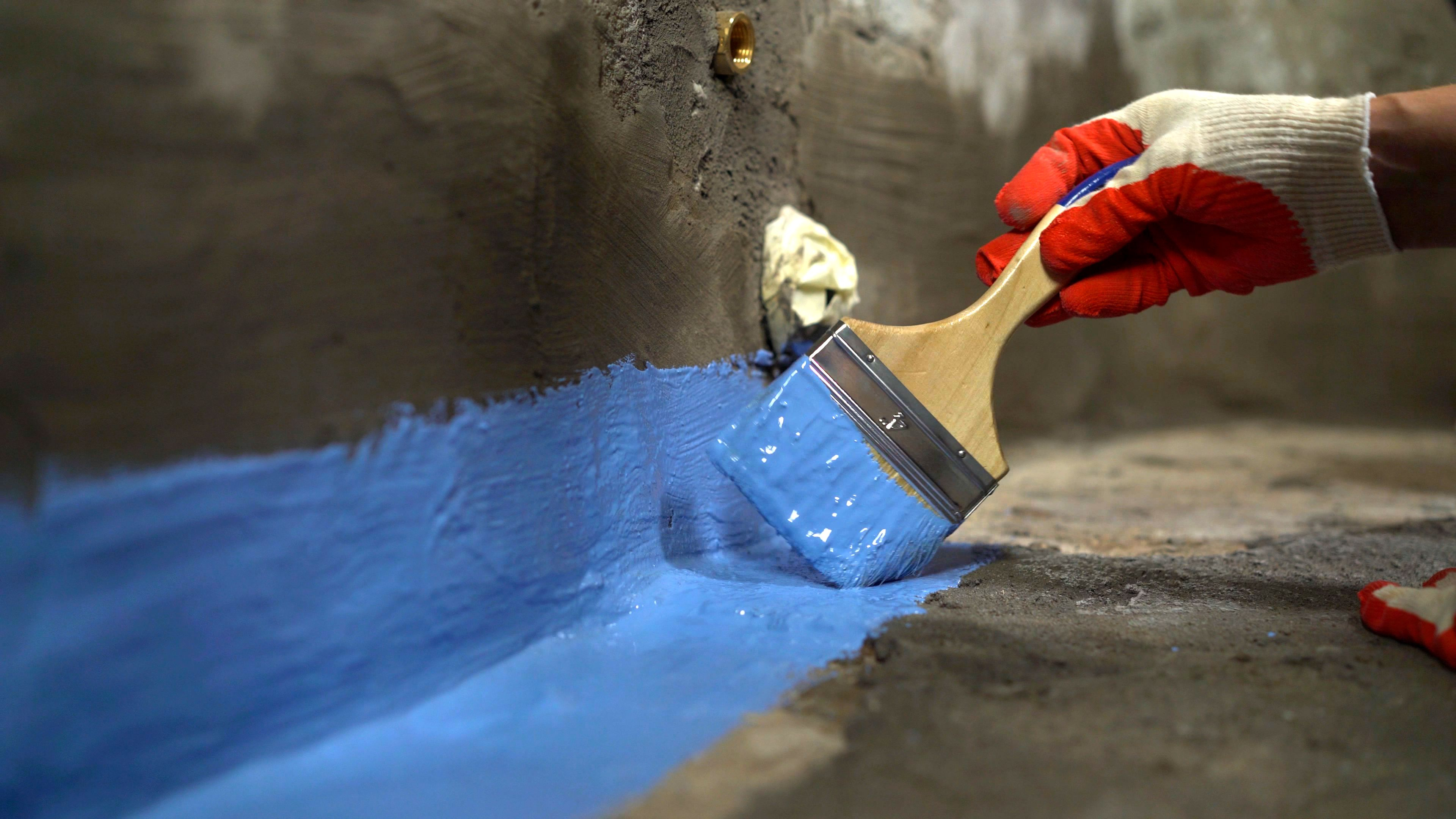
Damp proofing and waterproofing are both methods to help keep your basement dry. Damp proofing keeps soil moisture from entering your basement, which is helpful since your basement is underground. Waterproofing, however, keeps both soil moisture and liquid water out of the basement, which is essential, especially if you live in a wet environment. Because it’s more protective, waterproofing typically costs more than damp proofing.
Yes, it’s worth it to repair a crawl space foundation, even if the issue seems relatively minor. Foundation problems often get worse and more expensive to fix if you leave them untreated. Additionally, your entire home, from the framing and flooring to the roof system, relies on the foundation for even and level support. Issues with your foundation will almost always manifest as problems in and above your living space, so it’s important to find a solution.
The best ventilation for a crawl space is a fully encapsulated crawl space with its own separate ventilation system. If you go this route, ensure you have the proper crawl space code requirements done and dusted before encapsulating your crawl space with a moisture barrier and installing appliances that may not be up to the proper specs.
It depends on what caused your basement flooding, the extent of the problem, and the risk of the flood continuing. If your flood is coming from a septic system or sewer line, breathing in the sewer gasses can be dangerous, so you should vacate. If the flood occurs from an ongoing natural disaster, relocating to a safe area might be wise. If you just have a plumbing leak or rainwater coming in, you can likely stay in the house if you don’t have electrical lines down there, but make sure you call in professionals to fix the issue immediately.
You’ll need to reseal the foundation every five to 10 years, depending on the sealant you’ve used, the moisture conditions present in and around your home, and the condition of your foundation. Having a foundation inspection conducted before reapplication can help you catch any problems before you begin resealing. Of course, if you notice any new leaks or other moisture problems at any time, it may be necessary to reseal the foundation sooner.
The Jordan, MT homeowners’ guide to basement waterproofing services
From average costs to expert advice, get all the answers you need to get your job done.
Need to fix basement water problems or safeguard your home from damage in the future? Use this basement waterproofing cost guide to budget appropriately.
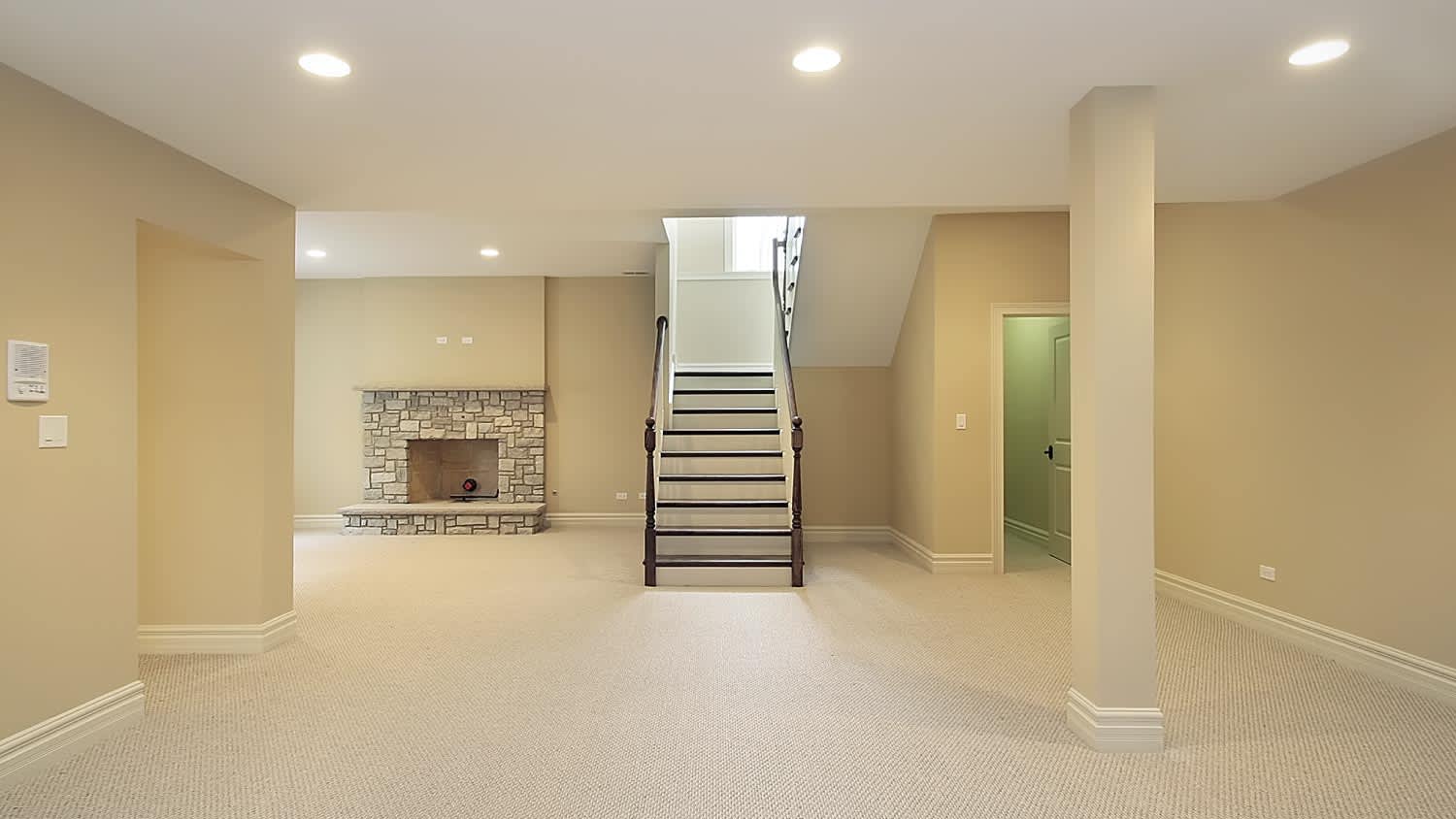
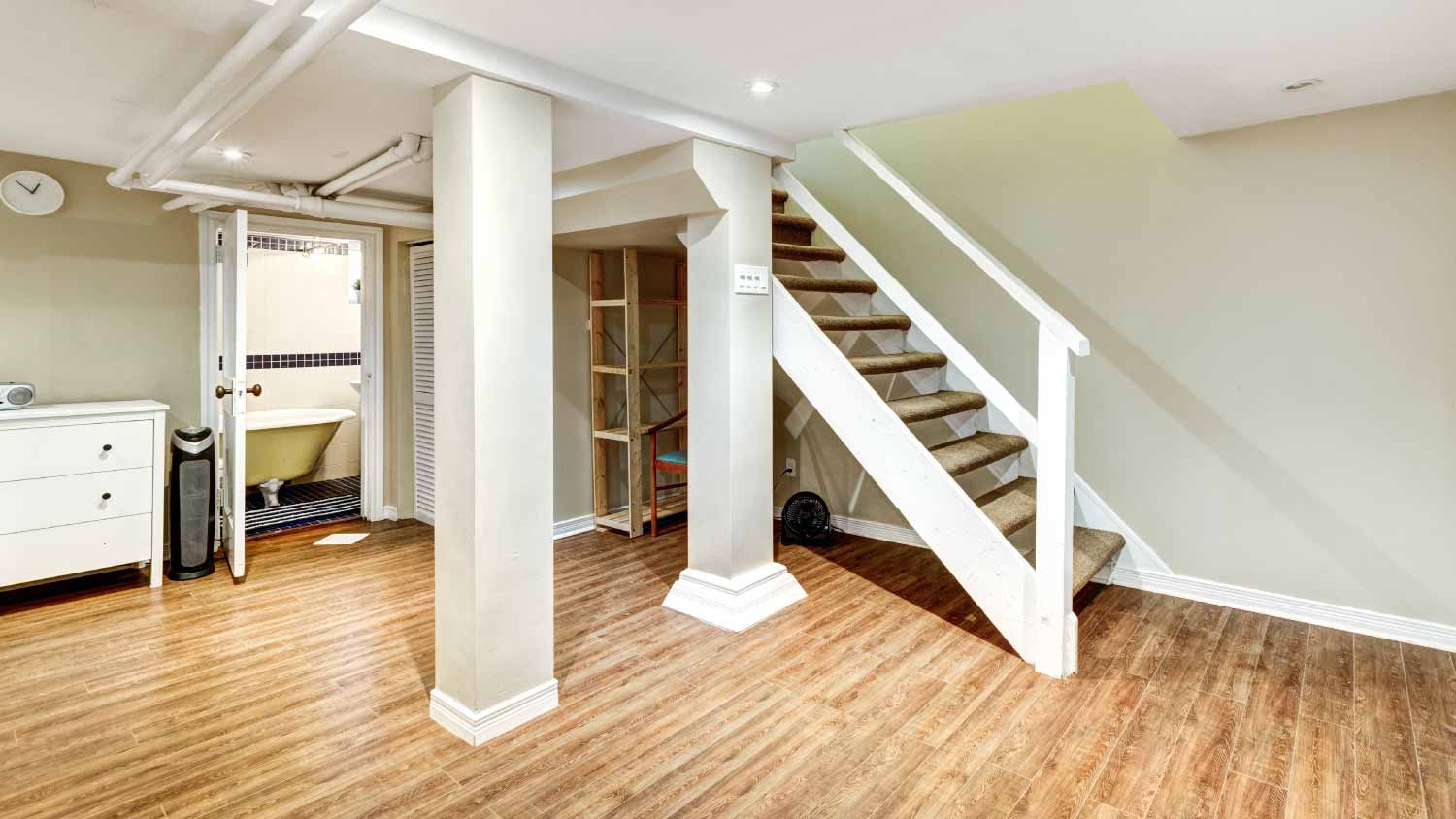
An unfinished basement has a lot of potential for a family room or guest suite. So how much does it cost to finish a basement? Read on for all cost factors.
Dealing with a damp basement? Follow these steps for DIY basement waterproofing to keep water and moisture out and boost your home’s energy efficiency.
Can’t seem to get rid of the moisture and mold in your basement? Learn why basements tend to hold moisture and how to get rid of moisture in the basement.