"Install was easy. Up front cost was pretty low with Angie's List coupon. Monthly price is a little high compared to competing companies. Response time with alarms is excellent. I was advised to use glass break alarms within 10 ft of my first floor windows, which we installed correctly. I asked prior to installation if having one in the kitchen would cause false alarms due to dishes clanging, etc. I was told the glass break alarms are configured to a precise frequency that alarms with breaking glass. So, not a "no", but not really an answer. Well, every time we cook dinner, wash dishes or empty the dish washer, the kitchen glass break alarm gives a warning which would sound the alarm if it was set. This has caused us a number of false alarms while we've been away due to shifting bowls or plates in our drying rack. For the first several we've had to pay our police department $120 to check the house, and I was only notified after the first alarm that there was a cheaper option for a security company to drive by to check for a break in."
Some frosted glass sprays can handle the outdoors, but most of them aren't built for it. Sprays made for exterior use will say so clearly on the label. Anything marked “interior use only” can't hold up against rain, UV exposure, or changing temperatures without peeling, fading, or yellowing. Outdoor-rated sprays are typically more durable, but even then, proper prep and application matter. Before spraying anything outside, double-check the product instructions. If it doesn’t specifically mention exterior use, skip it.
Use a combination of blackout methods to truly black out your windows. If you want to eliminate all light from your room, try installing a very dark tinted film and then putting up blackout shades over the entire window. Reach out to a professional and request some custom-made shades for the best result.
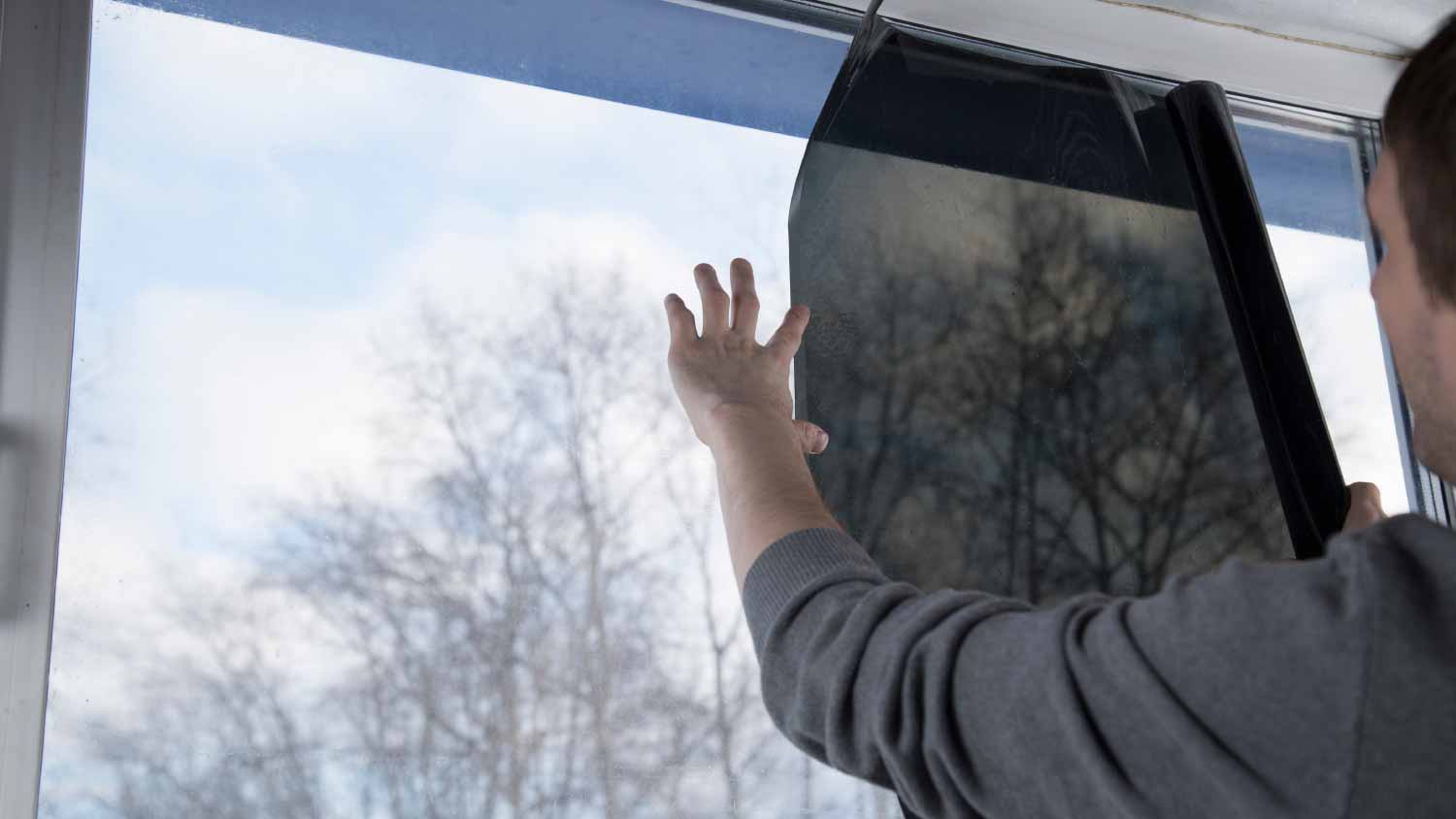
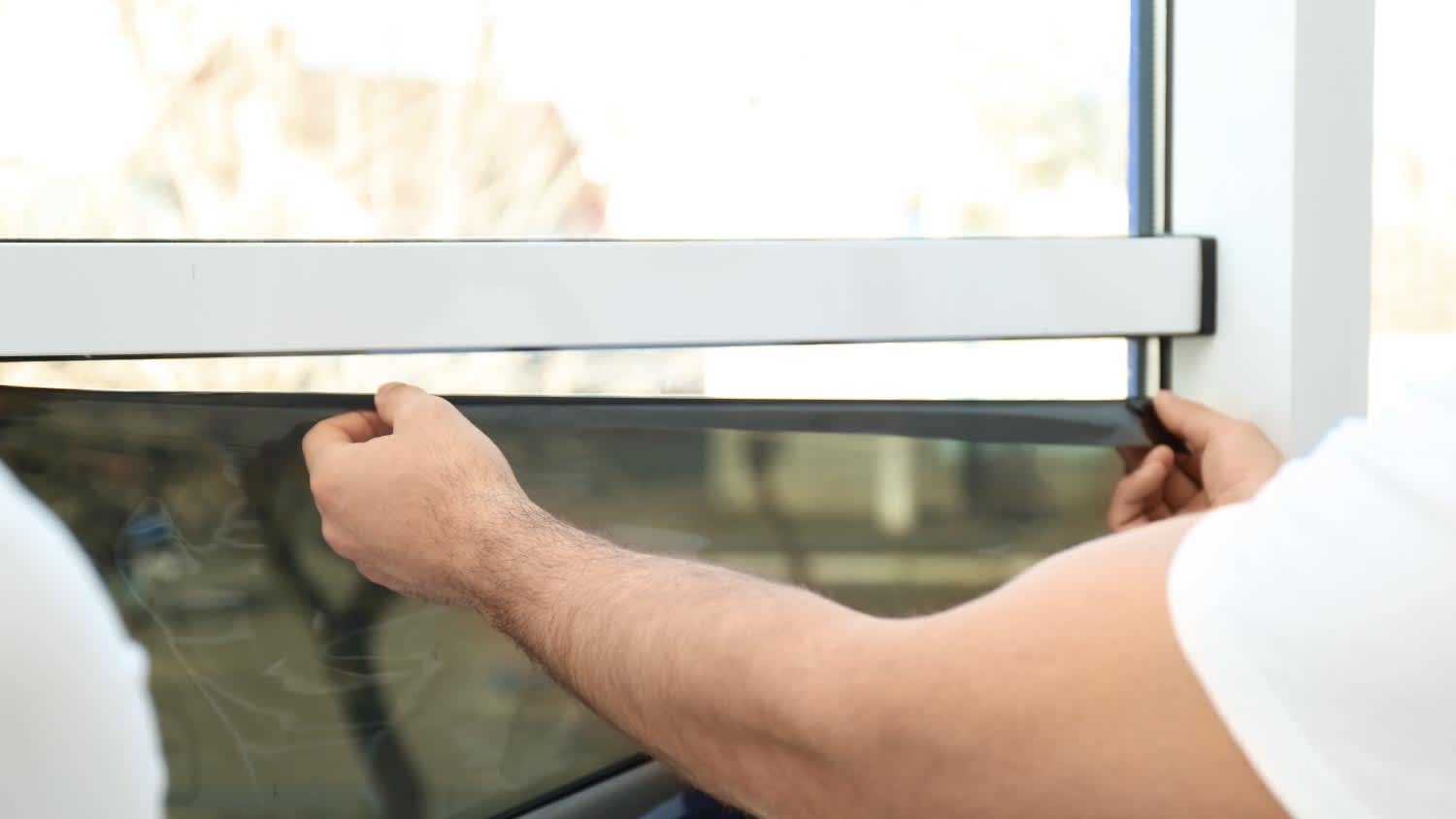
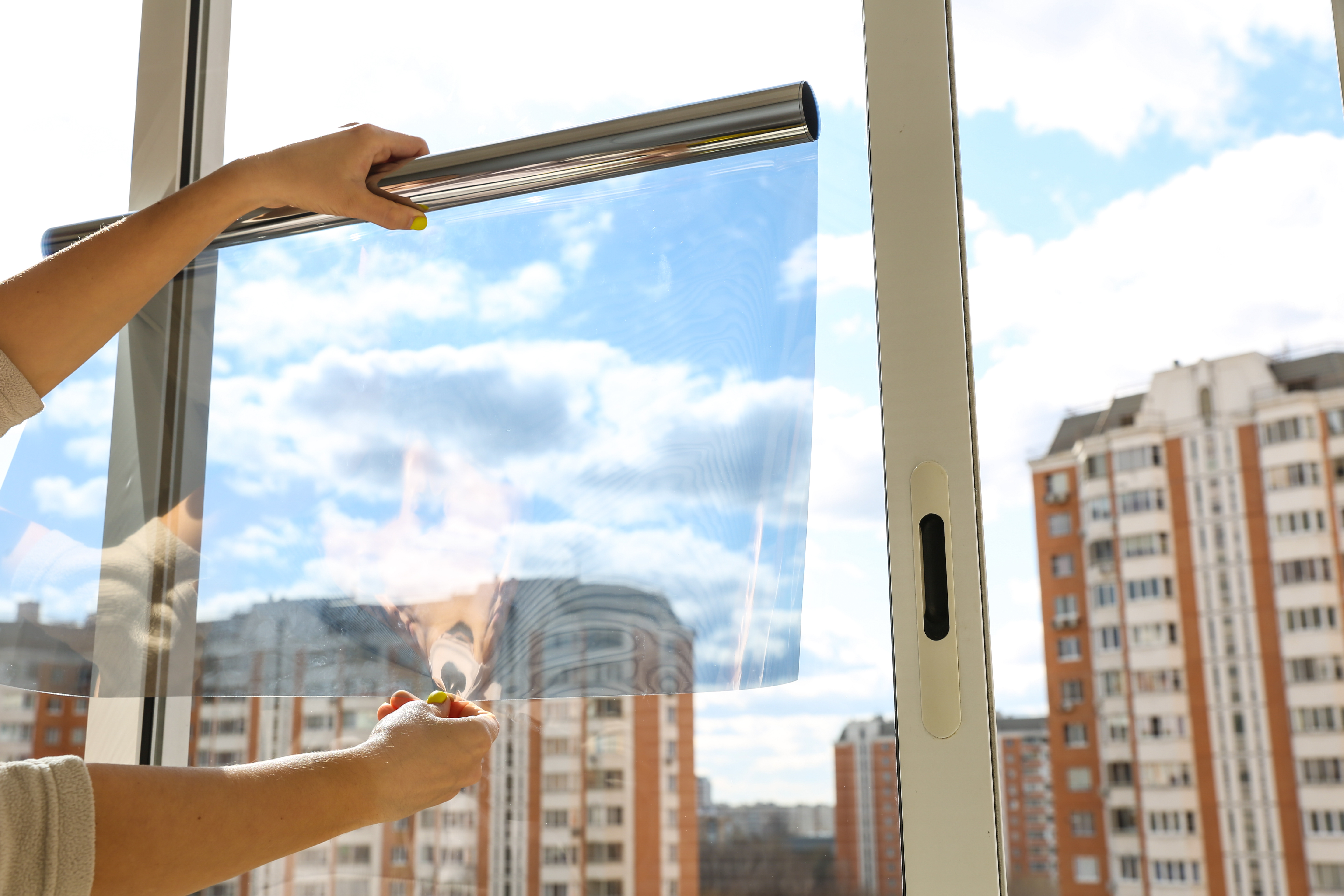
Tinted window films for houses are usually made from a micro-thin sheet of thermoplastic resin called polyethylene terephthalate (PET) that offers the strength and flexibility needed when fitting film to a window. Homeowners looking for a solution that insulates a window without blocking light from a home should investigate low-e glass vs. window film.
The most popular treatment for a skylight is skylight shades. There are five primary types: manual, motorized, blackout, cellular//honeycomb, and Venetian. Motorized skylight shades are the most convenient, especially for skylights that are higher up, but manual shades are the most cost-effective treatments. Cellular/honeycomb shades are a perfect option for anyone who wants energy efficiency and an attractive look.
The visibility through tinted house windows depends on the lighting. During the day, when it is brighter outside, privacy film prevents people from seeing into your home. However, this effect reverses at night. If you have lights on inside, it becomes brighter indoors than outdoors, allowing people to see inside. To optimize privacy, you can select from various shades of film, ranging from lighter to darker, which affects how much is visible from the outside.
The Huntley, MT homeowners’ guide to window tinting services
From average costs to expert advice, get all the answers you need to get your job done.
Can I tint my house windows? Home window tinting is a small upgrade that can yield major benefits. Here’s everything you need to know before taking the plunge.