If you dream it, we can build it. What's the biggest difference between us and them? We build to last! We offer a full line of Green and Energy Star Certified products, backed by our labor and manufacturer's lifetime transferable warranties. Credit Cards Welcome Financing Available OAC.
A higher CFM will make the price of your range hood more expensive. It can be challenging to speculate how much the CFM rating affects price, but ductless range hoods—that don’t need as high of a CFM as ducted range hoods—are less expensive than their alternative. On average, ductless hoods cost between $100 and $300, while ducted hoods can cost as much as $1,000.
Ensures safe electrical connections and proper venting, improving kitchen air quality.
By positioning ductwork for optimal airflow and reducing potential leaks.
If a range hood has minor issues, the average repair costs $85 to $210. This accounts for both parts and labor. More extensive damage can cost as much as $300 to $500, at which point it may be worth considering completely replacing the range hood.
A range hood is an exhaust fan for your kitchen, and several types and styles exist. They are meant to remove grease, moisture, and fumes from your stove. Although some models filter and recirculate the air, the most effective ones remove the air through a duct that’s vented to the outdoors.
The Hays, MT homeowners’ guide to chimney cap services
From average costs to expert advice, get all the answers you need to get your job done.
Sealing your chimney is one of the most affordable ways to prevent water from penetrating the bricks. This guide breaks down the cost to seal a chimney.
The average cost to repair or replace a chimney crown depends on the damage, material, and any other chimney maintenance services bundled into your project.
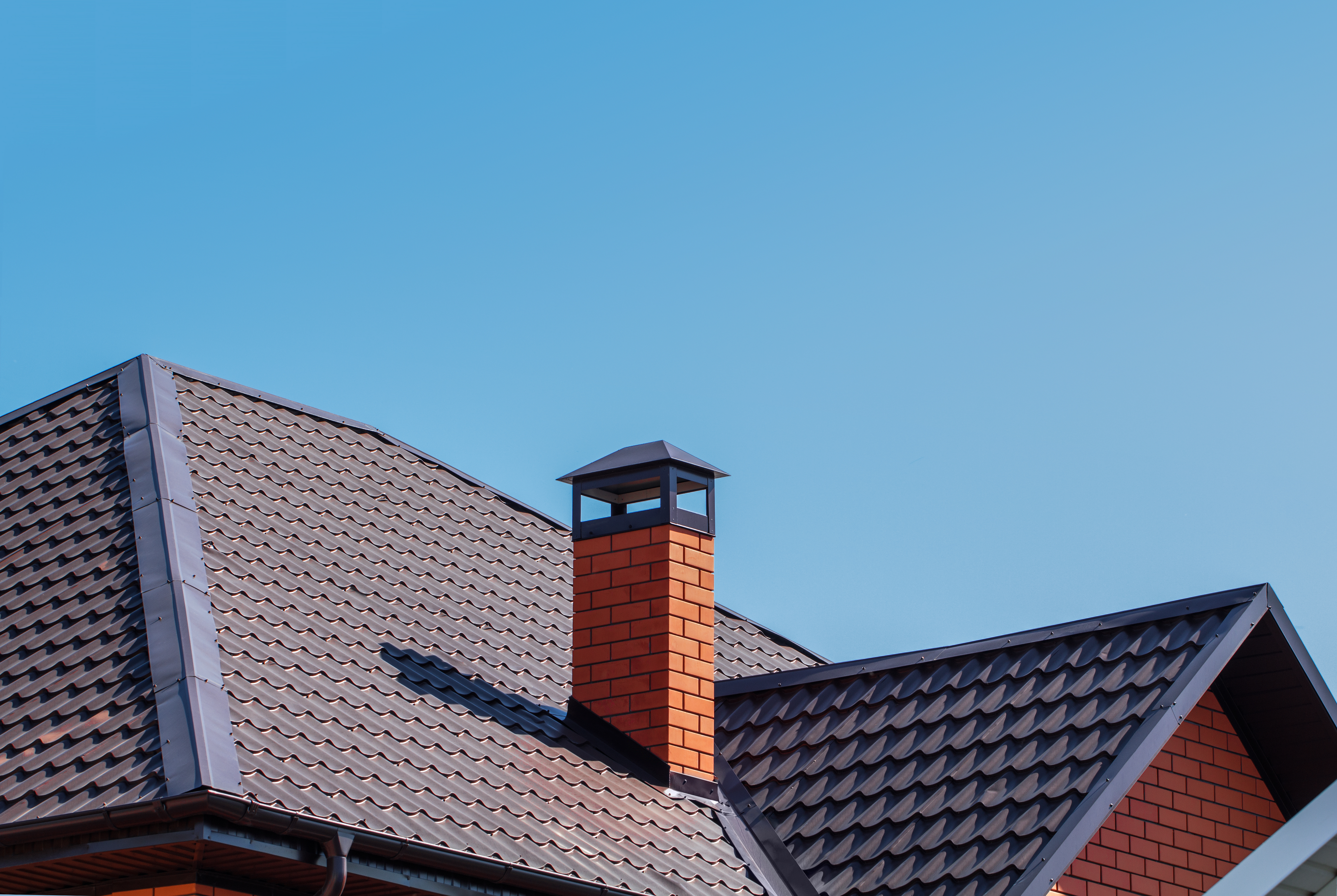
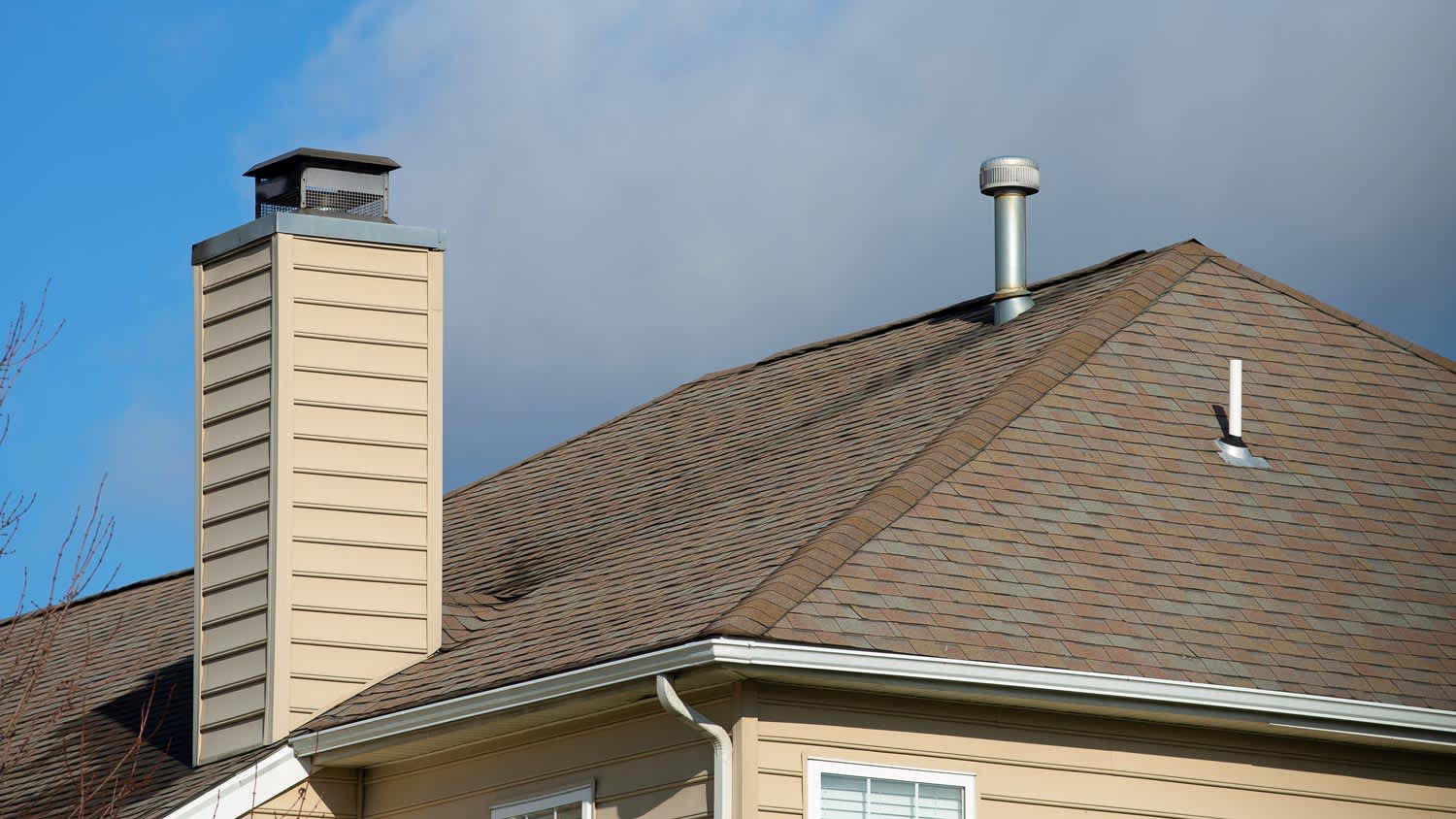
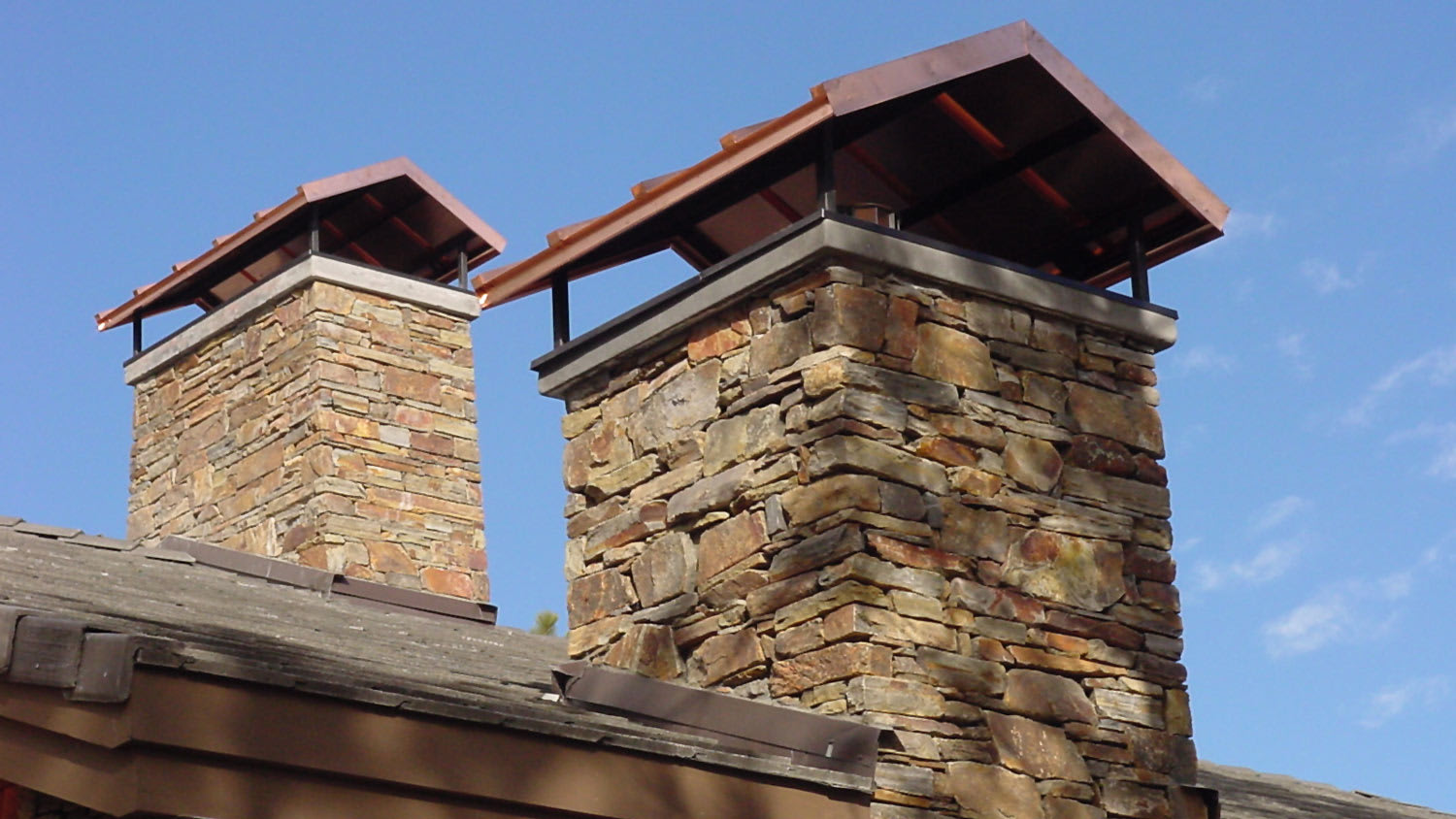
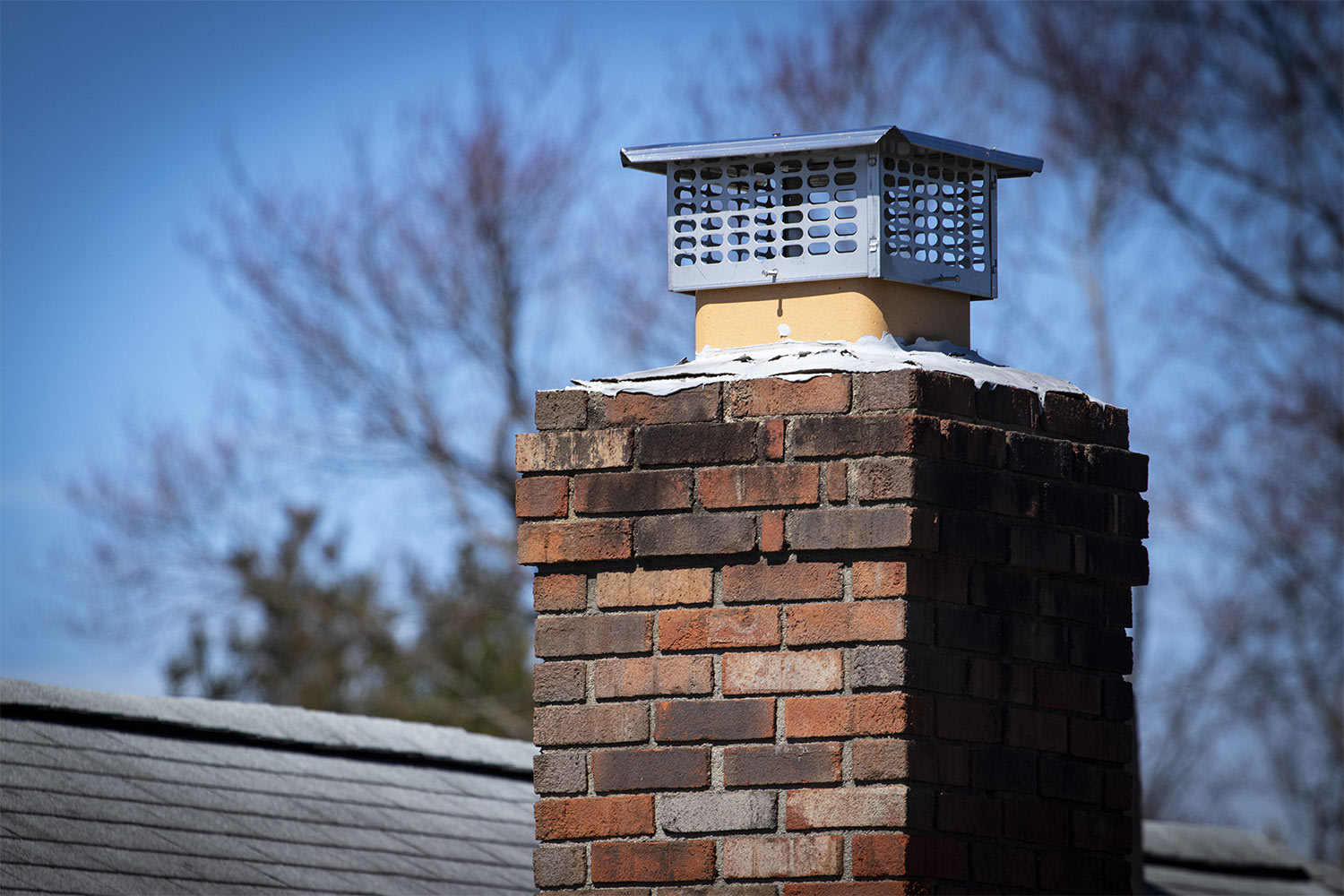
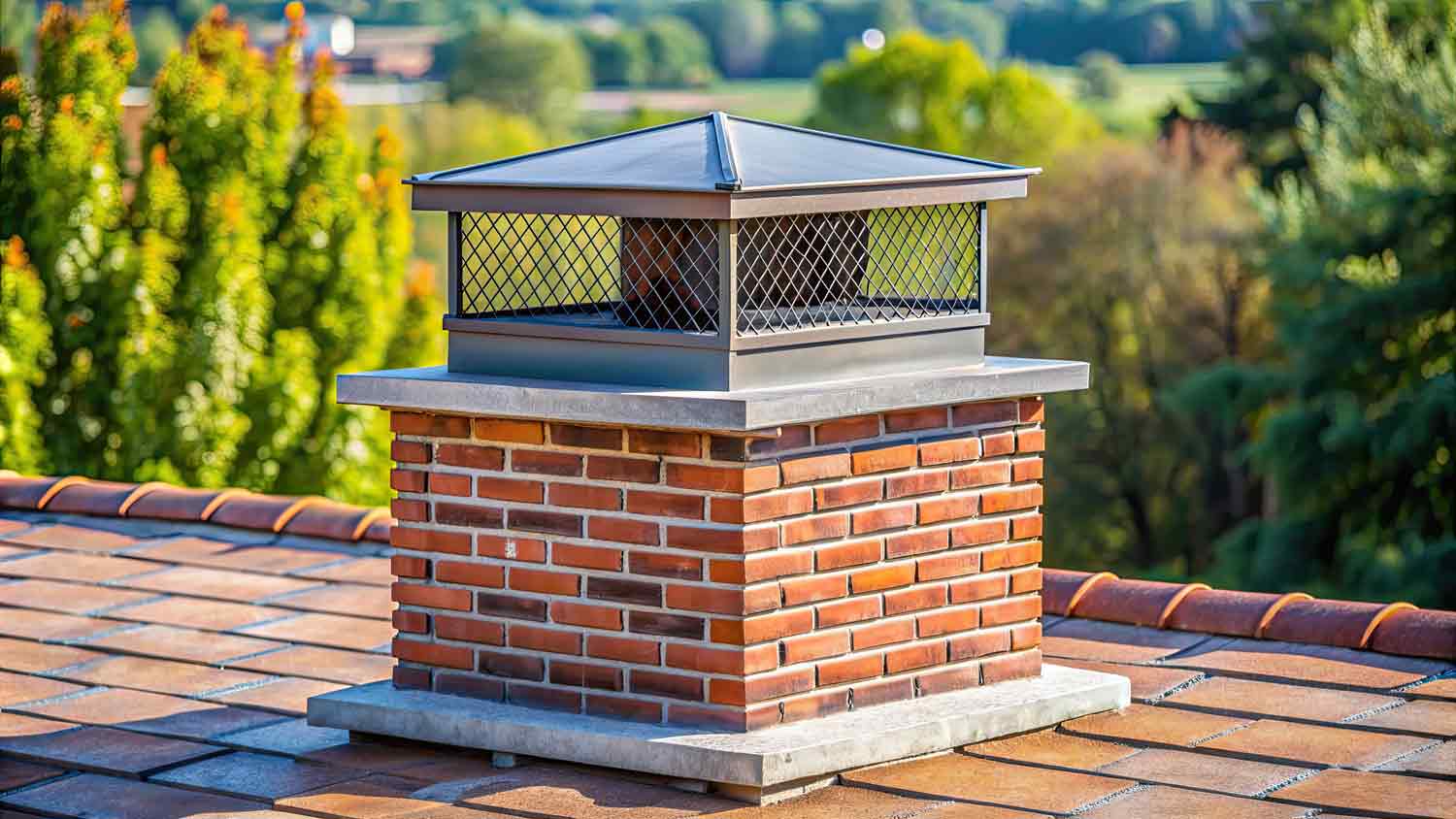
Not all chimneys have caps, but most fireplaces can benefit from having one. But what is a chimney cap, and why is it important? Our guide breaks it all down.