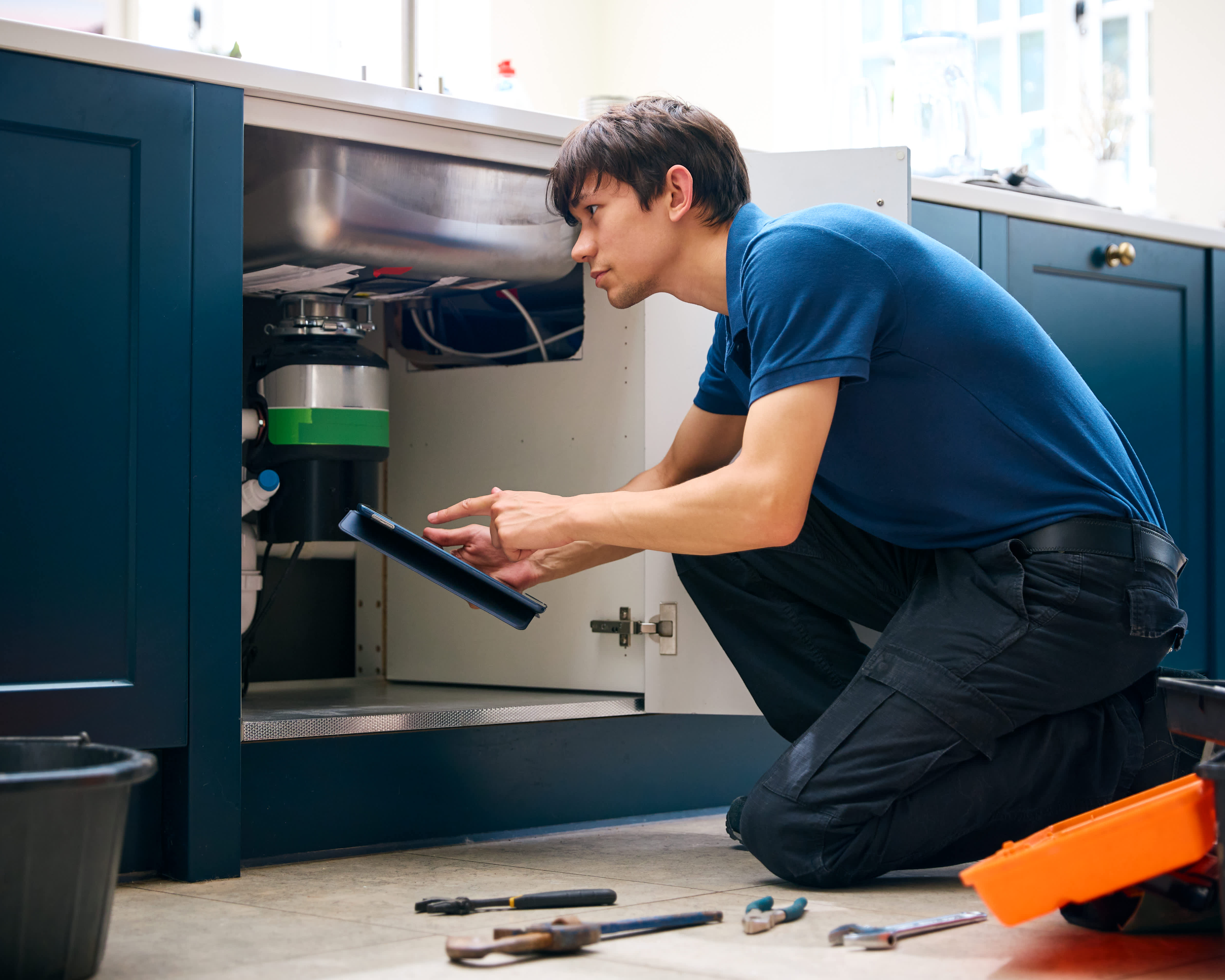
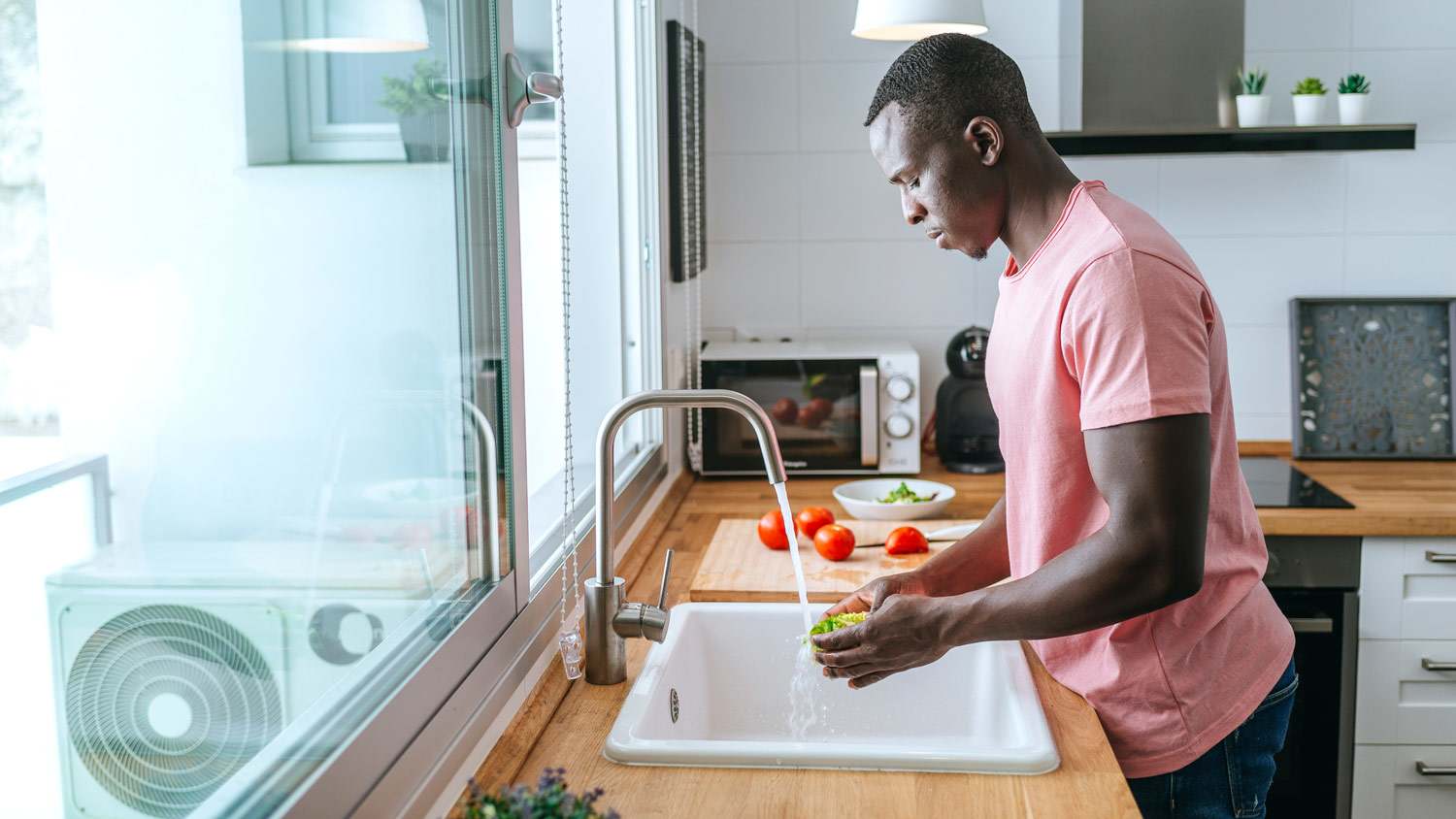
"Joe from JMS Drain Services was my service technician who arrived well within the window scheduled service time. Joe came in, inspected the sink to determine how to resolve my issue, took out the tool (snake apparatus) to clear the sink, and departed my premises within 15 minutes. I was pleased he resolved my clogged sink so quickly so I could rest after a night's work. Thank you again, Joe."
If you dream it, we can build it. What's the biggest difference between us and them? We build to last! We offer a full line of Green and Energy Star Certified products, backed by our labor and manufacturer's lifetime transferable warranties. Credit Cards Welcome Financing Available OAC.
Your sewer line can get grimy quickly. To prevent sludge buildup in your sewer line, pour a mixture of 1/3 cup of vinegar and 1/3 cup of baking soda down each drain in your home once a month. After about 30 minutes, flush the drain with hot water.
Some plumbers recommend 3/4 cup of bleach instead to clean any germs and bacteria that may build up in your sewer line. But this won’t break down any active clogs, and it cannot be combined with vinegar, as the mixture will create a toxic, hazardous gas.
Main sewer lines can clog for several reasons. For example, if you regularly dump oil or grease down your drain, it could eventually block your line. Sometimes, tree roots can penetrate and grow inside old sewer pipes, creating a major blockage. Flushing bulky items (like paper towels, diapers, or baby wipes) can also clog your plumbing system.
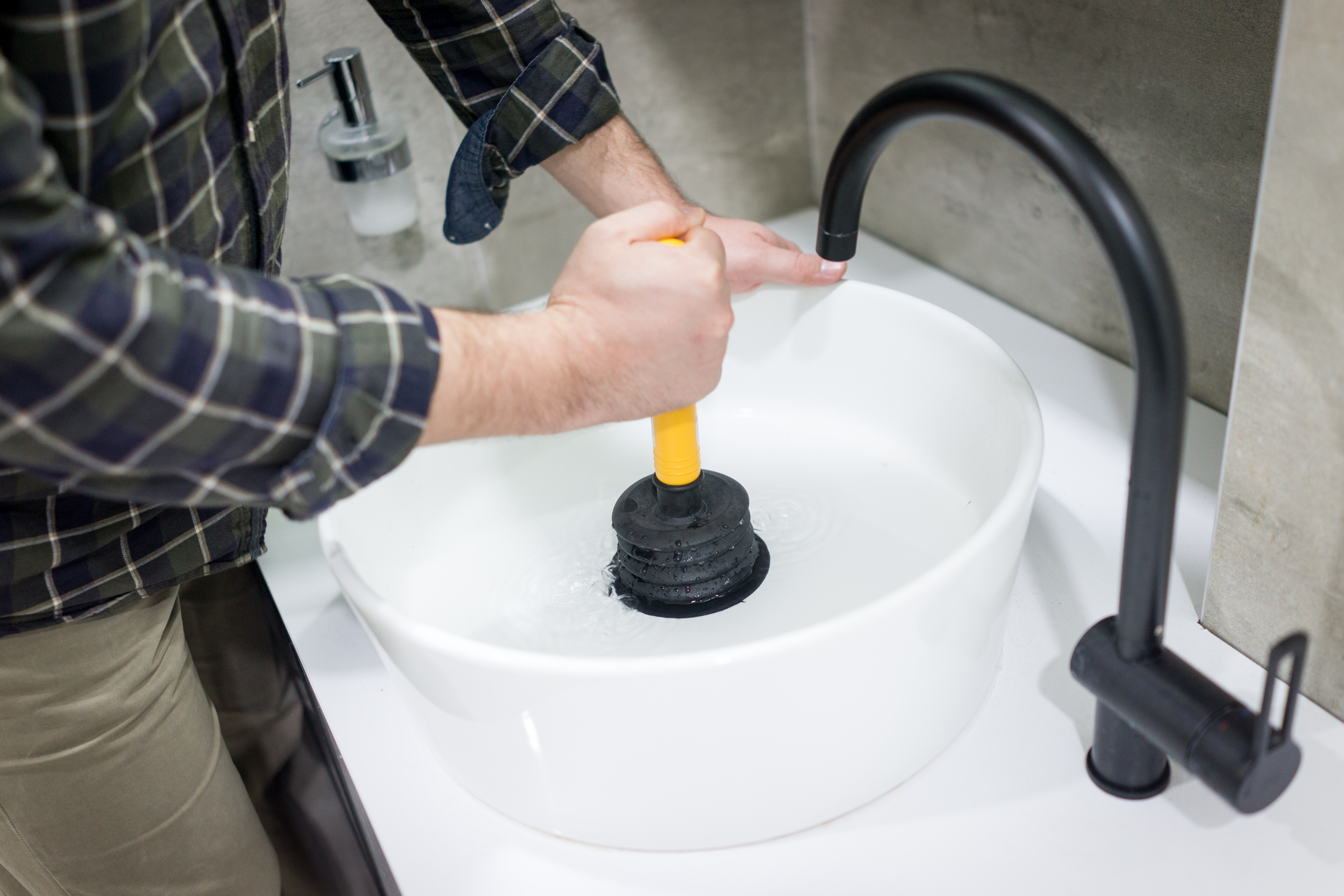
If you have a sink stopper, it can feel more challenging to clean the drain without removing it, but here are a few simple steps:
Pour ½ cup baking soda into the drain using a funnel
Pour 1 ½ cups vinegar into the drain
Close the sink stopper for 15–20 minutes
Open the drain
Pour 2 cups of boiling water down the drain (be cautious as boiling water can damage some types of pipes)
If the drain isn’t unclogged, repeat the process.
While you don’t have to run out and immediately buy a new toilet at the first sign of a clog, if the toilet keeps clogging because it’s a low-flow or poorly designed model, a new toilet may be the way to go. If your toilet keeps clogging, you can try using less toilet paper, adjusting the fill valve, checking the toilet vent pipe on the roof, and using a toilet auger to make sure nothing is stuck in the pipe or trap.
Sometimes, the drain is just too clogged—thanks, stubborn hair and soap scum. In this case, you’ll need a more powerful drain cleaner than you can DIY safely at home. But this doesn’t mean you have to choose a traditional drain cleaner.
You can find biodegradable drain cleaners at your local home improvement store or online for those drains that need a little more oomph.
While on the hunt for a formidable drain cleaner, the best options are non-chemical clog solutions that combine enzymes and bacteria.
The Ekalaka, MT homeowners’ guide to drain cleaning services
From average costs to expert advice, get all the answers you need to get your job done.
When your shower or sink starts draining slowly or not at all, it’s time to act. Get tips for how to unclog a drain, and learn about drain cleaning service pricing.
Are your sinks draining slowly or making gurgling noises? Learn what drain cleaning is, the warning signs of severe clogs, and how to hire a local plumber.