If you dream it, we can build it. What's the biggest difference between us and them? We build to last! We offer a full line of Green and Energy Star Certified products, backed by our labor and manufacturer's lifetime transferable warranties. Credit Cards Welcome Financing Available OAC.
We take great pride in our experience, expertise, quality, and customer service that we provide to meet the consumers' needs. It is our mission to provide excellent workmanship, and complete customer satisfaction from start to completion of a project. In order to understand the needs, and expectations of our customers, we take great care to work, and communicate with every customer in a professional manner. Our reputation is based on service, safety, and quality, regardless of how large or small the job.
Yes, most states require a plumber to be licensed, and for good reason. Hiring an unlicensed plumber could lead to poor quality work, costly future expenses, and potential code violations. Check our state licensing tool to review the local plumber guidelines.
As you browse our pro listings, take note of the “Angi Approved” badge. Angi Approved businesses meet our standards for certification, which include:
The owner, principal, or relevant manager passed a criminal background check
Required to have applicable state and local licenses
Maintain an average star rating of 3.0 or better on our network, if they have at least one review
Paying to advertise their services
Meeting any other eligibility criteria required by Angi
Keep in mind licensing is different from certifications. A license is a legal requirement to operate a business, while certifications are voluntary.
Yes, you can lay a gas grill flat during transportation. Laying it flat can help prevent it from moving around the truck during the journey. It’s still advisable to secure the grill with bungee cords, just in case.
You can maneuver your gas grill into place, but you cannot connect the grill to your gas source yourself. All municipalities mandate that a certified plumber carry out this work, so you’ll have to reach out to a plumber or a gas grill installation company in your area. Given how dangerous a gas leak can be, gas lines and connections are highly regulated, so you’ll need a professional’s help and a permit to install a gas grill.
A few potential problems can cause your gas grill to stop working:
Burners aren’t properly aligned.
Food debris is clogging the burners.
Hose connections may be blocked.
Burners may not be getting enough gas.
Gas valve is not working properly.
If you’re experiencing any of those problems with your gas grill, hire a local grill repair professional to inspect your grill for issues and implement a plan to resolve them.
Most likely, a gas plumber would be the best pro for many components in your home, and you might not even realize it. Natural gas plumbers are responsible for maintaining and installing natural gas lines, including installing appliances that use natural gas. These can include:
Fireplaces
Water heaters
Furnaces
Hot tubs
Clothes dryers
Ovens
Outdoor grills
Gas plumbers are also the pros that would handle a natural gas leak in your home, so it's essential to know the signs of a gas leak before it becomes a dangerous situation.
The Culbertson, MT homeowners’ guide to gas log services
From average costs to expert advice, get all the answers you need to get your job done.
Whether it's time for pipe replacement or to hook up the range of your dreams, gas line installation cost is an important line in your budget. Let's take a look.
This guide shares information about the cost to remove a gas fireplace, including the average price to additionally remove the breast, stack, and chimney flue as well as which experts will be needed to complete the project.
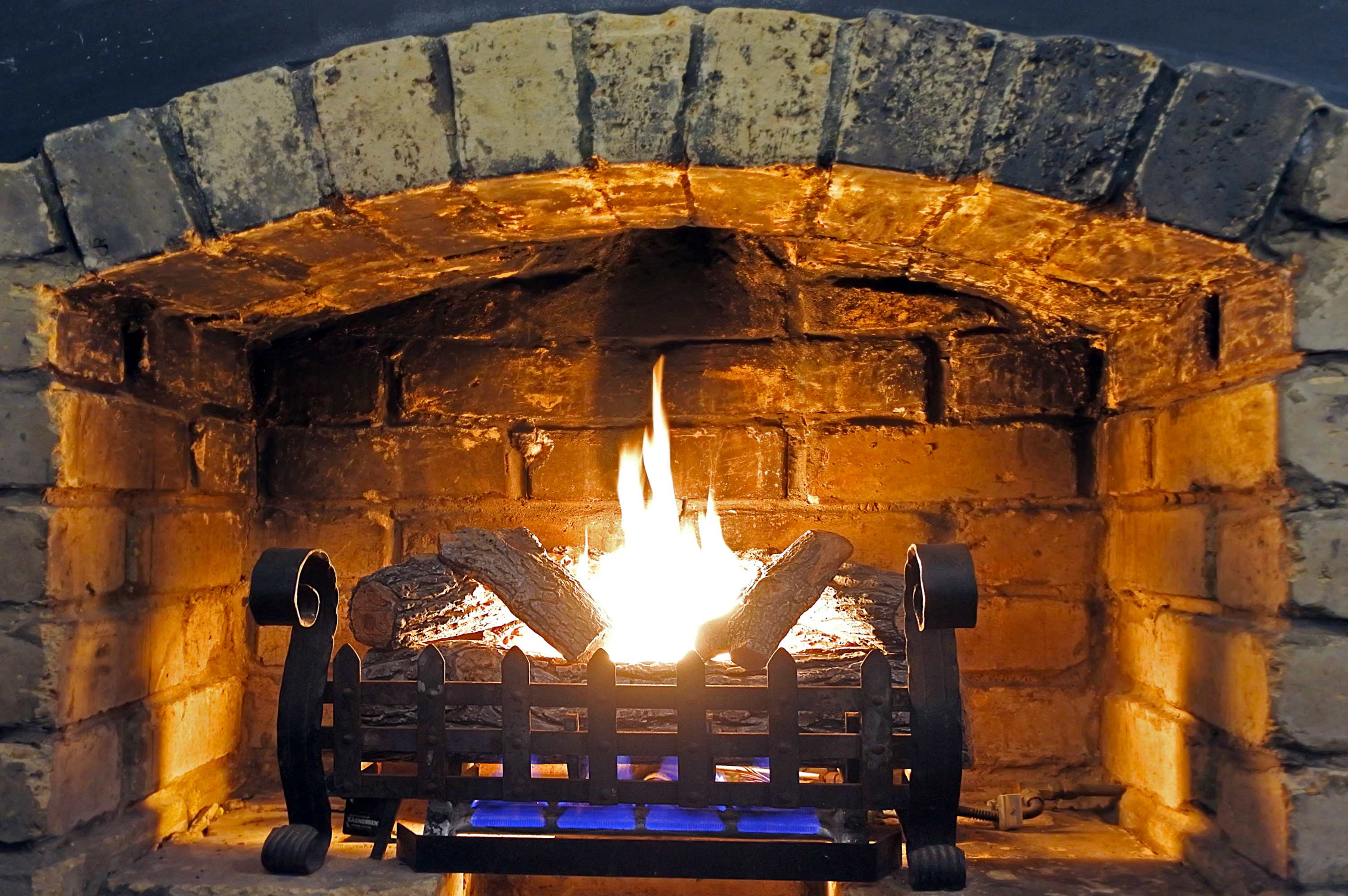
Ventless gas logs serve the same purpose as vented gas logs. But that doesn’t mean they’re interchangeable. Find out more on whether you can use ventless gas logs in a vented fireplace or not using this informational guide.
When comparing vented versus ventless gas logs, vented logs are better for ambiance, while ventless gas logs are easier to install and heat a room efficiently.