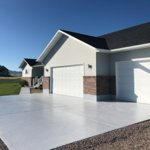
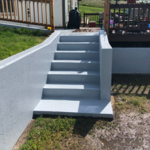
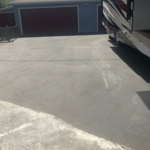
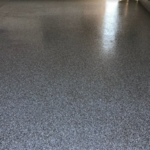
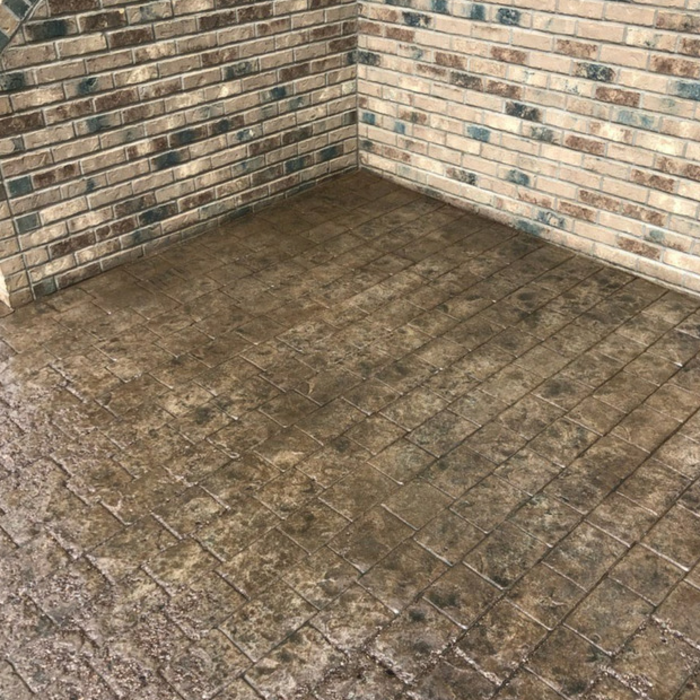
"MDK did a fantastic job! Because building professionals from all fields are extremely busy in Montana during the summer high volume construction months, it's difficult to find specialized contractors. I was able to get three separate proposals but would have had to wait for two months for two of the professionals to get a job started. Tony at MDK really pulled a rabbit out of the hat. Between jobs in Dillon, Butte and Big Sky, Tony put in a week of long days and nights to completely prep, finish, speckle and overcoat my 600 sq ft garage. Because of his work ethic, punctuality and professionalism, I asked him to add a two foot spray guard around the inside perimeter of the garage to match the floor finish. I plan to over-finish the patios and walkways in the future to prevent cracking and expedite snow removal."
If you dream it, we can build it. What's the biggest difference between us and them? We build to last! We offer a full line of Green and Energy Star Certified products, backed by our labor and manufacturer's lifetime transferable warranties. Credit Cards Welcome Financing Available OAC.
I've done concrete commercial and residential for 8+ years I want to start my own business I've also done decks and landscaping too I can do alot of things
The ideal base for concrete is even, firm, and permeable to encourage drainage. Depending on your project's weight requirements, a combination of gravel, sand, or other aggregates is best. While you can technically pour concrete over grass, dirt, or an old piece of concrete, you risk threatening the concrete's stability.
It’s possible to pour concrete if the temperatures are expected to dip below freezing at night, but you need to take some special precautions before you do. Most importantly, you need to make sure your concrete won’t freeze, so the best thing to do is enclose the area and heat it. You should also make sure you’re using cold-weather concrete that’s designed for pouring in cold weather. Use accelerants to help speed up the curing process and avoid cold temperatures from resulting in weak concrete.
Yes, you can pour concrete if it rained the day before, but you’ll need to drain the construction site to ensure there isn’t standing water where your slab will sit. You might need to manually remove any puddles and set up drainage on your site to dry it before pouring. Moist soil won’t be an issue, but standing water will throw off your concrete mix ratios. Additionally, ensure there isn’t more rain expected in the near future before you pour.
Aim for a concrete thickness of at least 4 inches for the walls of your above-ground storm shelter and 3.0 to 3.5 cubic yards of concrete for the base of your storm shelter. If you’re concerned about the thickness of your concrete while building a storm shelter, get in touch with a professional storm shelter builder to make sure your work is up to code and safe.
While fumigation chemicals cannot pass through solid objects, they will seep into any openings in walls, doors, or other closed spaces. This allows them to get into tight places where pests may be hiding and causing damage, like termites ruining the foundation of your home. It also means that your home needs to ventilate for 48 hours before returning to ensure that no harmful chemicals remain in your space.
The Conrad, MT homeowners’ guide to concrete wall construction
From average costs to expert advice, get all the answers you need to get your job done.