





Top-rated buffing and polishing pros.

Best buffing and polishing pros near Big Timber, MT

Enter your zip and get matched with up to 5 pros

Need a pro for your buffing and polishing project in Big Timber, MT?

Select your specific project to find the pro for you.

Top-Rated Buffing and polishing pros in Big Timber - Updated Nov 2026

Jay Handy Man of AZ
New to Angi
Clean & Polish Flooring - For Business

Serving Big Timber, MT and surrounding areas

In business since 2007

Free estimates

Credit card accepted

Jay Handy Man of AZ is your best choice for all your home improvement needs in Bozeman and the surrounding communities. We take pride in providing the highest quality finished projects and our customer service is second to none! Our customer's complete satisfaction is our top priority! \n \nCall us today for a free estimate!

Response time5 hrs
Buffing and Polishing FAQs, answered by experts

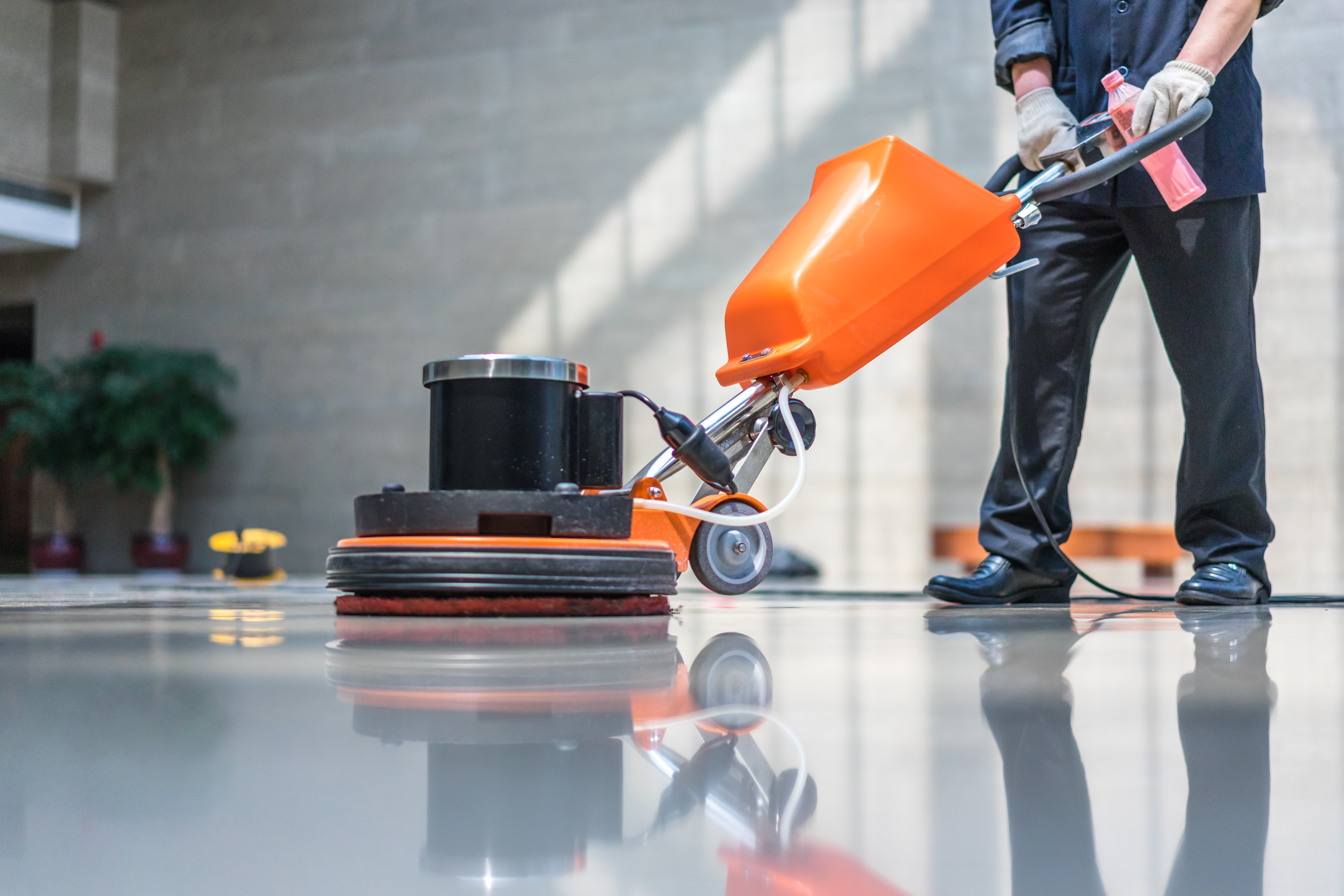
Yes, it is possible to buff and polish your floors yourself, particularly for smaller areas. However, this is considered an intermediate-level DIY project that is time-consuming and requires patience and know-how. The process involves cleaning the floors before applying a polish, which can be done manually with a cloth or with a rented or purchased floor buffer and buffing solution. If not done correctly, you risk leaving burn-like marks, puddles, or an uneven finish, which could lead to costly repairs. For larger spaces or to ensure a professional result, hiring a professional is often worthwhile. They use industrial equipment to complete the job faster, providing a deep clean and a more even, polished finish without damaging your floors.

It depends on the material. Sandstone, slate, and granite can be slippery in wet weather. Applying a sealant to the stone can often stop it from absorbing moisture and may reduce the likelihood of slipping. If you're concerned about losing footing, a safer option might be bluestone or concrete.

Yes, stains can often be removed using a poultice paste that draws out the stain. The paste is applied, allowed to dry, and then removed, lifting the stain from the stone.

The frequency for sealing granite countertops depends on several factors, including the type of sealant used, the color of the granite, and how heavily the countertops are used. As a general guideline, resealing is often recommended every 12 to 18 months, but some sources suggest it could be as often as every few months or at least once a year.

The type of sealant is a major factor: water-based sealants may need reapplication every six months to a year, while more durable solvent-based sealants can last for five to 10 years. Additionally, factors like heavy kitchen traffic, frequent use of acidic cleaners, and lighter granite colors may require more frequent sealing to prevent staining.

To determine if your countertops need resealing, you can perform a simple water test. Place a few drops of water or a wet paper towel on an inconspicuous area of the granite. After 10 to 15 minutes, check the spot. If the water has beaded up, the seal is still intact. If the water has been absorbed and darkened the stone, it's time to apply a new coat of sealant. You can choose to seal the granite yourself or hire a professional to ensure it's done correctly.

Cracks, chips, stains, and worn-out sealant are common issues requiring repair.

The Big Timber, MT homeowners’ guide to buffing and polishing services

From average costs to expert advice, get all the answers you need to get your job done.