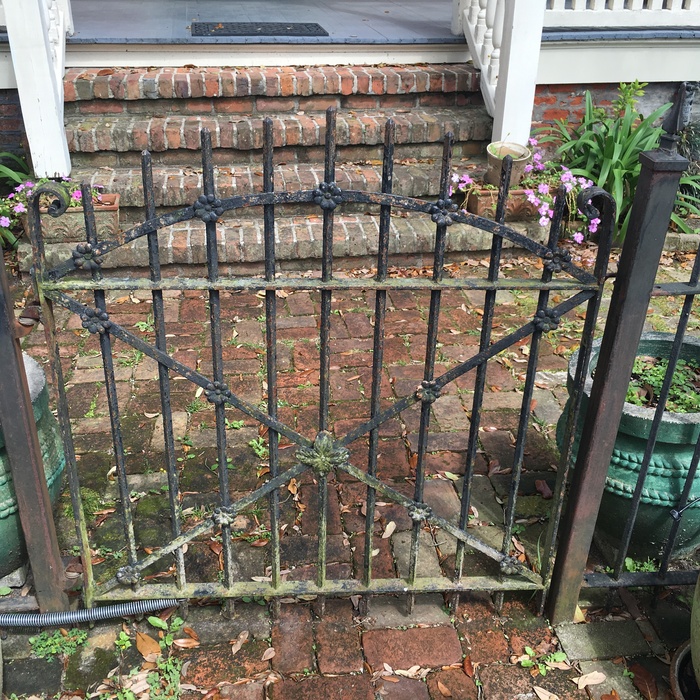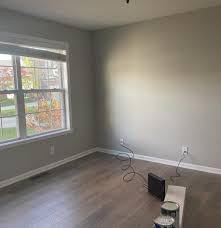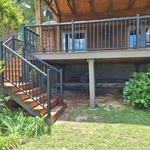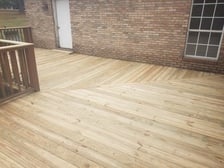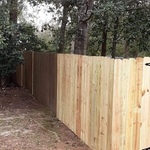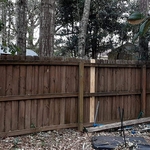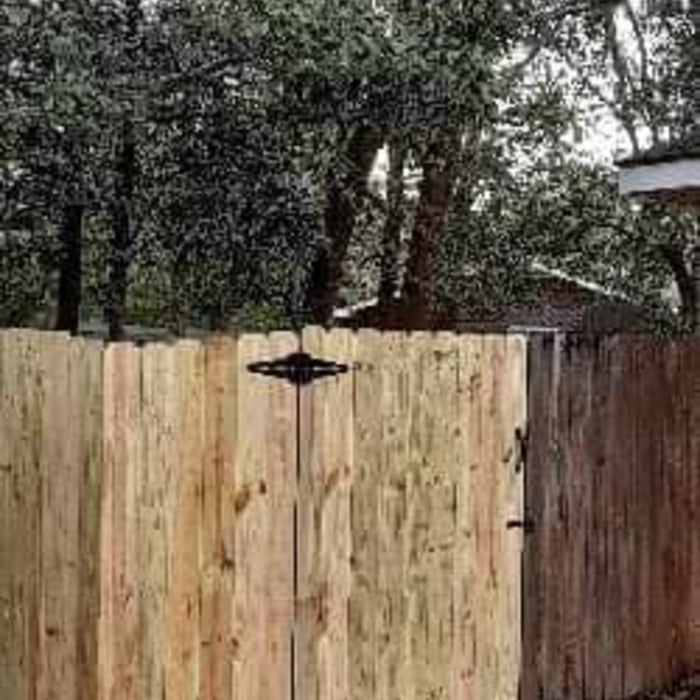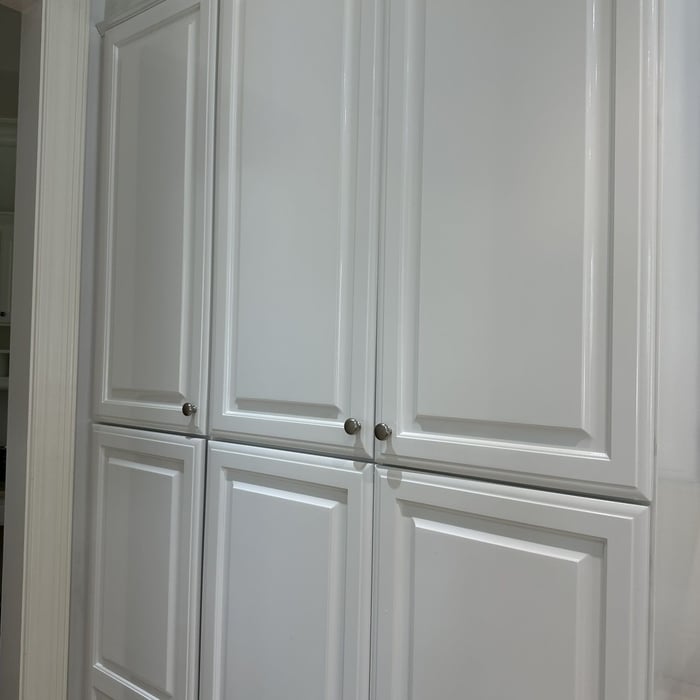






"Best contractor I've ever hired for any project. They started by washing everything the first day, along with scraping and filling gaps. They are meticulous in their painting methods. The house looks beautiful! Would hire them again in a heartbeat."
"The guys are very nice and professional. They installed a door for me and also replaced my old deck. They did a very good job and the work was completed in a timely manner. I would highly recommend this company and would hire them again if i ever need any more work done."
"They're not quite done yet and I am so pleased. Kris and his worker arrived on time ready to do the job and I am 150% pleased. I'm looking forward to see it when complete. I'll send some pics"
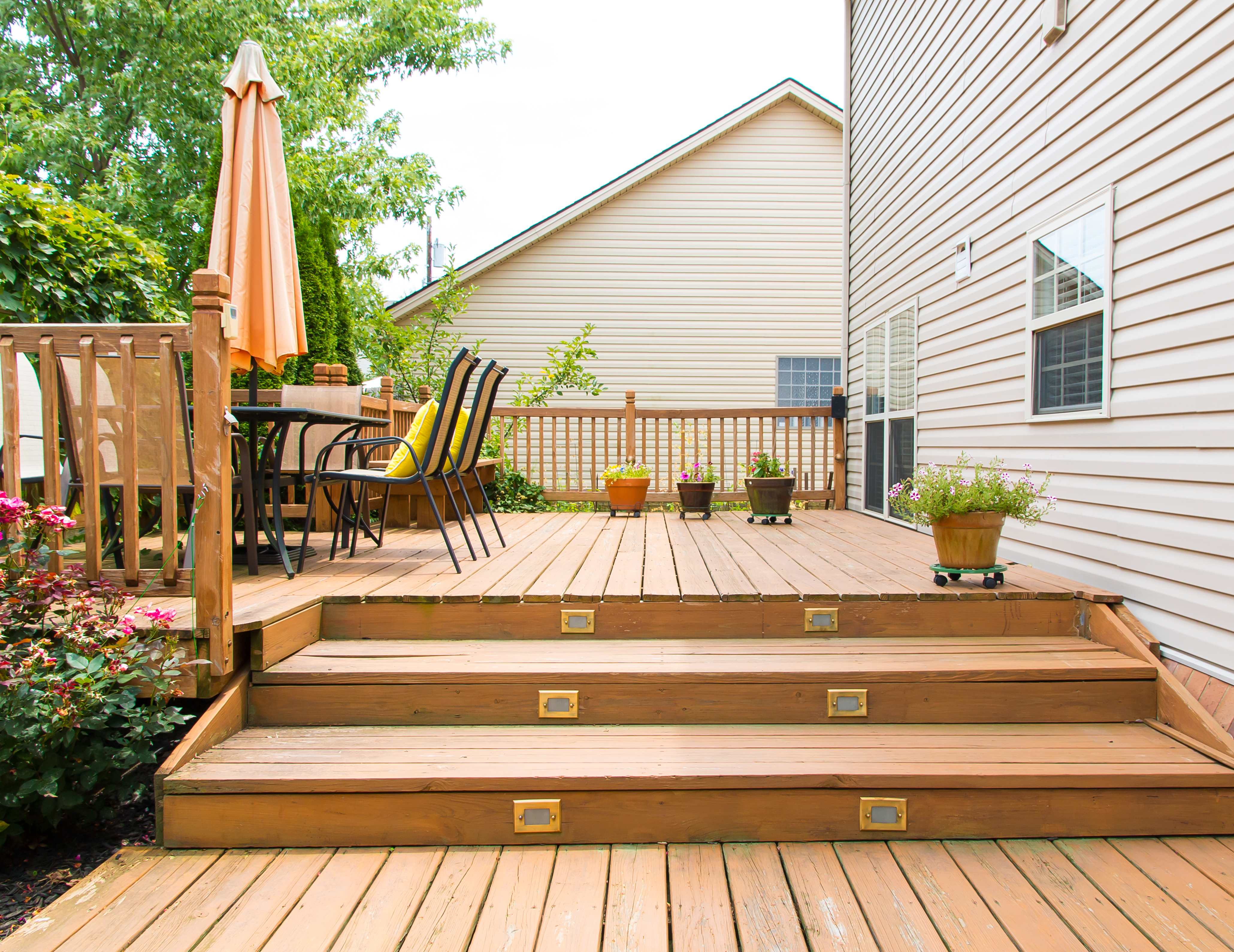
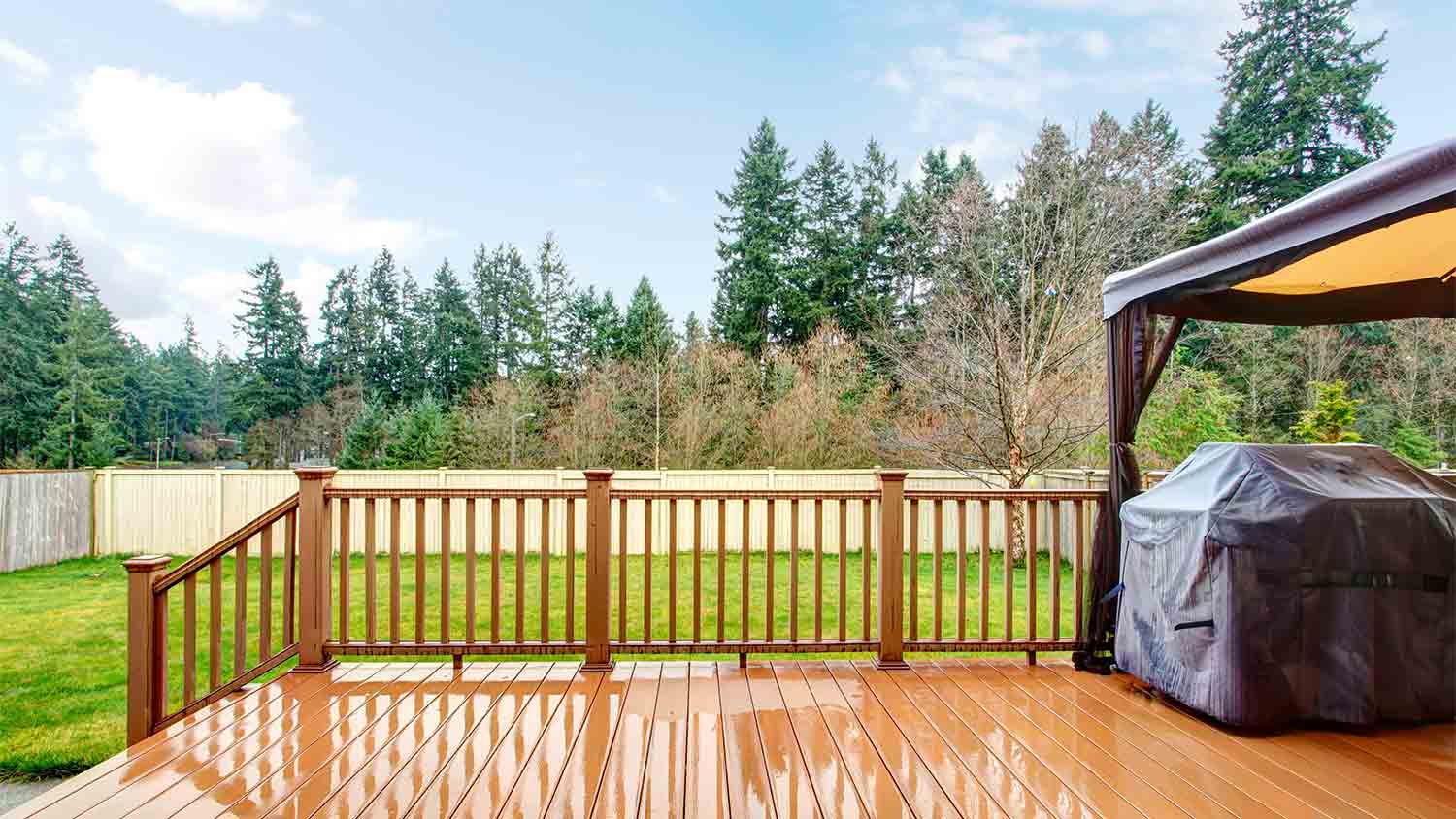
"There is no category to put Michael in. We hired him to paint and he wound up doing it all. Interior and exterior renovations and painting. He has a great eye for colors and even put hardy plank over the old stucco on our house. He made a column out of wood and stained it a beautiful dark, rich color to complement the creamed colored hardy plank. He customized our 8 x 24 pantry with wooden stained shelving, cabinets and closets. In the rest of the house he put shiplap on a couple of feature walls and painted the whole house. Very professional and reasonably priced. I will hire him again in the future for ANY other projects."
Hi im Jesse former Husband and Father for 30+years. I have seen and fixed just about everything that can possibly break or fail inside and outside a home. From installing Floors to making ceilings repairs. Framing and sheetrock installation, replacing doors external and internal. I can haul anything from Vehicles to trash and furniture. I'm a mobile Mechanic also from brake jobs to tune ups and other repairs. Cutting grass, weed eating, Thanks God Bess.
Oxygen bleach uses hydrogen peroxide as a base and won’t harm wood when using it as a cleaner. On the other hand, chlorine bleach breaks down wood at the cellular level and causes irreversible harm. Although you may not see immediate damage to wood after exposing it to chlorine bleach, its strength and integrity are now compromised.
Wood stains last anywhere from two to five years, depending on exposure to the elements, your local climate, the type of stain, and the surface it’s on. For instance, vertical surfaces last longer than horizontal surfaces. Some types of woods, like dense hardwoods, will require a recoat yearly, as they are too dense for the stain to absorb. In any event, apply a recoat every 2 to 4 years. As for storage, a can of unopened stain can last up to 5 years, though results may vary.
Rags used with oil-based stains are highly flammable and can spontaneously combust in the right conditions. To reduce the fire risk, throw them in a metal container after use and add rocks on top to secure them. Add an inch of water and seal the container. Take the rags in the container to a hazardous waste factory as soon as possible.
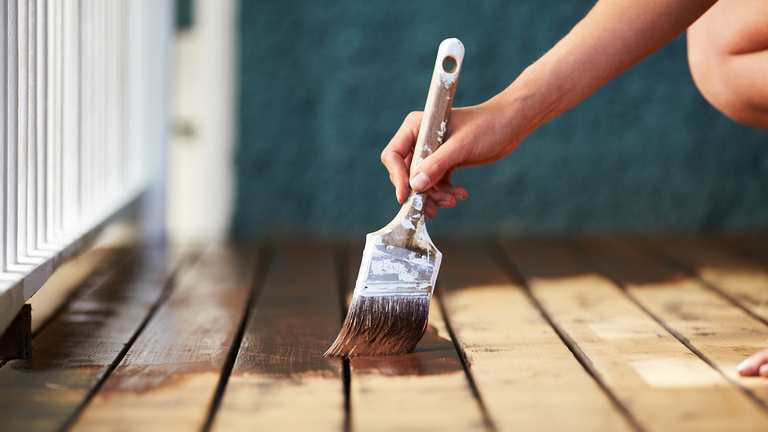
Stains penetrate wood best when it's cool and dry, so you want to avoid moisture. If the wood is wet upon application, or if it rains before the stain dries, the water will soak into the wood and displace the staining solution. This leads to a flaky and blotchy look, which is the opposite of a sumptuous even coat. Once the stain has fully cured, after about 3 days, rain shouldn’t cause you any problems.
Staining or sealing a cedar deck or fence is highly recommended to extend its lifespan and protect it from the elements. While cedar is naturally resistant to mold and mildew, it is not impervious to damage from moisture, sun exposure, splintering, fading, and rot over time. Applying a protective finish creates a shield that preserves the wood's strength and appearance, potentially extending its life by five to 10 years.
When choosing a finish, it's helpful to understand the difference between a sealer and a stain. A sealer sits on top of the wood, whereas a combination stain and sealer soaks into the top layer. Because it penetrates the wood, a stain generally offers better protection against UV damage and rot and lasts significantly longer. For the best results that also preserve the wood's natural color, consider using a near-translucent stain.
To maintain protection, plan on reapplying the stain or sealer every two to three years, either as a DIY project or by hiring a professional.
The Waveland, MS homeowners’ guide to deck staining services
From average costs to expert advice, get all the answers you need to get your job done.
The best time to stain a deck is when it’s dry but not too sunny. How often you restain a deck depends on climate and wood type, but every two to three years is normal.