






Top-rated structural engineers.

Get matched with top structural engineers in Utica, MS

Enter your zip and get matched with up to 5 pros

Need a pro for your structural engineering project in Utica, MS?

Select your specific project to find the pro for you.

Find Structural engineers in Utica

Avatar for Hall Engineering, LLC
Hall Engineering, LLC
4.3(
9
)

Serving Utica, MS and surrounding areas

In business since 2015

Free estimates

Credit card accepted

"Mr. Hall showed up on time and completed his work as stated. He answered all my questions and understood my concerns. He even recommended a reputable company to do the repairs."
Response time1 day
Response rate91%
Recommended by88%of homeowners
Structural Engineering questions, answered by experts

It is not recommended to cut or drill into LVL (laminated veneer lumber) beams. As major structural components of a home, their composite structure can be compromised by alterations, which can weaken them and lead to cracking over time. If you must make modifications to an LVL beam, it is crucial to consult a structural engineer or general contractor first. A professional can advise on whether it's safe and provide specifics on the appropriate bit size, depth, and directionality for any necessary drilling.

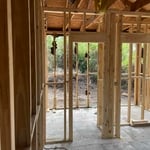
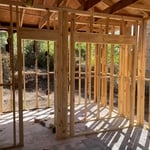
It's safe to assume that all exterior walls are load-bearing, or at least have load-bearing characteristics. Some older homes feature porches or bump-outs that don't rest on the home's foundation. However, they still must carry the weight of the roof section they support. Walls containing floor-to-ceiling glass or other non-structural elements must use post and beam configurations to meet load-bearing criteria.

In framing, studs are placed at 16-inch intervals to coincide with the typical spacing of wall materials such as drywall or plywood. This spacing is called "on-center" and is necessary for maintaining structural stability and efficient use of materials. The 16-inch spacing also helps to distribute the weight evenly across the building's structure. For those looking to cut material costs and improve energy efficiency, 24-inch stud spacing can be employed through a method called "advanced framing". This requires careful planning and adherence to local building codes to ensure structural integrity.

The depth of any foundation style depends on your climate and how deep the frost line is, as building code requires that the footers of a foundation—which are built into a monolithic slab—sit at least a foot below the frost line. At the southern tip of Florida, for example, a monolithic slab foundation would only need to sit 12 inches under the soil at the widest parts. On some parts of the Canadian border, the frost line is 100 inches, which would mean a minimum of 112 inches, which is prohibitively deep for a monolithic slab.

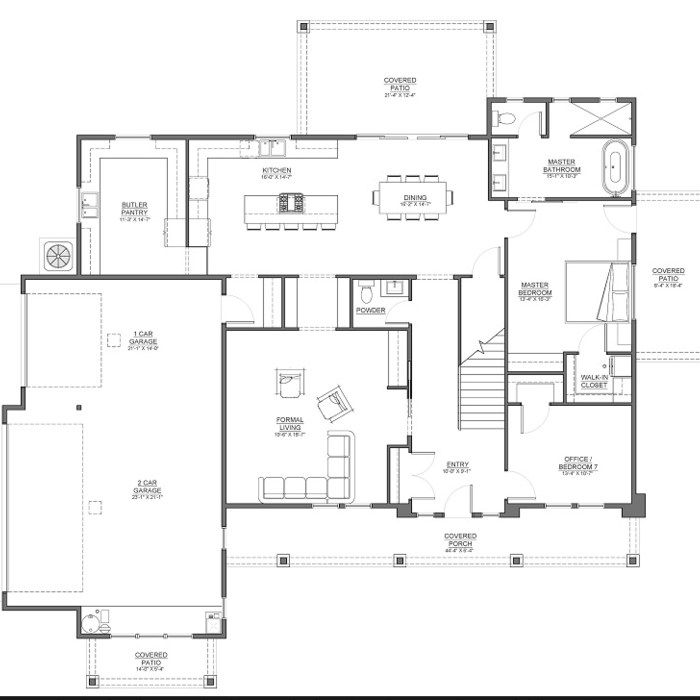
Structural engineers draw structural plans, which include detailed drawings of the structural components of a home only. Complete house plans will require additional work from an architect or draftsperson, whose drawings will take the structural drawings into account. They’ll also include more details about the finishing materials and layout of a home, including everything from roofing and flooring materials to the position of furniture, light fixtures, switches, and plumbing fixtures.

The Utica, MS homeowners’ guide to structural engineering services

From average costs to expert advice, get all the answers you need to get your job done.

What do you need done? We’ll find top pros.
  • 🌱 "Mow a small front yard"
  • 🛠 "Fix a leaking pipe under the sink"
  • 🏠 "Repair shingles on an asphalt roof"