



Top-rated insulation pros.

Get matched with top insulation pros in Polkville, MS

Enter your zip and get matched with up to 5 pros

Need a pro for your insulation service project in Polkville, MS?

Select your specific project to find the pro for you.

Find Insulation pros in Polkville

Avatar for Pro Seal Spray Foam, LLC
Pro Seal Spray Foam, LLC
5.0(
3
)
Spray Foam Insulation - InstallBatt, Rolled or Reflective Insulation - Install or Upgrade

Serving Polkville, MS and surrounding areas

Approved

In business since 2017

Free estimates

Credit card accepted

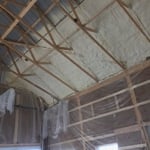
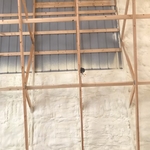
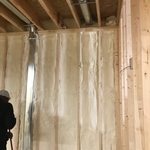
"Performed insulation work on our home. Vacuumed out the 25 year old blown in insulation on day one, then sprayed in foam for the whole roof to include the attached garage, and cleaned up afterwards. When there was confusion of the work they performed (my fault) Lee called me up to see if we were satisfied and was willing to do more to make me happy, but this was not necessary after he explained the work performed and I agreed that all was good. They came in on the week promised, delivered what was expected, and at a very competitive price. Also for veterans, they do give a veterans discount, so don't forget to ask."
Response time2 days
21 neighbors recently requested a quote
Green Leaf Insulation LLC
4.9(
91
)
Batt, Rolled or Reflective Insulation - Install or UpgradeBlown-In Insulation - Install or Upgrade

Serving Polkville, MS and surrounding areas

In business since 2011

Free estimates

Small jobs welcome

"The service guy was very polite and he also explain his work he was very thorough inside the house outside the house and under the house and he wasnâ t in any hurry. I called that dedication to the job."
Insulation
Insulation
Response time4 hrs
Response rate91%
Recommended by100%of homeowners
Showing 1-10 of 27
Insulation questions, answered by experts

Minimal, mainly occasional checks for damage or mold in extreme conditions.

Ductwork sweats due to a temperature difference between the air inside the ducts and the surrounding air, similar to how a cold drink develops condensation in the heat. This sweating is a sign that your HVAC system is not operating at peak efficiency. The best way to keep ductwork from sweating is to wrap it in proper insulation, which also improves your system's energy efficiency. Another option is to close off your crawl space and install a dehumidifier to dry the air and lower its dew point.

EIFS (Exterior Insulation and Finish System) siding can last from 20 to 60 years, with some properly maintained systems lasting even longer. The exact lifespan depends heavily on several factors, most notably the quality of the initial installation and the consistency of maintenance.

Factors that can shorten the life of EIFS include:

  • Improper or poor-quality installation

  • Moisture intrusion

  • Damage from high winds, storms, or hail

  • Damaged flashing and sealant

  • Lack of regular maintenance and unfixed damage

To maximize the lifespan of your EIFS, it is crucial to hire an experienced and qualified professional for the installation. Additionally, regular maintenance—such as cleaning, repairing small cracks or blisters, and having the system professionally inspected—will help identify and resolve issues quickly, preventing long-term damage.

At a minimum, blown-in insulation lasts 20 to 30 years. Cellulose and sheep’s wool come from natural materials, so they likely max out at around 30 years. Fiberglass and rockwool feature artificial materials that boast lengthy lifespans, up to 50 years, or even longer in some cases. As always, this timeline assumes you don’t run into any issues, such as flooding or mold, that shorten the lifespan.

The amount and type of insulation your home needs depends on your location, climate, and the specific installation area (attic, walls, or floors). Your local building code will typically determine the minimum required R-value. For specific recommendations, Energy Star suggests the following R-values: homes in the Southern U.S. should have R30 to R60 in attics and R13 to R25 in floors and walls; homes in moderate climates need R38 to R60 in attics and R25 to R30 in floors and walls; and homes in northern states require R49 to R60 in attics and R25 to R30 in floors and walls.

The Polkville, MS homeowners’ guide to insulation services

From average costs to expert advice, get all the answers you need to get your job done.