


"Did an awesome job!! Very professional service and was very pleased with cost, and finished results was by far better than any of the other several pressure washing companies I?ve used over the years!!! Will definitely be using them again!!"
We have a single mission: Complete Customer Satisfaction! We have consistently focused on the needs of our customers, providing personalized attention and a stress-free experience.\nYou will find us to be competitively priced with close attention to the details.\nOur reputation is based on service, safety, and quality, regardless of how large or small the job.\nWe look forward to building a lasting relationship and guarantee your satisfaction!\n
I am a very detail retired retail manager of 32 years of dedicated service. After all of these years in retail management I have quite an eye for the smallest details when it comes to cleaning your home or cutting your grass.
Affordable Quality Pressure Washing is committed to excellence in every aspect of our business. We uphold a standard of integrity bound by fairness, honesty, and personal responsibility. Our distinction is the quality of service we bring to our customers. Accurate knowledge of our trade combined with ability is what makes us true professionals. Above all, we are watchful of our customers' interests and make their concerns the basis of our business.
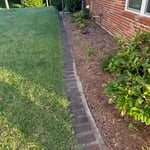
"very easy to work with my schedule. was extremely careful with my plants while pressure washing the house. Did outstanding job at a very reasonable rate. Highly Recommend"
"Repaired a wooden fence and replaced a gate. At this time part of what was fixed is coming apart. Note to self ...do not hire a power wash company to fix a fence."
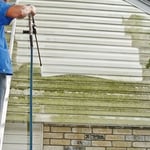
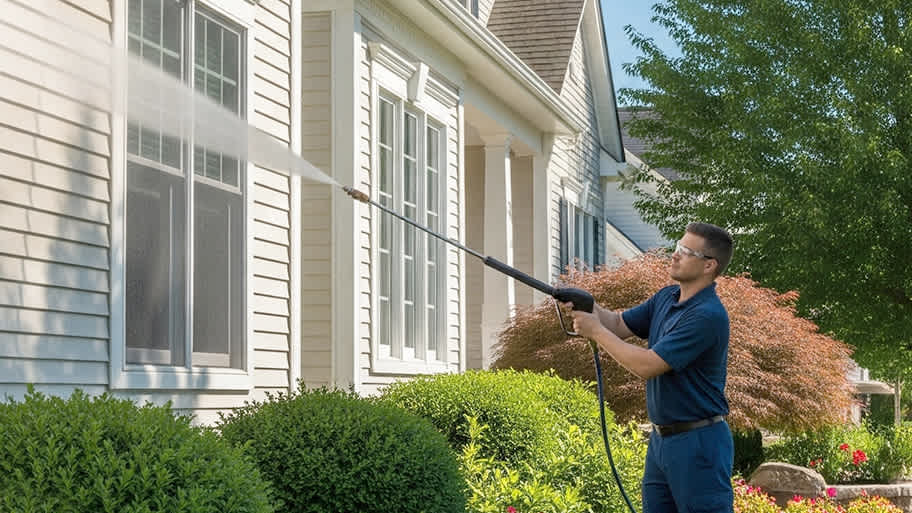
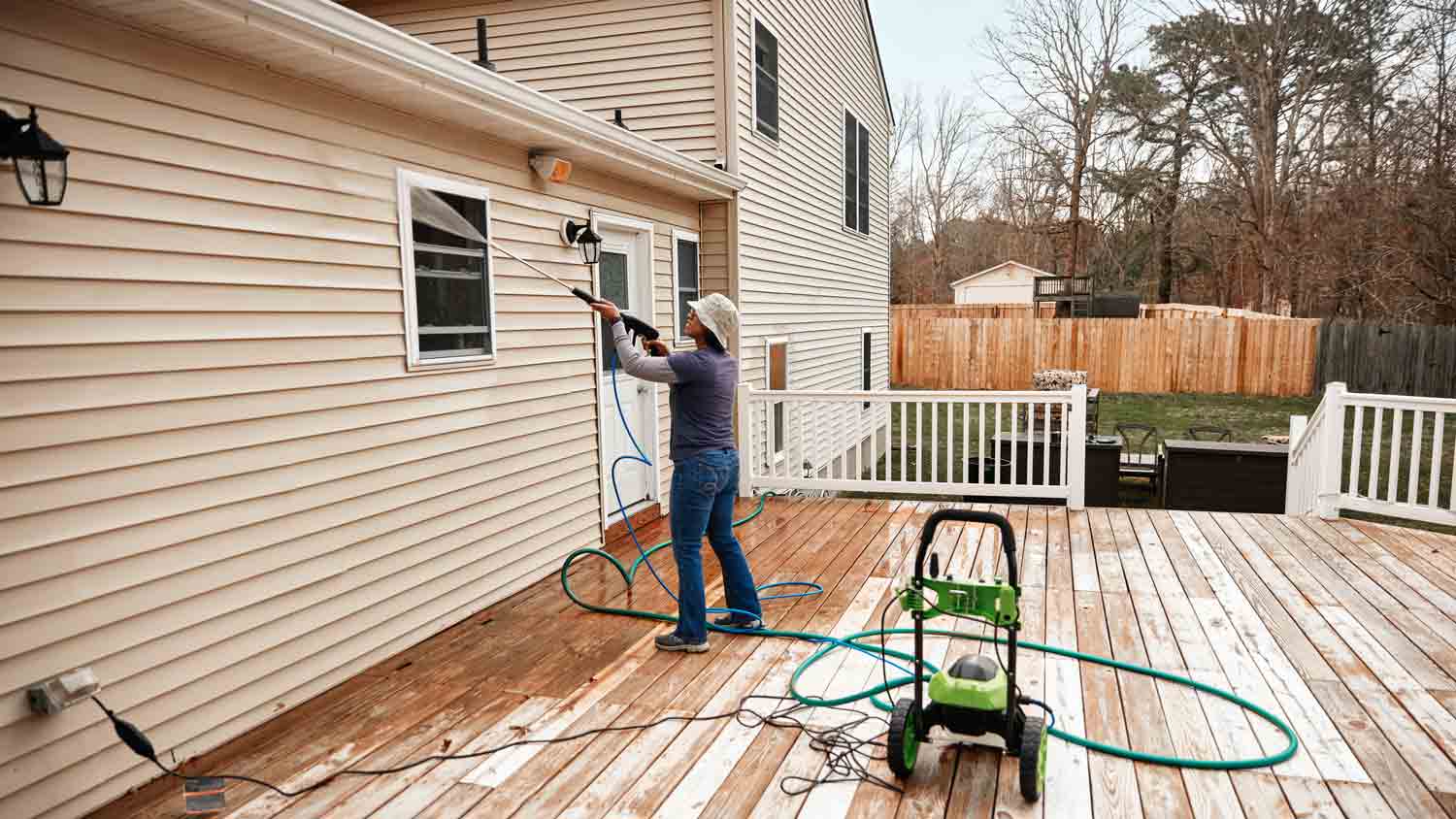
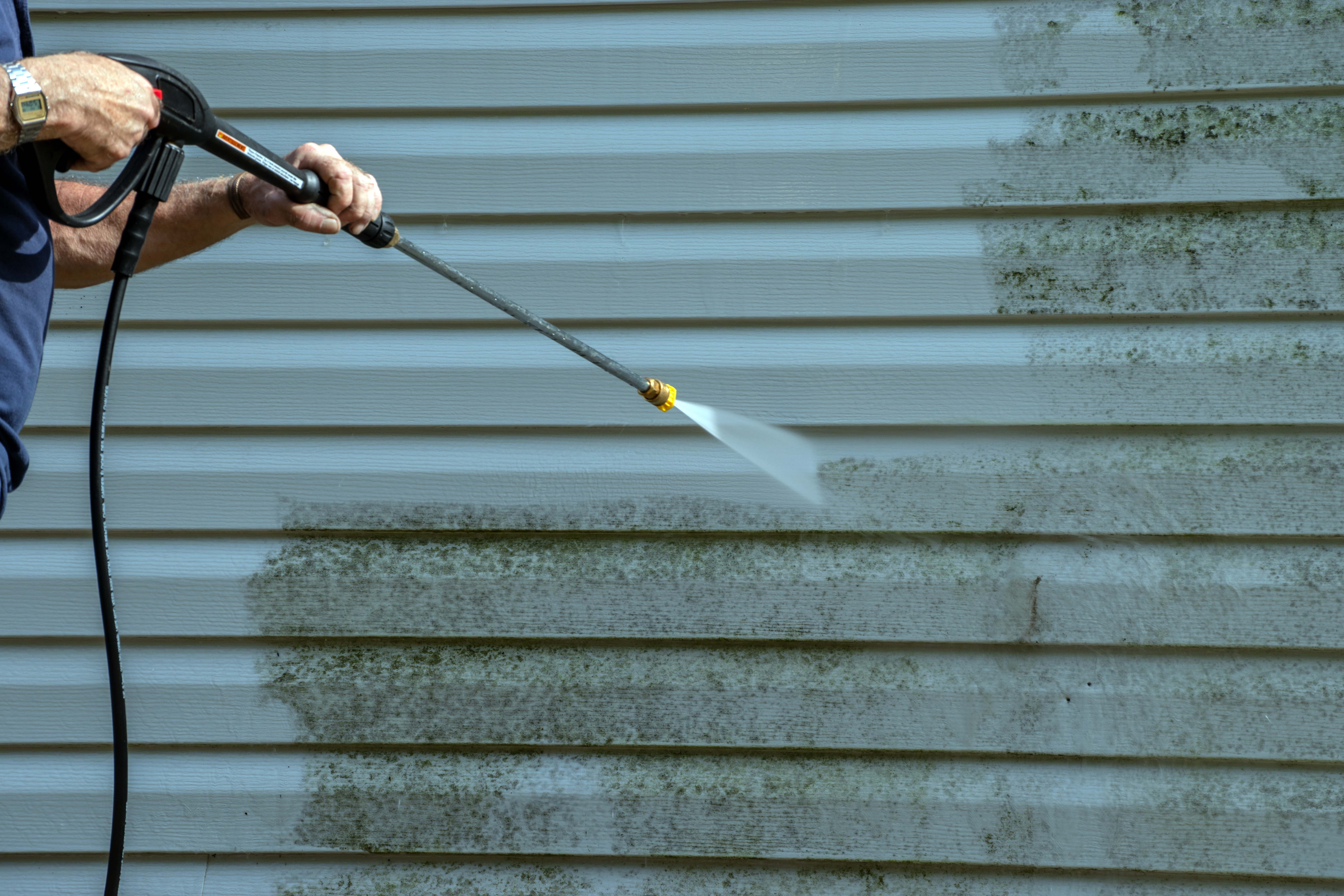
Yes, you can safely pressure wash vinyl siding. As a durable material, vinyl can typically withstand pressure up to 3,000 PSI, holding up better than other siding types like aluminum or stucco. However, it's crucial to operate the pressure washer correctly to avoid damage. Before you begin, repair any existing cracks or damage to the siding. For a safe setup, use a 15- or 25-degree nozzle and maintain a distance of at least three feet from the siding to prevent splashback and damage.
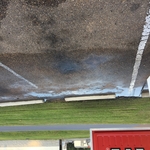
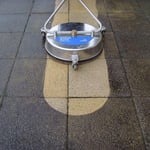
Pressure washing your driveway can prevent cracks in it since it removes grease and oil, which, if left on the driveway for too long, can break down compounds in concrete and asphalt, leading to cracks. It can also help keep driveway weeds, moss, mold, and mildew at bay while boosting your home's curb appeal.
You don't technically need to seal your driveway after pressure washing, but doing so will help keep your driveway clean for longer. The best driveway sealer depends on the type of driveway you have. To seal asphalt, consider an asphalt emulsion sealer, fast-drying sealer, or latex acrylic sealer. Concrete driveways commonly use acrylic sealers or penetrating sealers.
If you’ve looked at power washing before and after photos, you might be wondering if this option isn’t the better cleaning solution for a wood fence. In fact, it just might be, especially if you’re struggling with issues like mold or embedded dirt. Keep in mind that the only difference between these two methods is that power washing uses hot water and pressure washing doesn’t, but sometimes such a small distinction can have a huge impact.
Professionals use high-pressure steam cleaners, brushes, and specialized cleaning solutions for effective results.
The Jayess, MS homeowners’ guide to pressure washing services
From average costs to expert advice, get all the answers you need to get your job done.
Pressure washing your fence can restore its appearance and keep your home looking great. Learn how much it costs based on factors like square footage and material.
The cost to pressure wash driveways ranges from $100 to $350 on average, depending on the driveway size and material. See common cost factors in this guide.
Pressure washing your home can be a quick way to get the exterior of your house clean. But, not every part of your home can hold up to the intense pressure of power washing. This guide breaks down what can (and can’t) be safely pressure washed.