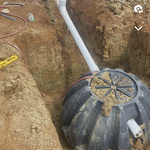
"Two commodes were backing up with slow drains and kitchen sink began gurgling. I contacted Charlie to take a look at the job., he found a blockage in the main drain. He found a 24”x12” bag along with other debris stuffed in main drain. Plumbing works fine naw. Naval vet Charlie and his wife Angela ate determined and definitive pros that are determined to resolve an issue til completion Highly recommend these pros"
At Extreme Concrete, we bring years of experience to the table and look forward to delivering expertise to your doorstep. We are proud servants of our community and look forward to working with you.
"Very professional service. Price was as quoted and less than local competitors. Showed up a little late but contacted us to let us know he was running behind first. Took about an hour to complete the work. Would definitely use them again."
"Noah is a very professional young man that has a great understanding on how to perfect a existing mechanical operation. We have also used him to design new electrical conveyors & sorters for the packing operation. lots of talent with this guy! Give him a shout."
"Became available for an estimate right after contacting. Visited the property and provided a good estimate as well as info on how to repair the concrete"
The best thing to cut metal pipe is a durable pipe cutter that is made for metal. You may want to measure the diameter of the pipes before purchasing a pipe cutter to ensure it will be able to cut your metal pipes. Opt for a heavy-duty option to cut through metal like steel or cast iron.
Cutting rectangular ductwork requires careful measurements and the right technique. Use a measuring tape and pencil to mark the cutting lines accurately. Tin snips are excellent for straight cuts on smaller ducts. For more extensive or thicker rectangular ducts, a reciprocating saw with a metal-cutting blade is effective.
Ensure the duct is well-supported and secure while cutting to prevent wobbling and maintain precision. After cutting, use a metal file to smooth any sharp edges, ensuring safety during installation.
Costs depend on unit complexity, labor, wall mounting needs, and additional accessories like floating shelves.
Yes, you can use a saw to cut metal pipes. The best saw to use is a reciprocating saw, but even a fine-tooth hacksaw can get the job done. No matter which saw you use to cut metal pipes, wear protective gear, like work gloves, safety goggles, and ear plugs. Apply a firm, steady pressure to the tool, and always ensure the pipes are secured so they don't move while you make the cuts.
Welders use a variety of methods in their trade. Different types of welding are better suited for different purposes and contexts. For example, stick welding is a versatile form suitable for most metals and alloys.
The most common types of welding include:
Stick welding: $100–$1,000
Metal Inert Gas (MIG) welding: $250 and up
Tungsten Inert Gas (TIG) welding: $250 and up
Gas welding: $150 and up
Forge welding: $15–$25 per hour
The Ecru, MS homeowners’ guide to concrete cutting services
From average costs to expert advice, get all the answers you need to get your job done.
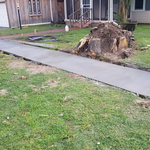
Time to get rid of that old chipped and crumbling walkway? Concrete removal costs can add up, but you have options to simplify the process. Learn more here.