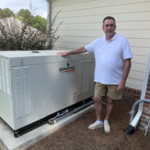
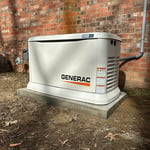
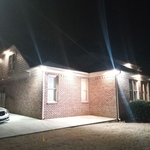
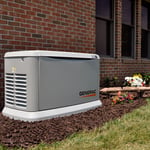
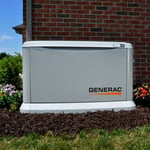
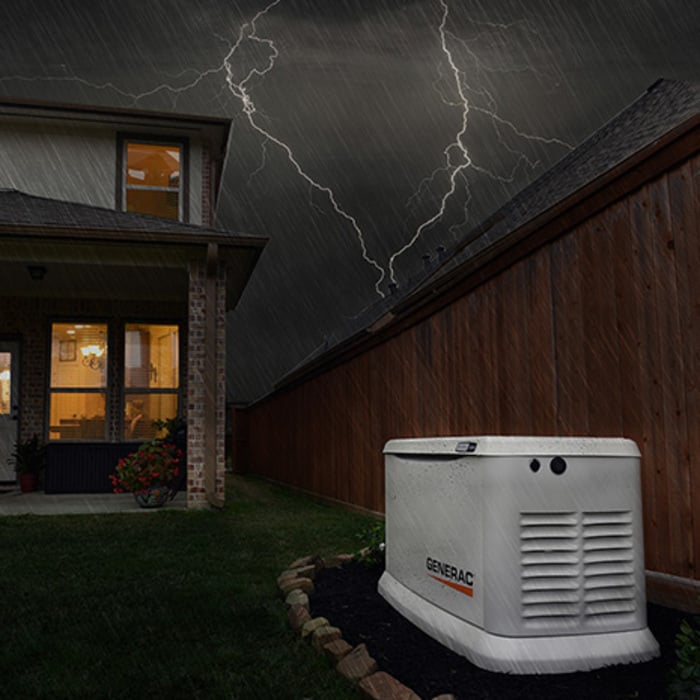
"Quality Construction Engineering did an outstanding job installing the generator at my home! I truly appreciate their professionalism, quality workmanship, and attention to detail. Having backup power gives me and my family added peace of mind, and I’m so pleased with the installation. Thank you for a job well done! I highly recommend Quality Construction Engineering to anyone looking for quality generator installation."
"So excited about my AC system that the company installed was very professional explain everything perfectly and also had excellent financing that kept me around affordable payment"
"I used Self Electric to have 7 outlets installed and they also wired in two new breakers. Their quality of service is 5 star. They are fast, friendly and affordable. They are also flexible with your schedule. I recommend them to anyone. If I ever need electrical service again I won't hesitate to call Self Electric."
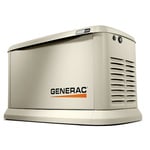
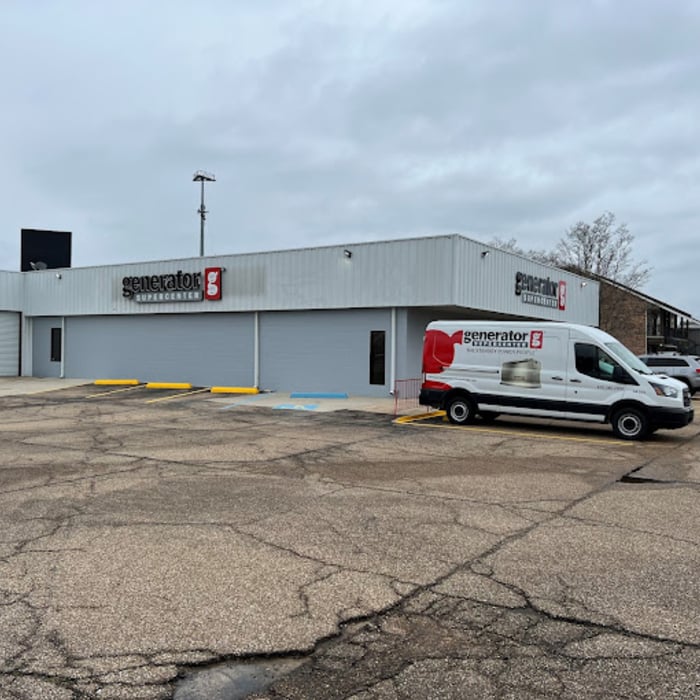
We are committed to excellence in every aspect of our business. We uphold a standard of integrity bound by fairness, honesty, and personal responsibility. Our distinction is the quality of service we bring to our customers. Above all, we are watchful of our customers' interests, and make their concerns the basis of our business. As a leader in whole house generators, our top-of-the-line Generac generators, along with our skilled technicians and electricians, effectively ensure that you’re never left in the dark. We service all of Louisiana, Alabama, Mississippi and Southern Arkansas through our network of brick and mortar stores. Please stop by the nearest one to you to speak with a generator expert.\n\nThe community of standby power consumers is conscientious about the safety and security of their families and businesses. At the same time, they appreciate the investment a whole house generator system brings to their property.
We offer over 35 years of experience the electrical industry. We take on a wide range of electrical projects to include full installation for additions and remodels as well as wiring and panel upgrades and a variety of other jobs. We're committed to providing a personalized service for each individual project we take on & look forward to building strong, long-term relationships with our clients and guarantee your satisfaction.
Family owned and operated dedicated to provide quality work with a service-oriented attitude. Moodys Specializes in all forms of electrical work. From residential troubleshooting, repair, lighting, and new service/ construction to commercial and industrial electrical work. No job to small nor to big. We can do it all. We are a growing business with hard working, dedicated and professional staff. On call 24 hours a day 7 days a week.
We are a locally owned and operated company that values honesty and integrity in all aspects of our business. Our dedicated team of professionals have over 19 years of hands on experience, to provide innovative ideas and suggestions tailored to your projects. Our services are customized to your individual needs, paying close attention to the details of each project that we are involved with. Please feel free to contact us today!
Today, we're proud to be the world's largest home improvement retailer. In 2,300 stores across North America, we aspire to excel in service to our customers, associates, communities and shareholders. That's what leadership means to us. That's The Home Depot difference.
Setting up utilities on a vacant property usually takes at least a few months, or between 6 weeks to 16 weeks. This process requires working with the local planning and zoning department, hiring a building contractor or engineer to design the utility layout, securing permits, laying the lines, and connecting the utilities.
No, you should never plug a generator directly into a wall outlet in your house. This practice is extremely dangerous, often illegal, and can cause "back-feeding," where power from the generator flows back into utility lines, creating a life-threatening hazard for utility workers. It can also damage your home's electrical system, including appliances like pumps and HVAC fans. If the main power is restored while the generator is connected, it can destroy the generator and cause an electrical fire. To safely connect a generator, you must use a professionally installed transfer switch or an interlocking kit, which prevents back-feeding by disconnecting your home from the utility grid before the generator provides power.
Whole-house generators can run continuously for extended periods, even for weeks at a time (around 400 to 500 hours), as long as they have a sufficient fuel supply. However, this type of extensive use will increase wear and tear and can shorten the generator's overall lifespan. During long periods of operation, it's important to check and refill the engine oil as needed, potentially as frequently as daily depending on the model. If your generator uses a fuel tank, ensure it is kept full to prevent unexpected shutdowns.
Natural gas generators are designed to run for extended periods of time, such as power outages during a natural disaster. Since there’s no limit to the supply of natural gas, they don’t need to stop for refills. However, generators do need maintenance, including pauses to check and add oil. Constantly running them will also cause a lot more wear and tear, leading to a shorter lifespan.
The average cost to install a home generator is $5,200, but total costs can range from $500 to $18,000 or more. The final price depends on several factors, including the generator's size, type, brand, fuel source, and the cost of labor and assembly. The generator's size is the most significant cost factor, as units that can power larger homes with higher energy demands cost more.
Cost breakdowns by generator type are typically as follows:
Portable or Emergency Backup Generators (1kW–7.5kW): $500–$2,000
To ensure you get the right size unit for your needs without overpaying, consider hiring an electrician to calculate the electrical load of your essential appliances. It is also recommended to get at least three quotes from qualified installers to find the best fit for your budget.
The Drew, MS homeowners’ guide to generator installs
From average costs to expert advice, get all the answers you need to get your job done.
Natural gas generators are whole-home standby generators that are connected to your home’s natural gas line. The average cost for a natural gas generator is $12,000.
Generators should give you peace of mind, but you’ll only get that if your installer knows what they’re doing. Learn how to hire a pro and what red flags to look for.
Thinking about a generator installation? Learn about backup power options, costs to expect, and how to hire the right local pro to keep your home running.